
Fermented dough is not the same thing as low-glycemic dough. That one distinction would have spared me a lot of grief with the crusty white sourdough boules I used to bring home from the bakery near my house, the ones I assumed were somehow gentler on my blood sugar because they had that tangy, slow-rise reputation. They weren't, and once I understood why, rebuilding my pantry around actual glycemic load instead of bakery folklore turned into the project that got me through a prediabetes diagnosis nobody in my own HR department, including me, expected to hand me during a routine wellness screening in Seattle.
The Myth I Fell For at the Bakery Case
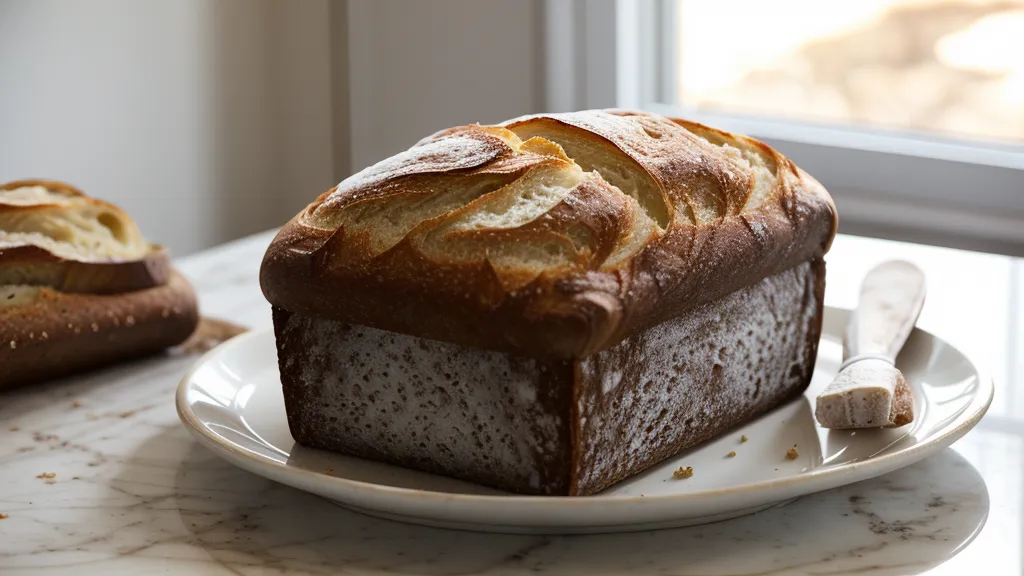
Every week, more or less, I ended up standing in front of the bakery case at the QFC on Aurora Avenue North, staring at those loaves like they'd personally wronged me. My job is corporate wellness, where I sign off on standing-desk budgets and step-challenge prizes, so failing my own department's blood test felt like getting caught cheating on an exam I was supposed to be proctoring. Denial was easier than admitting a diagnosis. For a while I kept the toast, kept the pasta, kept telling myself I'd sort it out eventually.
The nurse practitioner running my follow-up didn't lecture me about any of it. She just looked at the number on my A1C chart, paused half a beat longer than felt normal, and moved her pen to the next line without saying much else. That pause did more work than a scolding ever could have. It's the moment I actually believed the diagnosis instead of just hearing it.
Fermentation's Undeserved Credit
Sourdough's reputation comes from wild yeast and naturally occurring bacteria breaking down some of the starch and gluten during a long, slow rise. That's real, and it can change how a loaf behaves a little. But most bakery sourdough, including the boules I loved, is still made from the same refined white flour as any other soft loaf, and refined flour is refined flour regardless of what lives in the starter. The glycemic index ranks carbohydrates by how fast they raise blood sugar, and a loaf doesn't get to skip that ranking just because it fermented overnight.
There's a more complete way to measure a food's real impact called glycemic load, which factors in serving size instead of just how fast the sugar hits — I went beyond the index to understand that distinction, and it's a deeper rabbit hole than I can do justice to here. What I can tell you is that standing in the bread aisle at that same QFC, I started reading ingredient lists instead of trusting the word "sourdough" printed on the bag.
Structure Matters More Than Fermentation Ever Did
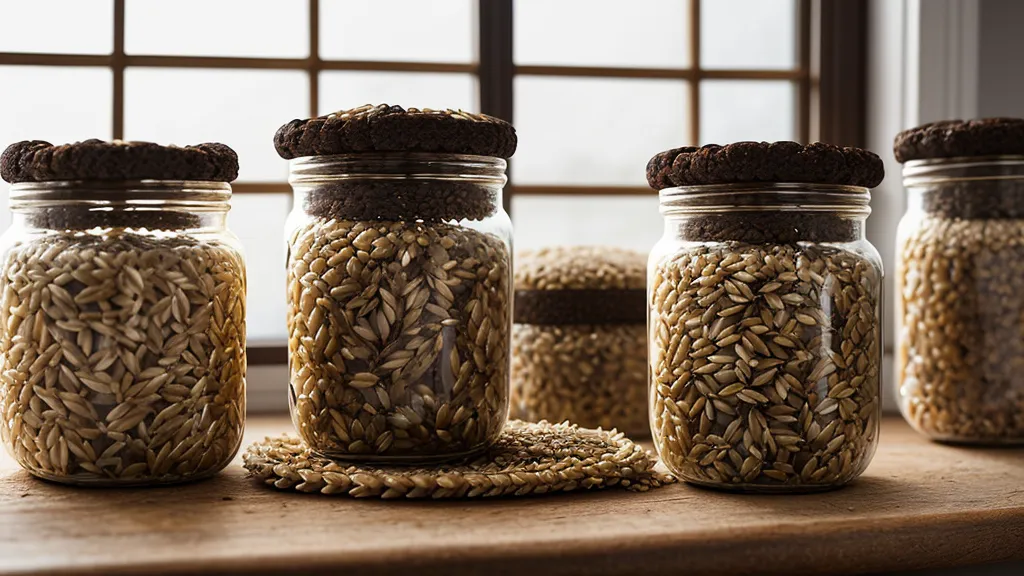
What actually predicts how a food hits me has almost nothing to do with fermentation and almost everything to do with structure, how intact the grain is, how much fiber survived milling, and what else is sitting on the plate next to it. Pairing a carb with protein or fat slows the whole process down, which is a habit I lean on constantly now. Pearled barley turned out to be the real discovery, sitting way down the glycemic scale compared to white rice, and it has enough chew that grain bowls with salmon and greens stopped feeling like a punishment. Rye flour earned a permanent spot too, and so did roasted cauliflower, left in the oven until it goes a little too far and the edges turn faintly sweet, almost like caramel, a smell that still makes the kitchen feel more like dinner than a lab.
Carb-Free Isn't the Fix Either
Cutting carbs to zero seemed like the obvious next move, so I tried it, and it made me foggy, irritable, and useless in back-to-back budget meetings. It turns out your body can lose some of its ability to handle carbohydrates efficiently if it never has to process any, which researchers call metabolic flexibility, and mine had clearly gotten rusty. That single idea, more than any grocery list, is what stopped me from treating every carbohydrate like the enemy. You can read more about the concept over on Wikipedia if you want the fuller picture.
I also tried the shortcut version of fixing breakfast for a while, swapping it out for a bottled green juice from the cooler case because it looked virtuous and took ten seconds. All that did was leave me starving and a little shaky by mid-morning, eyeing the vending machine outside my office like it owed me something. A friend of mine handles her numbers differently, doing Pilates reformer classes twice a week and swearing the movement keeps her steadier than any food swap ever could. Maybe it does, for her. My problem was never going to be solved by anything other than what was actually on my plate.
Building a Low-GI Pantry That Doesn't Feel Like Punishment
Fiber does a lot of the heavy lifting here, so ground flaxseed and chia seeds go into almost everything I cook now, without much ceremony. A splash of vinegar on a salad before a carb-heavy meal seems to take some of the edge off what follows, a habit worth its own explanation somewhere else, so I won't pretend to fully unpack the chemistry here. Cooking starches like potatoes, lentils, or pasta and then cooling them before eating changes how the body processes them too, which is why cold lentil-and-barley salads became a lunch staple, part of what I think of as the great kitchen deception, swaps that satisfy the craving without the consequence. None of this required a special store, just paying attention at the same QFC on Aurora Avenue North I'd been shopping at the whole time, reading the fiber line on the label instead of just the total carbs.
On days when the schedule falls apart, prep is the only thing that saves me, the same lesson I wrote about in my notes on staying low-GI on the I-5. A stash of raw almonds and roasted chickpeas lives in my car now, which isn't glamorous, but feeling steady through a three o'clock meeting beats a drive-thru muffin every time.
The Rule I Actually Use Now
Here's the actual rule, if you want one: I stopped asking whether something was fermented, artisan, or organic, and started asking what's structurally still intact in it, whole grain, resistant starch, fiber, protein sitting alongside it. That question tells me more about how my next two hours will feel than any label on a bakery bag ever did. I'm not a dietitian and I'm not trying to tell you what to eat; I'm a woman who found out her own metabolism was quietly breaking and had to learn a new way to shop for it. If you're standing in your own bakery aisle right now, feeling that same dumb grief over a loaf of bread, just know the fermentation halo is mostly marketing, and the structure underneath it is what actually decides how your afternoon goes.