
A packet of instant oatmeal and a bowl of steel-cut oats can sit in the same pantry for months without giving away much of a difference. My continuous glucose monitor gave the difference away in under five minutes — one sent my numbers climbing before I'd finished my coffee, the other barely nudged the line on the screen. That gap turned into the whole blueprint for prediabetes management at breakfast for me, and steel-cut oats sit right at the center of my low-GI breakfast routine instead of a box with a cheerful green leaf on the front. Turns out metabolic health starts a lot earlier in the morning than I ever gave it credit for.
Corporate wellness programs are literally what I run for a living, which made my own diagnosis feel like a professional insult. I spent the first month doing nothing about it, eating exactly the way that got me flagged during a routine screening at work. It took a second set of numbers, worse than the first, to get me to actually change what was in my bowl each morning instead of just approving other people's gym reimbursements.
How Steel-Cut Oats Differ in Glycemic Impact
Steel-cut oats are just whole oat groats chopped into a few pieces instead of steamed and rolled flat, so my body has to work harder to break them down than it does with anything pre-softened. I looked up the Glycemic Index the week I started paying attention to this, and the short version is that less processing generally means a slower ride for your blood sugar, not a faster one. Some of that comes down to the beta-glucan fiber in steel-cut oats, which blunts the glucose response in a way the fiber in a quick-cook packet doesn't. That part is really its own topic, and I won't pretend to have the last word on it here.
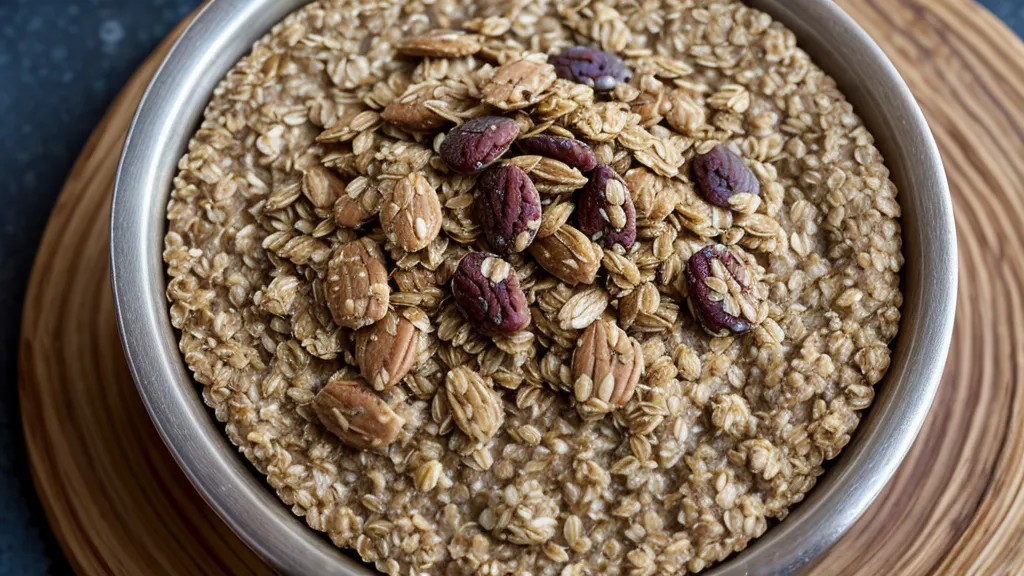
Here's the thing nobody warns you about — texture matters almost as much as the ingredient itself. Cooking oats until they're soft and creamy does some of your digestion's job for it before the spoon even reaches your mouth. I found this out the slow way, standing over a pot more mornings than I'd like to admit, watching a glucose line climb slower than it used to but still climbing more than I wanted.
The Al Dente Trick That Actually Worked
Most recipes push you toward twenty or thirty minutes of simmering until the oats turn soft and almost porridge-like. Every time I did that, my numbers still ticked up more than felt right, even if it wasn't the disaster instant oatmeal caused. So I started cutting the cook time down instead of following the box.
Leaving the oats slightly firm changed things. Chewier oats just seem to take my body longer to deal with, and my glucose line stayed close to flat instead of curving upward the way it used to. It's more of a chew than a swallow, honestly, which took some getting used to after a lifetime of soft cereal. Anyone starting this experiment might want to learn how to test your blood sugar after meals with a glucometer before assuming the al dente version will do the same thing for their body that it did for mine.
Pairing Fat and Protein Made the Bowl Work Harder
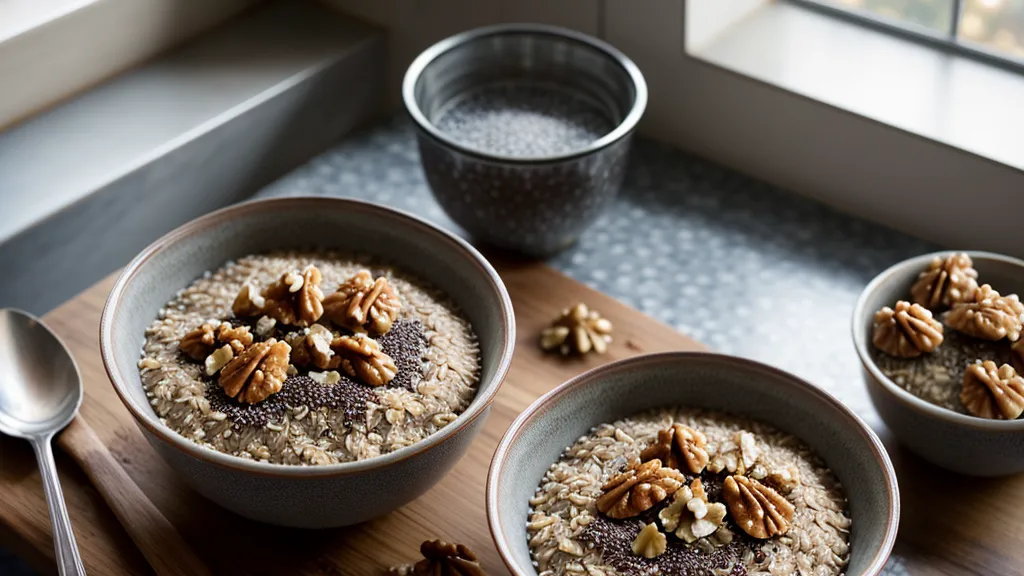
Firm oats on their own still nudged my numbers up a little, just less dramatically. Adding a heavy scoop of walnuts, a spoonful of chia seeds, and unsweetened almond butter on top slowed things down even further, and the difference between plain oats and dressed oats was bigger than I expected going in. Pairing protein and fat with carbs is its own deep subject that I've explored elsewhere, but even that simple almond butter swirl changed how my late morning felt at my desk.
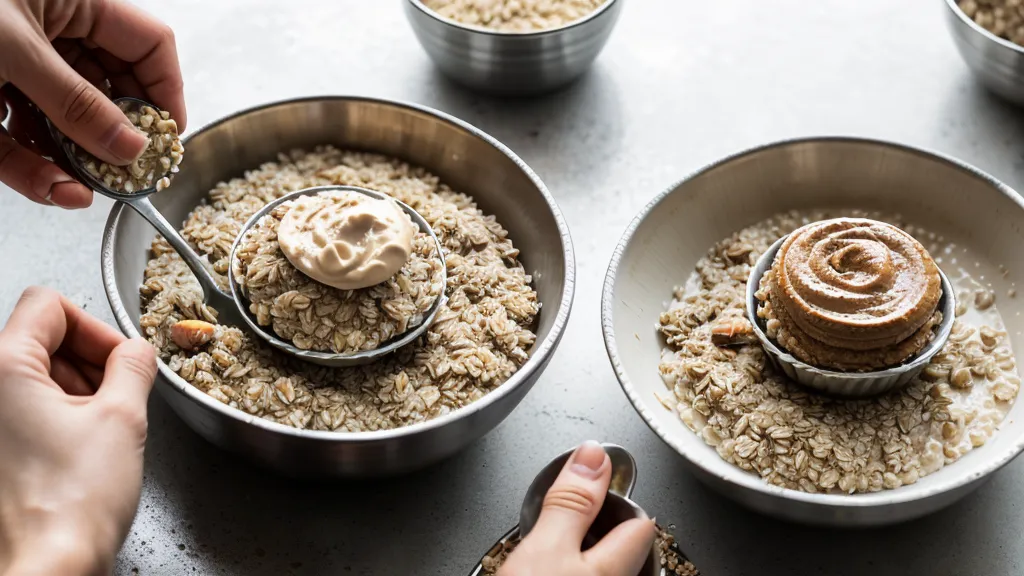
My actual weekday method skips the stovetop marathon entirely. I soak a batch of oats overnight in the fridge with a splash of lemon juice or apple cider vinegar, then bring them to a boil for five to seven minutes in the morning and keep them firm on purpose. A few people I've swapped notes with actually use apple cider vinegar to lower post-meal glucose by taking a tablespoon before eating, which is a smaller version of the same idea.
Building My Low-GI Breakfast Routine Around Real Mornings
These days, steel-cut oats come from the bulk bins at PCC Community Markets in Edmonds, which means fewer boxes with cheerful green leaves coming home with me at all. There's a specific crinkle a Trader Joe's paper bag makes when you flatten it before putting everything away, and I've started associating that sound with restocking real food instead of dread about the week ahead.
Before I landed on oats, I tried replacing breakfast with a green juice for a while and spent every morning wondering why I was starving again by 10am. Juice without fiber or protein just doesn't hold a person, no matter how virtuous it looks in a glass. A friend of mine has been doing Pilates reformer classes twice a week for months now, and watching her show up for that same routine without fail made me realize consistency mattered more for my oats than getting the recipe perfectly right.
Ten weeks or so into this new breakfast habit, an ordinary afternoon meeting ran long. The headache that usually shows up around two o'clock during back-to-back meetings had quietly stopped happening somewhere along the way, and I only noticed because I went looking for it out of habit and it wasn't there.
Other Changes I Noticed
The oatmeal project opened a door I couldn't really close again. I started calculating glycemic load instead of just glancing at glycemic index charts, because a small bowl of one carb and a heaping plate of another don't land the same way in your body. A smoothie I'd been proud of for weeks turned out to spike me just as hard as the old cereal ever did, which stung more than I expected it to. Rice got swapped out more often once I found a lower-GI stand-in I could actually live with, and reading ingredient labels became a habit — mostly hunting for sugar wearing a dozen other names I'd never learned to recognize before my diagnosis.
Some mornings my fasting number is already higher than it has any right to be before I've eaten a single bite, which taught me breakfast doesn't deserve all the blame it gets. Pasta became less of a landmine once I learned that how you cook it changes how your body treats it, not just what's printed on the box. The three o'clock wall I used to hit at my desk turned out to have its own separate explanation, apart from whatever I'd eaten that morning, and it was worth understanding on its own terms.
Eating inside a tighter window some weeks became another experiment, done just to see what it does for insulin sensitivity, and letting cooked potatoes cool in the fridge overnight before eating them cold turned into another, since the starch behaves differently once it's had time to change. A short walk after dinner moved my numbers more than I expected the first time I tried it, the same way certain fruits move them less than I'd feared once I actually paid attention to which ones I was reaching for. I've kept an eye on my A1C for months now too, not obsessively, just enough to know the number that mattered had actually started to shift.
The Honest Trade-Off of Eating This Way
White bread is still something I miss more than I'll admit to most coworkers, and there are days when reading every label at the grocery store feels like a second job nobody's paying me for. Prediabetes management is a grind some weeks, and pretending otherwise wouldn't help anyone reading this. I'm not a doctor or a dietitian, so please talk to your own healthcare provider before making big changes, but the kitchen-lab approach gave me back a sense of control I'd lost the month I spent in denial. That same stretch of experimenting is also where I wrote up the Kidney Drain Theory and my honest take on GlucoBerry after months of low-GI living, for what it's worth.
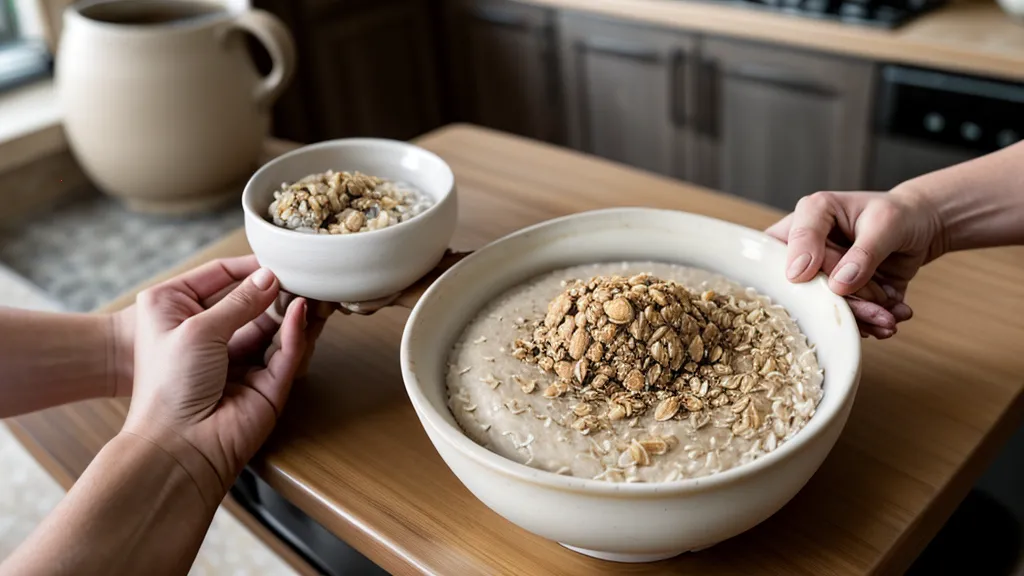
If there's one thing this whole oatmeal detour taught me, it's that the cooking method can matter as much as the ingredient itself. Five extra minutes on the stove can undo half the benefit of switching foods in the first place. That's the one swap I'd tell anyone to try before spending money on anything fancier: just cook what you already have a little less.