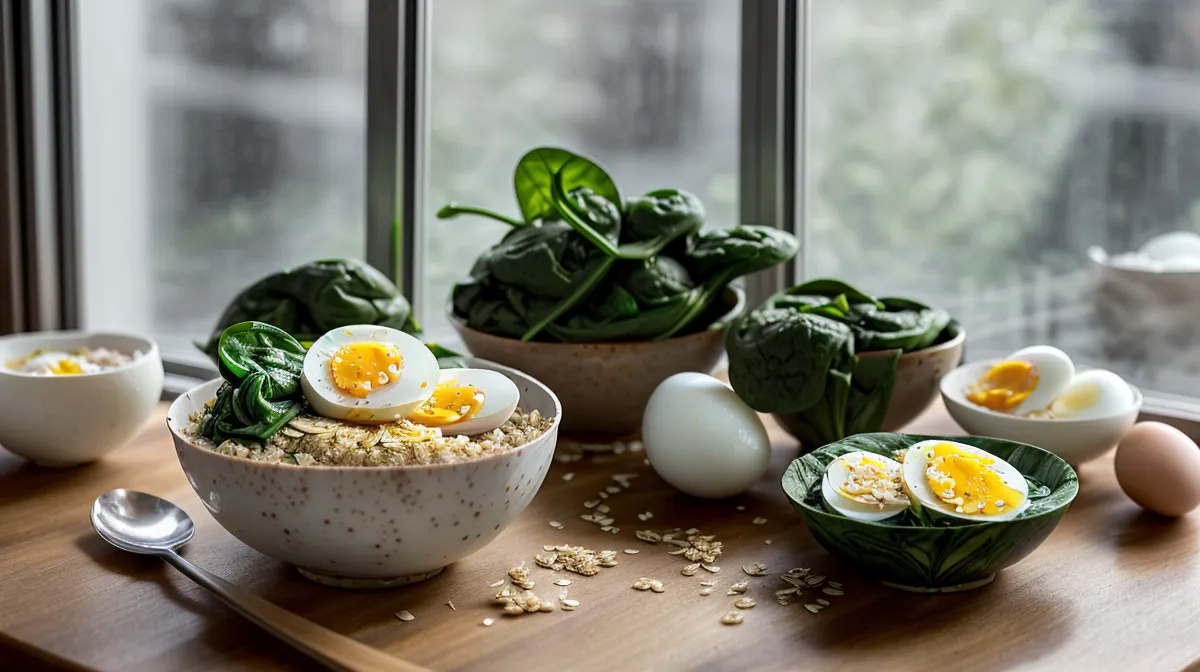
Instant oatmeal dissolves into paste before the spoon even finishes stirring. Steel-cut oats never do that, no matter how long they sit in the bowl — and that one textural difference is basically the whole argument for a low-GI breakfast. If you're managing blood sugar after a prediabetes diagnosis, the fix for a rough morning usually isn't which food group you're eating. It's how fast that food breaks down once it hits your system.
My own A1C came back inside the prediabetes range the Centers for Disease Control and Prevention sets between 5.7 and 6.4 percent, flagged during a screening I happen to run for other people every year at my HR job. That irony aside, fixing breakfast turned out to be more mechanical than emotional: change the grain, change the order you eat things in, and the whole morning behaves differently.
Why Does the Same Grain Hit Blood Sugar Two Different Ways?
The Glycemic Index ranks how fast a carbohydrate turns into blood sugar, with pure glucose sitting at 100 and everything else measured against it. Instant oats are milled and pre-cooked until the starch is already loosened apart, which is why they behave like sugar water within minutes. Steel-cut oats keep their structure, so your body has to work through them before the sugar shows up in your bloodstream. That's not a diet philosophy — it's just what a food processor does or doesn't do to a grain before it reaches your bowl.
Sharp glucose spikes right after breakfast set the tone for how hungry and shaky you feel by mid-morning, and that spike depends far more on processing than on portion size. Some mornings your fasting number runs a little high before you've even eaten — a separate morning pattern worth its own conversation rather than a footnote here. One thing that never worked for me was locking myself into a rigid three-meals-a-day, no-snacks rule; it just meant I white-knuckled it until I was raiding the vending machine every afternoon anyway. Breakfast composition mattered more than meal timing ever did.
The Fat-And-Fiber Brake System
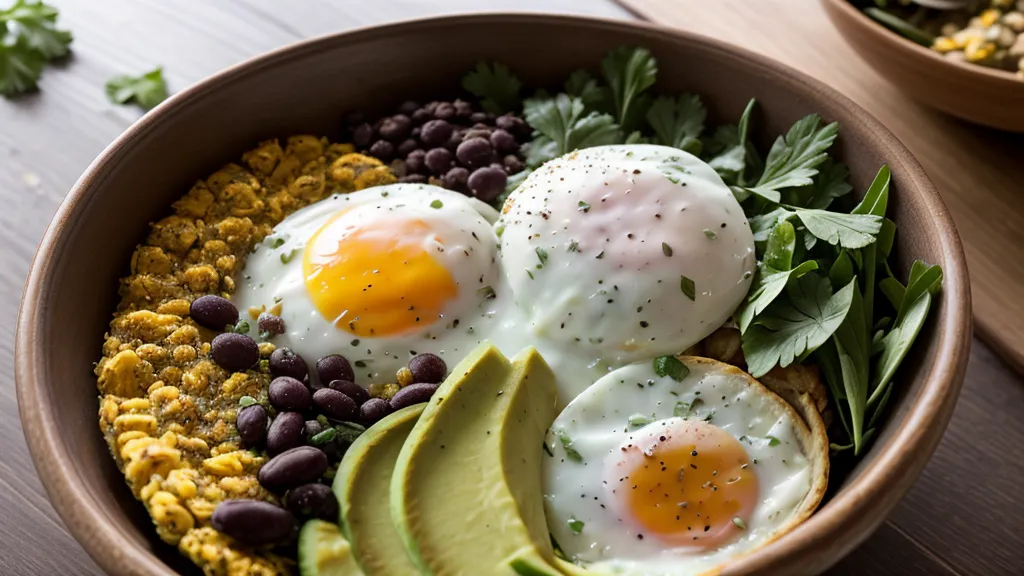
Toast alone turns into sugar fast. Add a smear of avocado and a fried egg on top, and the fat slows the whole process down enough that you don't feel the crash an hour later. Fiber works on the same principle, and protein does its own version of the same job — pairing carbs with either one is a strategy worth learning properly on its own, though the soluble-fiber side of that story really deserves its own full treatment, so I'll leave it there for now.
If you want the emotional side of that first diagnosis conversation instead of the mechanics, I wrote about it separately in the HR Manager's Guide to the Prediabetes Panic, since this piece is deliberately just about what's on the plate.
Second Meals Remember What You Ate For Breakfast
There's a real effect where a fiber-heavy breakfast — beans, barley, that kind of slow-digesting carbohydrate — improves how your body handles lunch and dinner too, not just the meal you just ate. A bowl of black beans with lime and cilantro sounds more like dinner than breakfast, but it kept my energy flatter through the whole morning than anything sweet ever did. I've written a full breakdown of how to add fiber to meals for better blood sugar stability daily if you want the mechanics of stacking fiber into a plate without it tasting like punishment.
Portion size changes everything too, which is what Glycemic Load actually measures — a small serving of something higher on the index can beat a huge bowl of something technically low-GI. That was the detail that finally let me keep a little of what I loved instead of cutting entire foods out for good.
Grains and starches that have been cooked and then cooled — rice or potatoes left overnight, say — go through a structural change that makes part of that starch resist digestion entirely, which is its own rabbit hole I won't get into here. Fruit complicates the picture in a similar way, since how your body handles the sugar in one fruit isn't the same as how it handles the sugar in another, and that comparison deserves more room than a single sentence can give it.
None of this shows up overnight on a glucose monitor, either. The number that actually tracks long-term progress is the three-month average, and that's its own conversation entirely, separate from anything you eat on a given Tuesday.
Building a Low-GI Breakfast Bowl That Doesn't Spike Anything
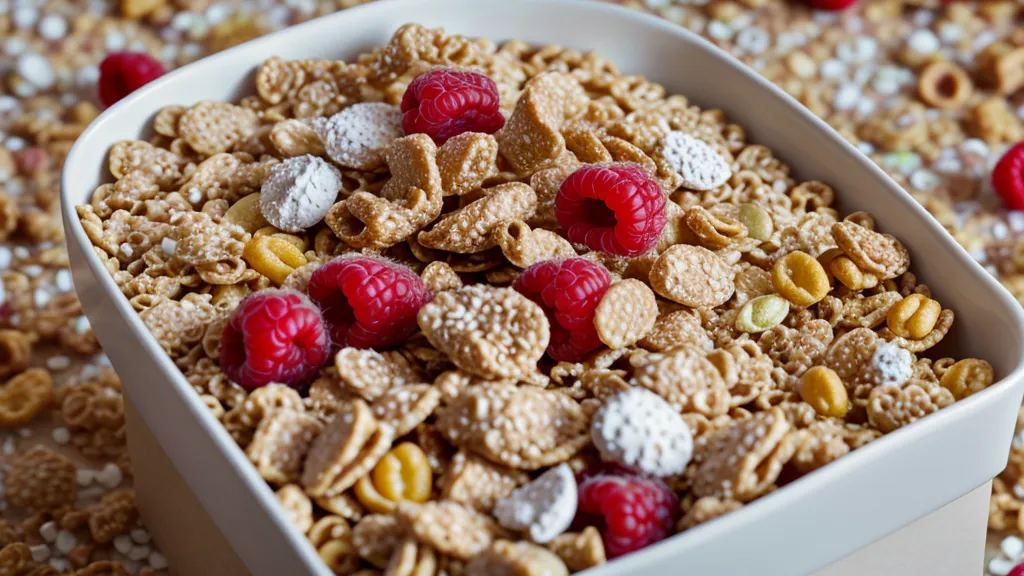
My actual rotation is smaller than any of this might suggest. Steel-cut oats topped with a soft-boiled egg, a drizzle of olive oil, and a handful of sautéed spinach is the one I make most, because it reads more like dinner than dessert and holds me until lunch without effort. Swapping jam for a natural almond or peanut butter — the kind with just nuts and salt in the ingredient list — on sprouted grain toast does the same brake-and-fiber job in a different shape, and chia pudding made with unsweetened almond milk and a few raspberries surprised me most of all, since it doesn't look like much in the jar but carries an outsized amount of fiber for something that small.
A splash of vinegar sounds like an odd breakfast ingredient, but a little acidity before a carb-heavy meal is a known trick for taking the edge off a spike, and that's a technique deserving its own full explanation rather than a mention here. Reading the ingredient list matters just as much, since plenty of "healthy" granolas and yogurts carry sugar under names that don't sound like sugar at all — a label-reading skill worth building on its own. What you do in the half hour after you put the spoon down changes the number too, though that's a separate habit worth its own explanation rather than a footnote here. None of this fixes insulin sensitivity by itself, either, since that's a longer-term metabolic project and not a breakfast trick — worth running any bigger swap past your own doctor first, since everyone's response is a little different.
The bulk bins at the Trader Joe's on Roosevelt Way NE are where I restock steel-cut oats every couple of weeks, since the boxed version by the cereal aisle costs more for less. My neighbor across the cul-de-sac, Greta, never misses her Saturday Costco run, and she left an extra bag of the same oats on my porch last month after doubling up by accident. Small stuff like that keeps a rotation like this going more than any chart pinned above my counter ever does.
Corbin, a reader who first pushed back in my comments insisting cauliflower rice could never replace the real thing, emails me a monthly update now — he finally admitted the swap helped his afternoon energy hold steadier than he expected.
The One Rule Worth Keeping
Breakfast is the easiest meal to control, since nobody else is at the table negotiating what goes on your plate. Dinner is another matter entirely, especially if you're cooking for a household that isn't managing the same numbers you are — I've written separately about the dinner table divide and what that negotiation actually looks like most nights.
A pair of jeans that used to need me flat on the bed to zip now closes standing up, no wrestling involved, and that's a better report card than any lab result. Building a breakfast where you can name the fat, the fiber, and the protein without checking a label is the baseline worth keeping before anything sweet gets added back in. Everything else here — the acid, the resistant starch, the fruit sugar, the portion math — is worth learning eventually, but the plate rule is the one that still holds up on a rushed morning with no time to think. I still miss a truly crusty piece of white bread more than I'll ever admit out loud, but a steady morning turned out to be the better trade.