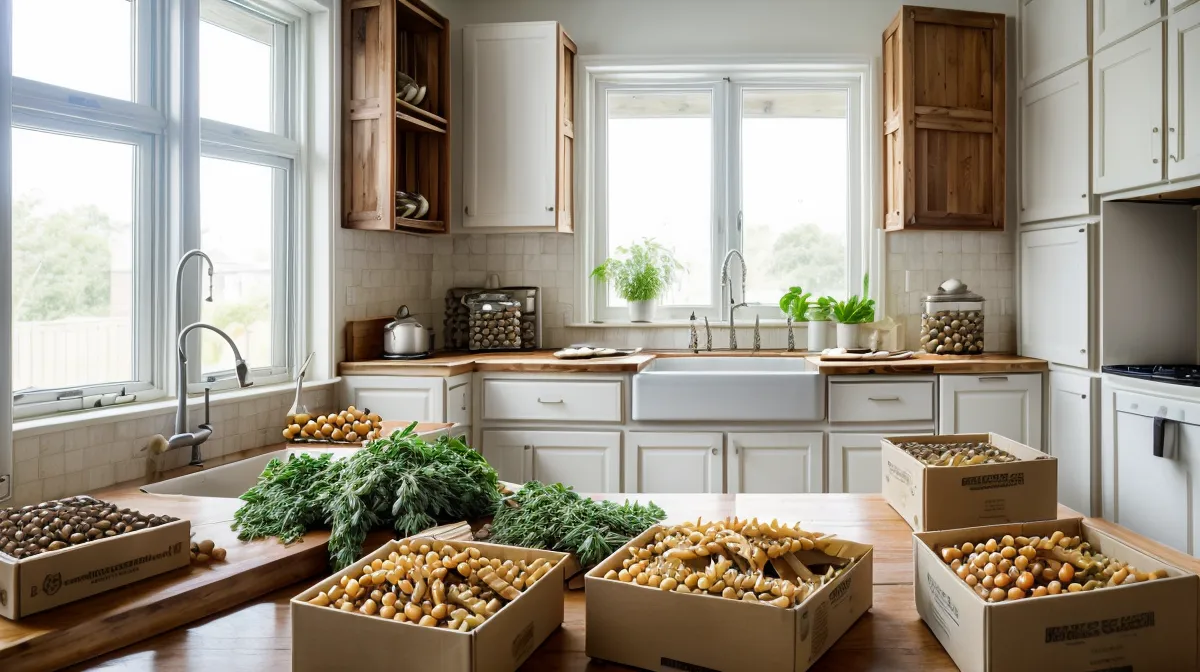
Seventy is the glycemic index score printed right on the box of whole wheat pasta I trusted for years, and it's almost as high as the plain white spaghetti I thought I was avoiding. Low-glycemic eating sounds simple until you're standing in a real grocery aisle trying to tell a genuine pasta alternative from a bag of marketing. Prediabetes management, at least the way I've had to learn it, comes down to exactly this kind of grocery-store hack: knowing which number on the box actually predicts what your blood sugar will do an hour later.
My nurse practitioner didn't say much when she pulled up my A1C results. She just paused on the number a beat longer than felt normal, and that silence told me more than the follow-up letter did. Before pasta ever became my project, I'd already tried a cinnamon-and-honey tonic every single morning for a month because a coworker in benefits swore by it — my next set of numbers didn't budge, and I felt a little ridiculous for believing it would. Pasta, it turned out, took actual homework instead of a kitchen remedy.
What Counts as Low Glycemic Pasta, Exactly?
This is the first question people ask me, usually while holding two boxes in a cart at the QFC on Aurora Avenue North and looking for someone to just tell them which one to buy. The Glycemic Index ranks how fast a food raises blood sugar compared to pure glucose, and the thresholds aren't complicated: 55 or below is low, 56 to 69 is medium, 70 and up is the range that used to define my entire pasta drawer. Whole wheat doesn't automatically clear that bar. I assumed it would, since every wellness brochure I ever signed off on at work said to choose whole grains, but for my body the spike barely differed from the white stuff. "Complex carb" turned out to be a marketing category, not a metabolic guarantee.
If you want the longer version of how confusing that first month was, I wrote about it separately in the HR manager's guide to the prediabetes panic, back when I was still convinced the brown box would save me. The short version: check the actual GI number or the ingredient list, not the color of the packaging.
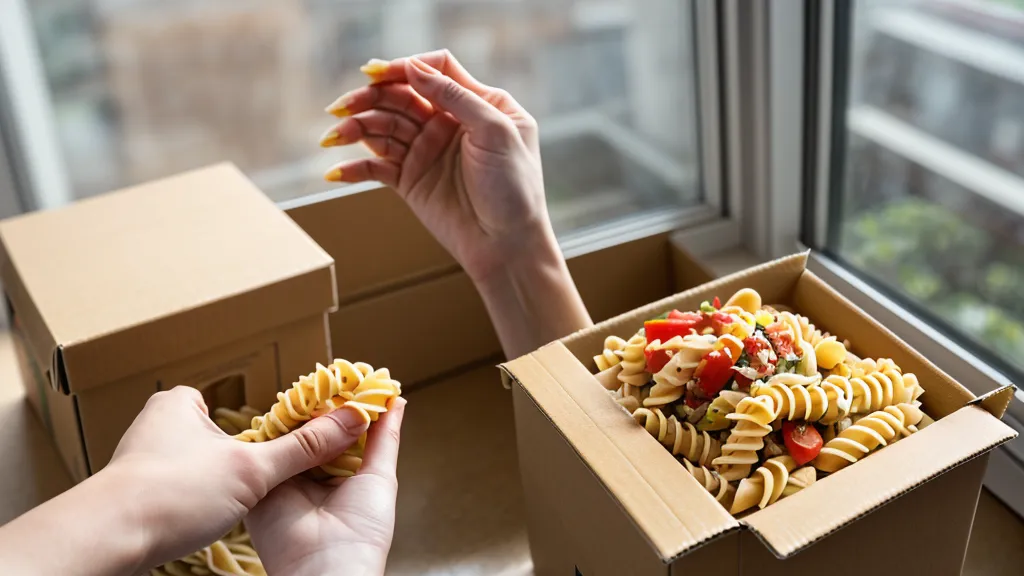
Reading Labels Like a Skeptic, Not a Shopper
Once I stopped trusting the front of the box, I started reading labels the way I read a coworker's expense report — looking for the number that doesn't match the story. Legume-based pastas made from chickpea, red lentil, black bean, or lupin bean tend to land well under that low-glycemic line of 55, mostly because they carry enough protein and soluble fiber to slow digestion down instead of letting it flood in all at once. That combination is doing the real work, not the word "ancient grain" printed in green letters on the front.
My friend Noel, who has never met a comparison he wouldn't turn into a spreadsheet, once stood next to me at a farmers market and started calculating grams of protein per serving across three different pasta brands before I'd even picked one up. He was right that the numbers mattered, even if I didn't need quite that much rigor to walk out with dinner.
Not every swap earned a place in my cart. A brown rice pasta I tried once turned into gray mush the second it hit the colander, and I ended up scraping the pot instead of eating dinner. Texture matters almost as much as the glycemic number, because a pasta you refuse to eat twice isn't actually helping anyone's numbers.
Why Cooking Time Changes the Glycemic Score
Here's the part almost nobody explains at the grocery store, and it has nothing to do with which box you pick. Starch inside dry pasta is packed into tight granules, and when you drop it into boiling water those granules absorb liquid and swell — a process called gelatinization. The more that structure breaks down, the easier it is for your digestive system to get at the starch and turn it into glucose quickly. Boil pasta until it's soft and falling apart, and you've essentially done some of the digestive work for your body before it ever reaches your mouth.
Stop cooking while the pasta still has bite — genuinely al dente, not just menu-description al dente — and you leave more of that starch structure intact. In my kitchen that meant setting the timer two minutes under whatever the box suggested, since some lentil pastas go from firm to disintegrated shockingly fast. It's a small adjustment, roughly a five-to-ten-point difference on the glycemic scale by the numbers I've seen, but it costs nothing and takes no special ingredient.
Does Chilling Leftover Pasta Actually Help?
It helps a little, and it's worth knowing even though it isn't the main event: letting cooked pasta cool completely changes some of the starch into what's called Resistant Starch, which resists digestion the same way undercooking does. I toss lupin-bean rotini with olive oil and vinegar and eat it cold or reheated through the week, and it's one of the few compromises that works on the nights I'm cooking around the dinner table divide with a partner who's still happily eating regular spaghetti.
Is This Actually Sustainable, or Just Another Diet Phase?
Amara, someone I met at a nutrition talk at the Kirkland library, asked me this almost word for word the first time we compared notes in the parking lot afterward, and it's a better question than "which brand is best." My answer: pick a small handful of low-glycemic pastas you genuinely like the taste and texture of, not just the ones that scored best on paper, and rotate them the way you'd rotate any other kitchen staple. A pasta swap you give up on after one disappointing bowl does nothing for your next A1C result. One you keep buying does.
That's the real test at the grocery store, more than any single number on a box. Glycemic load, fiber content, protein — they all matter, but none of it works if the box sits untouched in the pantry because your household won't eat it twice.
Building a Grocery List That Won't Spike Your Numbers
So here's what I actually do at the store now. I skip the pasta aisle's front labels entirely and go straight to the ingredient list, looking for legumes first and wheat flour second or not at all. I check whether the fiber number sits close to the carb number, since that ratio tends to track with how gentle a pasta is on my blood sugar. And I buy small — one new box at a time — before committing a whole grocery run to a pasta my household might not finish.
None of this made white spaghetti hurt any less. I still think about a plain buttered bowl of it more than I'll ever admit out loud. But my numbers stopped climbing once I started treating the pasta aisle like something worth studying instead of something to grab on autopilot, and that trade has been worth it more nights than not.