There are exactly four egg dishes I used to make from memory, and I have not touched a single one of them in months. Poached, scrambled, over medium, folded into a frittata for Sunday meal prep. Gone, all of it, the week I decided eggs and I needed some distance. Three years into managing prediabetes and daily glucose through a Glycemic Index approach to eating, ditching eggs for a low-glycemic, egg-free breakfast turned out to be harder than giving up white bread, harder than learning to read a cereal box like it owes me money.
The diagnosis came out of a routine screening at work, which is its own special kind of humiliating when part of your job is running the company's wellness program. I spent the first stretch after that in denial, eating exactly the way I always had, and then panicked when the follow-up numbers moved the wrong direction and glucose management turned into an unpaid second job. Eggs became my safety net during the scramble that followed — cheap, fast, technically low-glycemic, endlessly repeatable. Then one morning I just couldn't face another one, and the whole project of finding a low-glycemic breakfast had to start over from zero.
Why Eggs Stopped Working For My Mornings
Egg fatigue finally won one morning, and I wanted a bagel so badly I nearly cried about it. Before that particular low point, I'd already tried the wrong fix for the whole prediabetes mess — swapping every sugary drink for diet soda and dumping artificial sweetener into my coffee, my oatmeal, anything that would hold still long enough. My next lab results didn't care about the effort. The numbers barely moved, and it felt like doing the homework and failing the test anyway.
A friend of mine does CrossFit at a box gym three mornings a week, and eggs are basically her religion — she needs the protein for recovery and doesn't think twice about it. I used to lean on that same logic, treating eggs as the only real protein option for the first meal of the day. Losing them meant I had to find something else that could anchor a plate the same way, without turning breakfast into a science project every single morning.
Reading Labels Without Losing My Mind
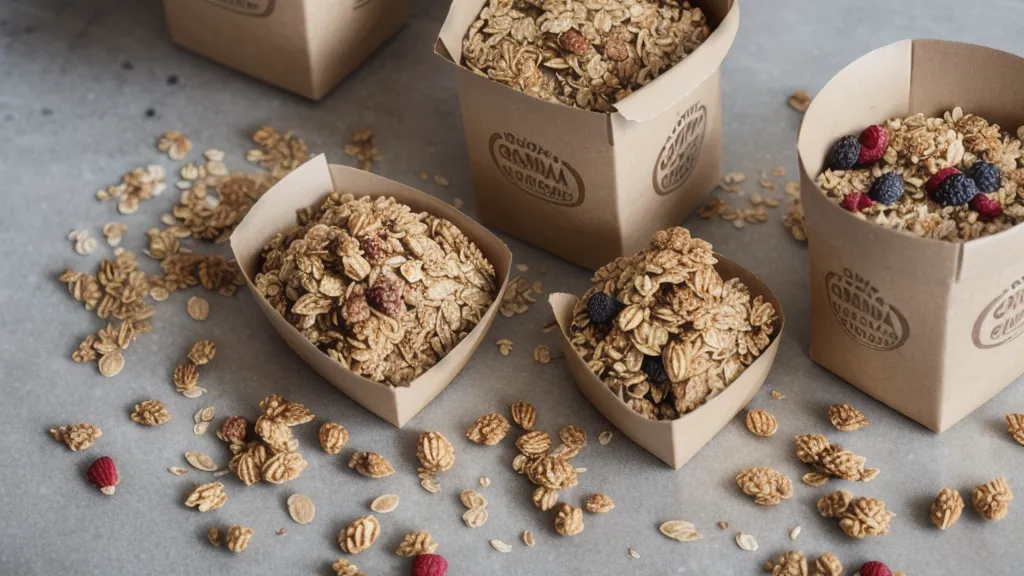
Cereal became my next attempted shortcut. Boxes with a sunset on the front and words like 'multigrain' and 'heart-healthy' printed everywhere convinced me I was safe, and I was wrong in a big way — one bowl of a granola that tasted faintly of wet cardboard still sent me into a mid-morning dip I couldn't blame on anything but myself. Sugar shows up in places a box doesn't advertise plainly, tucked into flavor blends and dried-fruit pieces that read healthy and act like dessert. Portion size matters too, which is really what Glycemic Load measures — a concept I still lean on more than I explain, mostly because doing the actual math is its own rabbit hole.
Numbers helped ground me here. The standard cutoff for a low-glycemic food sits at 55 or under on a 100-point scale, and a slice of ordinary white bread lands around 75 — which explains a lot about why toast never kept me steady. I taped a Glycemic Index of Common Foods: Reference Chart up where I'd see it every day, treating it less like a rulebook and more like a cheat sheet for a test I was determined to stop failing.
What My Body Does With 'Healthy' Grains
Oatmeal gets a pass in most nutrition advice, and steel-cut oats do sit at a GI of 53, technically low. Mornings are just a rough window for my metabolism no matter the grain, something people in the low-GI world call the dawn phenomenon, and a bowl of oats by itself still left me foggy before ten. I eventually chalked part of that up to insulin sensitivity running lowest for me at that exact hour, a piece of the puzzle I've only skimmed rather than mastered.
Pasta taught me something similar later on, since how starch is cooked and cooled changes its behavior more than people expect — that's a whole topic of its own I won't pretend to have solved here. Rice and grains do something related when you cool them after cooking, turning part of the starch into a form your body absorbs more slowly, which is why leftover quinoa from the fridge has always treated me better than a fresh batch. I don't fully understand the chemistry. I just know my glucose meter agrees with the leftovers.
Building an Egg-Free, Low-GI Breakfast
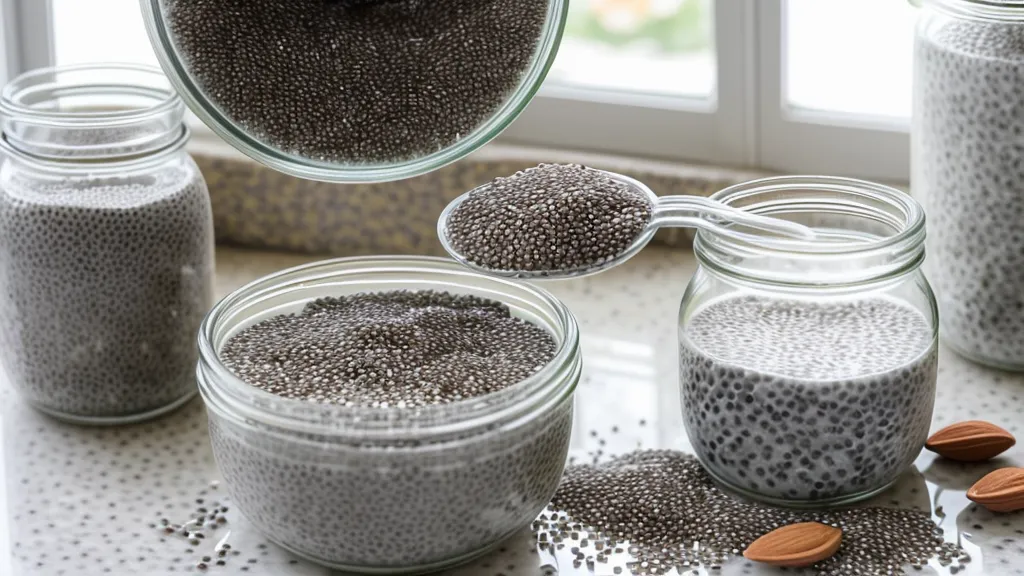
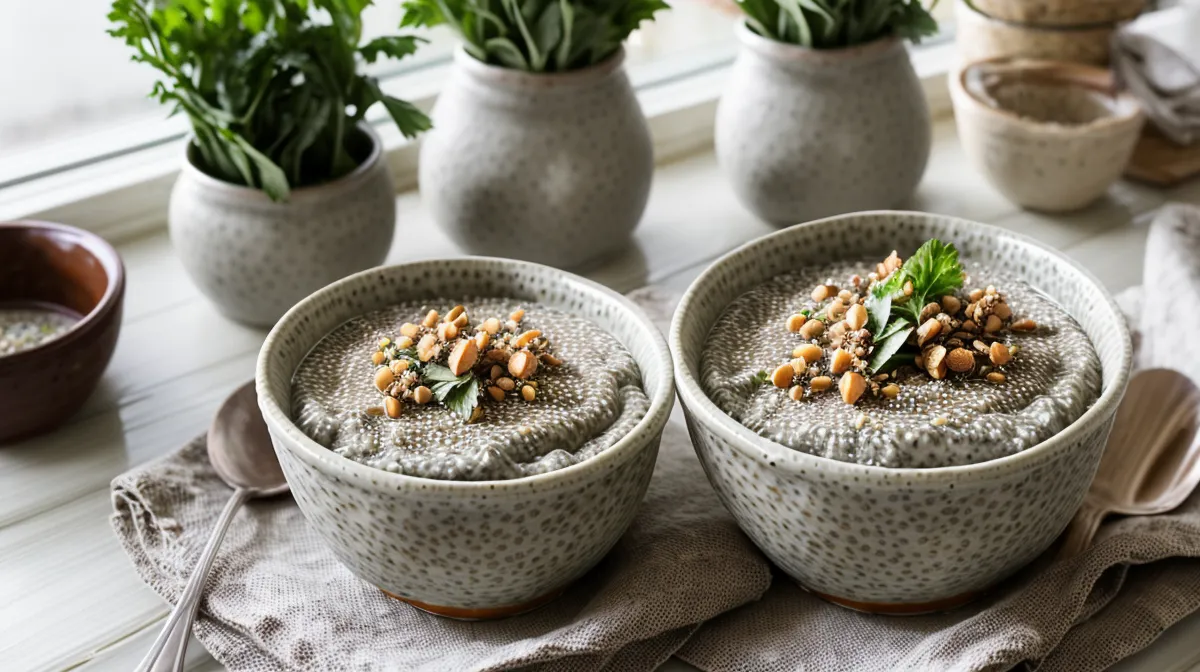
Chia pudding became my actual answer, not a cereal-box substitute. Two tablespoons soaked overnight in unsweetened almond milk work out to roughly 10 grams of fiber, which is most of what slows the whole meal down — I've dug into that idea more in a separate piece on how to add fiber to meals for better blood sugar stability, so I'll leave the mechanics there. I season mine savory — sea salt, smoked paprika, a good drizzle of olive oil — and finish with a splash of apple cider vinegar, since something acidic added to a meal seems to blunt the glucose response of whatever carbs are sitting next to it. It sounds like a strange breakfast. It works better than eggs ever did on a bad morning.
Roasted cauliflower turned into another staple once I stopped thinking of it as a rice substitute and started treating it as its own thing — the edges go past golden into something closer to caramel, and that smell alone gets me out of bed some mornings. I still swap it for rice in a pinch when I want volume without the glucose hit, though it works better as a side than a full breakfast on its own. Smoothies never earned a permanent spot at my table, mostly because a blended fruit-and-yogurt drink that looks perfectly virtuous can spike me harder than the granola ever did, and I choose whole fruit instead now, leaning toward the ones that lean less sweet and more fibrous. Protein is still the piece I have to solve manually every morning without eggs in the mix, and I've written more directly about how to stop sugar cravings with protein for anyone working through that same gap.
Five Weeks In: What Changed For My Glucose
Five weeks into eating this way, I ran four HR meetings back to back on a Friday and reached the end of the day without the usual afternoon drop-off — no shakiness, no staring blankly at a slide while someone waited for my answer. That particular kind of afternoon dip has a name I only learned later, reactive hypoglycemia, and I didn't need the term to notice the difference that Friday.
Walking helped too, though not the way I expected. A short loop through Discovery Park after breakfast, even just twenty minutes, seemed to do more for how I felt by midday than anything I changed on the plate — muscles pulling glucose out of the bloodstream simply by moving, from what I've read, though I'll let someone else write the full explanation. My A1C numbers have moved in the right direction since, slowly, and I've stopped expecting a single number to tell the whole story of how a morning felt.
The One Thing I'd Tell a Friend Starting This
If you're standing in your own kitchen staring at eggs like they betrayed you, here's what I'd actually tell you: the specific food matters less than the combination. Protein, fiber, and a little fat together — in whatever form you can stand to eat repeatedly — will do more for a steady morning than any single 'superfood' ever will, egg or otherwise. I still miss white bread more than I'll ever admit out loud, and no chia pudding on earth replaces a real sourdough boule fresh from the oven. But I don't miss the fog, and I don't miss dreading my next lab result, and that trade has turned out to be worth more than toast.
None of this makes me a nutritionist, and I'd never tell you what to eat for breakfast tomorrow. I just know what finally got me out of the egg rut, and if even one swap here saves you from another sad bowl of cardboard granola, that's a win worth sharing.