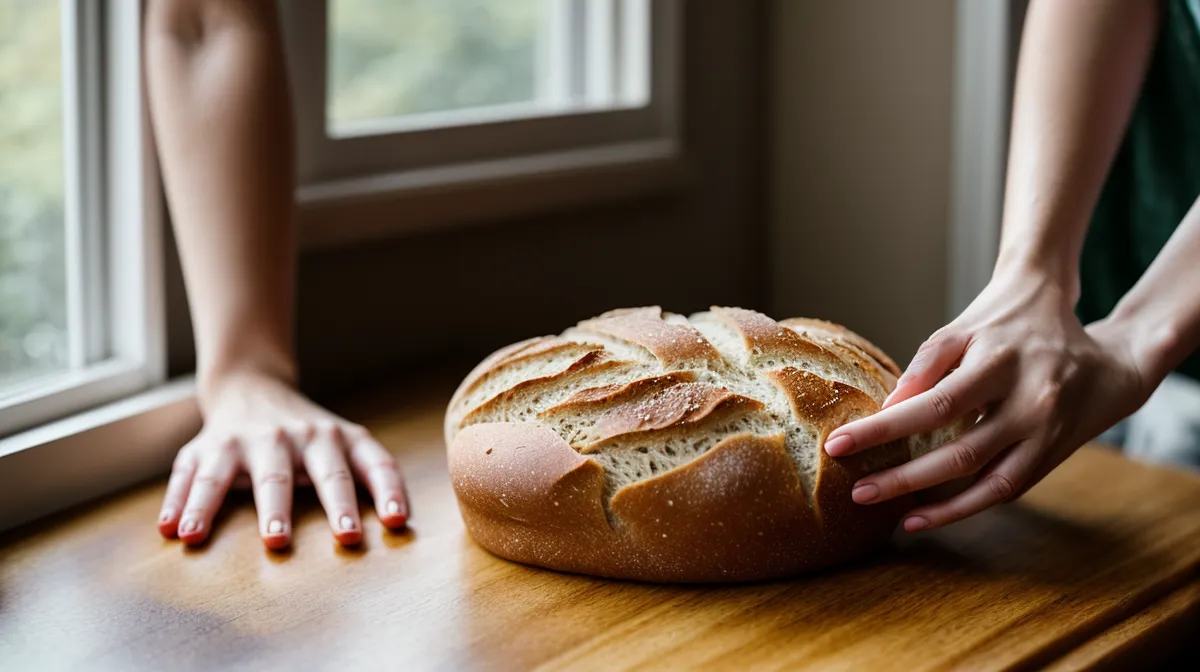
A crusty sourdough loaf smells exactly the same whether or not your A1C has slipped into the prediabetes range. I found that out in a rainy Seattle parking lot, the paper bag on the passenger seat, too nervous to carry it inside. Forty-four years of treating bread as comfort, and suddenly it looked like a ticking time bomb. This is a low-GI diet story, a Seattle wellness story, and a prediabetes lifestyle story about grieving a dinner roll — plus how one idea, glycemic load, kept me from writing off bread for good.
Look, the irony is thick enough to spread on a cracker. I'm an HR manager. I spend my days lining up corporate wellness webinars, hiring health coaches for staff, and approving budget lines for "Healthy Heart" programs. Meanwhile, I'd spent weeks ignoring my own A1C results while organizing a step challenge for five hundred employees. I failed my own wellness screening. The follow-up numbers came back worse, because I'd used the first month to eat exactly the same way and hope the lab had swapped my blood with someone else's. They hadn't.
A Wellness Manager Who Failed Her Own Screening
Picture me on a Zoom call about work-life balance, nodding along, while my brain replayed the white rice from dinner and the way my vision went slightly blurry afterward. Fraud was the word in my head. I had built the wellness program, and I wasn't following a page of it.
That heavy-lidded, foggy fatigue after a sandwich wasn't "getting older," whatever I told myself. My body kept sending the same message, and I kept answering with more sourdough. The standard American diet — even the fancy co-op version — was doing me no favors.
My first fix was the loudest one: keto. Three weeks of it. By day ten I was miserable — cranky, foggy in a brand-new way, and daydreaming about toast during budget meetings. I finished the three weeks on stubbornness alone. Lesson filed: a plan I can't live with is a plan I won't keep.
I'm not a doctor, and I have zero medical training. I'm just a woman who got tired of feeling like a zombie by mid-afternoon. I talked to my own doctor — and actually listened this time — because every body handles carbs differently. If you're in the same boat, please check with a professional before you overhaul anything.
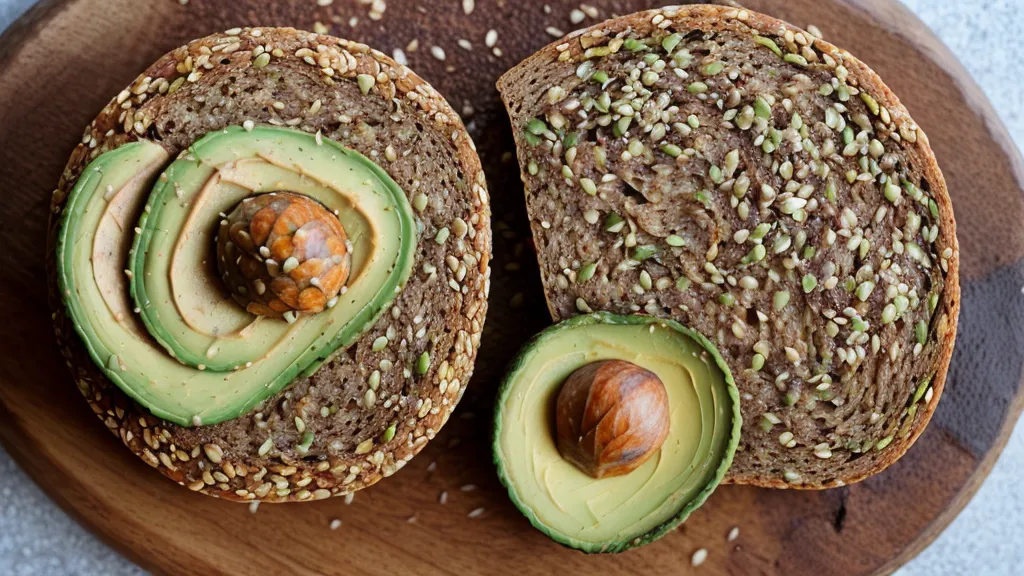
Can a Low-GI Diet Still Include Bread?
It took most of a winter to answer that. In January I started reading about the Glycemic Index (GI), a 0-to-100 ranking of how fast carbs raise blood glucose, with pure glucose sitting at 100. My working target became foods at 55 or lower. The corkboard over my kitchen counter filled up with printed GI charts and sticky notes, and the birch in the backyard watched me squint at labels through the window above the sink.
Dry goods got their own labeled Mason jars on the open shelf. The heavy knock of black beans sliding to the bottom of the glass turned into the sound of starting over. Then came the weighing. The label on my usual bread listed a serving of 28 grams — one thin slice — and I'd been eating about three times that without a thought.
I tried sprouted-grain loaves, stone-ground loaves, whatever the bread shelf at Whole Foods offered. Some tasted like compressed cardboard. One dry rye sent me to the counter with wet eyes, missing the pillowy give of a white dinner roll more than I will ever admit to my coworkers. Grief over a roll. I know how that sounds.
Glycemic load was what gave bread back to me, because it counts the size of the portion along with the speed. That's how I started reclaiming bread without spiking my blood sugar, using small servings of denser sprouted loaves.
Eat the Salad First
By spring I'd tried a piece of advice that felt too simple to work: change the order. Fiber-rich veggies and protein go first, bread comes last. Instead of a sandwich where everything lands at once, I'd have a small side salad and some chicken, then the bread.
For me, the difference showed up fast. No heavy eyelids. No nap at my desk. It felt like a loophole, so I started sharing it quietly at work — and eventually wrote a corporate potluck survival guide for people who want to join office culture without ending up in a carb coma before the afternoon meeting. Your mileage may vary, and your doctor gets a vote.
Greta, my neighbor across the cul-de-sac, made the habit easy to keep. She grows an enormous vegetable garden and leaves the overflow on my porch without any warning — whatever the garden overproduced that week. Salad first is a lot simpler when the salad shows up at your door.
Then there was retrogradation — the cool-then-reheat trick for starches like pasta and potatoes — which is the idea behind my new morning ritual: sprouted bread goes in the freezer first, then the toaster. Leftovers stopped being merely convenient and became a small tactical choice.
A Prediabetes Lifestyle Needs Room for Grief
Corbin Weathersby emails me a progress update every month, and he has a talent for pushing back. When I told him I'd made peace with denser bread, he asked whether "peace" was just a polite word for giving up. Fair question. My answer: giving up is what keto felt like. Peace is a plan that fits the rest of my life, including the part of me that still wants a baguette.
Here is the thing about the change: it arrived quietly. Around week twelve, I was walking the loop at Lincoln Park in West Seattle before work, and my head was clear. No fog behind my eyes. No heaviness in my legs. Nothing to push through on an ordinary midweek morning — which is exactly why it stuck with me.
Finding Peace in the Sprouted Crumb
One rainy afternoon last month, I was back in that same grocery store. The yeasty smell of the bakery counter hit me like a wall — fresh white baguettes, my old siren song. The familiar pang of deprivation didn't come. I just kept walking toward the sprouted-bread shelf, and I wasn't afraid anymore.
I will always have a soft spot for a pillowy white roll. I miss it, and I'm saying so in public now. But a clear head is worth the trade for a denser crumb. Some days I still get it wrong — I'm an HR manager in a world made of corn syrup and refined flour, not a saint. What changed is that I'm no longer the woman ignoring her own blood test results.
Rebuilding my food life hasn't been about restriction. It's been about understanding: a 28-gram slice of bread doesn't have to be a disaster if it's the right kind and it's eaten at the right time. If you're standing in that rainy parking lot right now, overwhelmed, start small. Weigh one slice. Put the salad first. Let yourself grieve the roll. The lab is always open, and it gets easier once you look at the numbers — and the sequence — instead of just the bread.