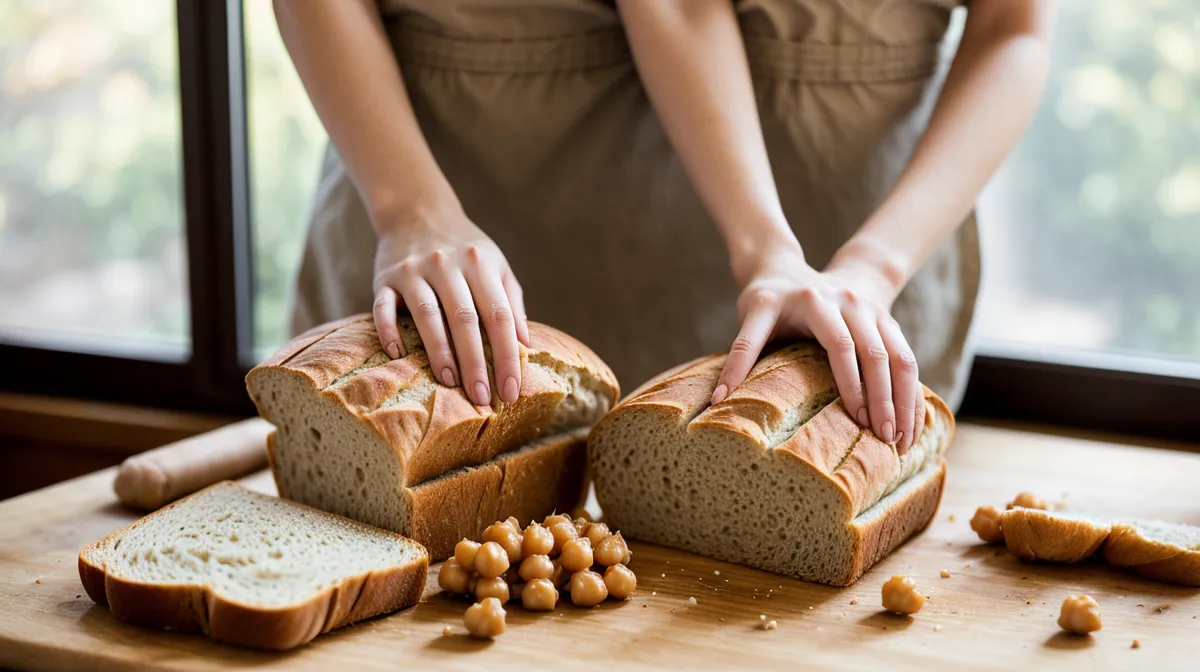
A fresh baguette and a cooled, twice-toasted slice of sourdough look like the same food sitting on a cutting board, but only one of them leaves my glucose meter alone. That's the short answer to the question I get asked most since I turned my kitchen into a low-GI test lab: bread isn't automatically the enemy of blood sugar stability; the version I used to reach for without thinking was. Getting from one to the other took a lot of trial, a lot of error, and more time standing in front of my open refrigerator than I ever pictured for someone managing prediabetes with groceries instead of a pharmacy.
Readers ask me some version of the bread question almost every week, usually right after a grocery run gone sideways or a family dinner where they caved and regretted it by evening. So here's how I actually answer, question by question, the way I'd explain it to a coworker who just got the same diagnosis I did.
Wait, Doesn't Cutting Sugar Alone Fix This?
People assume the fix is simple: cut the obvious sugar and the problem goes away. I tried exactly that at first: no more cookies, no soda, nothing with sugar anywhere near the top of an ingredient list. I kept the white bread, the pasta, the rice, because none of that registered as "sugar" to me. My numbers barely moved. Refined starch breaks down into glucose almost as fast as the candy dish I'd already sworn off, and no amount of pride about turning down the office doughnuts changes that math.
Sugars that slip past you under a dozen other label names are a real thing worth learning, but that's its own rabbit hole and not the piece that wrecked my numbers back then. Bread, pasta, and rice were doing plenty of damage all on their own. I wrote about the longer version of that denial period, and what finally snapped me out of it, in my post about why I stopped hiding my prediabetes and started my lab, if you want the messier details.
Reading Bread Labels at PCC Community Markets Without Losing My Mind
Standing in the bread aisle at PCC Community Markets in Edmonds, I used to just flip a loaf over and stare at the ingredient list like it was written in another language. What actually matters is something closer to glycemic load than a single GI number — how much carbohydrate is actually in the slice you'll eat, not just how fast that carbohydrate hits your blood in theory. That's a deeper topic than I'll get into here, but it's why two breads that look nearly identical on a shelf can behave completely differently once you eat them.
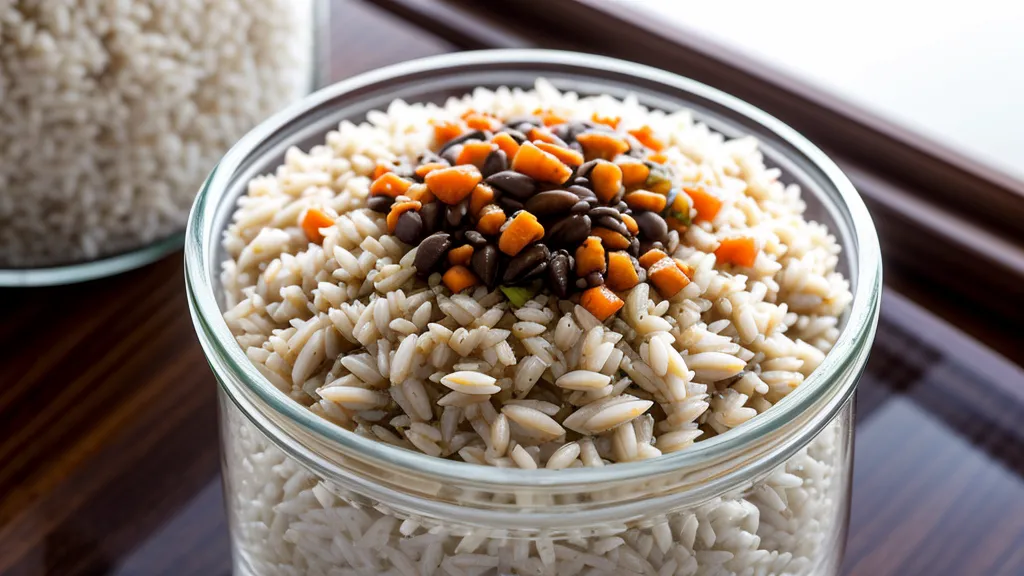
Swapping one starch for a lower-GI stand-in, such as cauliflower rice instead of white rice, works the same way bread swaps do, and I lean on that principle constantly even outside baking. Almond flour behaves nothing like wheat flour once heat hits it; it toasts in a fraction of the time, which I learned by watching a batch go from fragrant to bitter in under two minutes on the stovetop. Now I pull it early and let carryover heat finish the job, which sounds like a small fix but saved me from tossing another loaf, and it's part of why the open shelf by my stove holds jars of dried lentils and steel-cut oats now instead of cereal boxes.
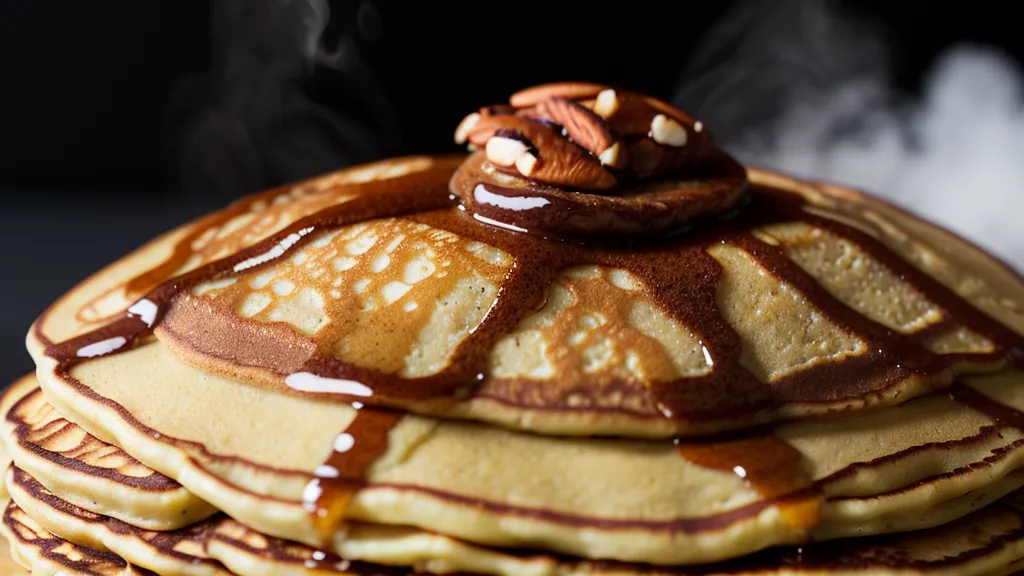
Does Toasting or Cooling Bread Actually Change Anything?
Yes, and there's real chemistry behind it: cooling a starch and reheating it changes how your body processes it, which is a fascinating rabbit hole I'll point you toward rather than explain in full here. What I will say is that toasting a slice that's been in the fridge overnight behaves differently on my glucose meter than toasting one straight from the bag, and that difference alone changed how I think about leftover bread. There's also a related idea about how one meal can change your body's response to the next one, sometimes called a second-meal effect, which is worth knowing exists even if I'm not the right post to walk you through the mechanics.
How the starch was cooked in the first place, specifically the gelatinization process that happens when flour meets heat and water, also shapes the outcome, and that's a whole separate can of worms I'll leave for the post that's actually built to answer it. For my own kitchen, cooling and reheating turned out to be one of a handful of small, repeatable tricks that made a real difference without asking me to give up bread completely. I wrote up the specific tools that made this manageable (the ones I actually still use) in three tools that actually tamed my spikes, if you're at the stage where you want something concrete to try.
What I Eat Alongside Bread Matters as Much as the Bread
Eating protein and fiber before I touch a carb is a habit that took longer to build than any recipe swap. It puts something in my stomach that slows down how fast the bread's glucose hits my bloodstream, and pairing protein with a carb is a documented enough idea that I don't feel like I'm improvising anymore when I do it. Soluble fiber does something similar in a different way (thickening things in your gut, in simple terms) and it's a big enough topic that it deserves its own explanation rather than a paragraph tacked onto a bread post.
A splash of vinegar before a carb-heavy meal is another trick I use regularly, something about the acid in it blunting the glucose response, though I'll let the post dedicated to that mechanism do the explaining. Walking after I eat (even just to take out the recycling or make a phone call standing up) pulls glucose out of my bloodstream through my muscles working, and it's honestly done more for my numbers than any single food swap has. Bread with a walk afterward behaves completely differently than bread eaten and followed by sitting at my desk for two more hours.
What About Store-Bought "Diabetic-Friendly" Bread?
Honestly, some of them are fine and some of them are marketing dressed up as health food, and the only way to tell the difference is checking the label yourself rather than trusting the packaging. Mornings are their own separate puzzle: some people's blood sugar runs high first thing no matter what they eat, something tied to hormones released overnight rather than breakfast choices, which is a whole topic of its own I'd rather point you to than gloss over here. What I track instead of chasing a single perfect number is the pattern over weeks and months, the kind of average a doctor actually looks at rather than any one morning's reading.
A reader named Lynda Ostrowski emailed me after finding one of my earlier posts on how to actually calculate this stuff, and she's become someone I trade notes with regularly. She's the type who compares her Trader Joe's and Safeway receipts side by side before deciding where to actually buy her bread, which is more rigorous than I've ever managed to be. Supplements marketed for blood sugar come up in questions like hers too, and I'll say only this much: evaluating what's actually in one of those bottles is its own careful process, not something I'm going to wave my hand at inside a post about toast.
The 2 PM Test That Tells Me My Blood Sugar Is Stable
Here's the test I trust now more than any lab number: I eat lunch with bread in it, then I pay attention to what 2 PM feels like. One particular afternoon sticks with me: I'd had a sandwich on toasted, cooled sourdough, and I sat down at my desk bracing for the headache that always used to creep in right around then, the one I used to blame on the fluorescent lights. It never came. No dull ache behind my eyes, no reaching for the ibuprofen in my desk drawer, just an ordinary afternoon, which had not been ordinary in a long time.
Afternoons like that are, from what I understand, part of what people mean by insulin sensitivity improving (how well your body actually clears glucose once it's in your bloodstream) though that's a bigger topic than one lunch can cover. The shaky, urgent hunger I used to get two hours after a "healthy" granola bar has a name too, something closer to reactive hypoglycemia than a willpower problem, and just knowing that took the shame out of it even before anything else changed. My coworker Fatima Idrissi, who sits two desks over, still brings homemade harira to every office potluck, and watching her show up with something that actually tastes like where it came from reminded me that reclaiming bread didn't have to mean eating sad, flavorless food for the rest of my life; it just meant being pickier about which bread and what came with it. If you're staring down a table of breakroom bagels and feeling that same dread I used to, I put together a corporate potluck survival guide that walks through exactly how I handle it now.
Quick Answers to the Other Things People Ask Me
Someone always asks if a smoothie is a safer substitute when they're craving something sweet alongside breakfast bread, and honestly, not necessarily. A blended fruit smoothie spiked my glucose just as hard as toast with jam did the first time I checked, which caught me off guard. Whole fruit behaves differently than anything juiced or blended, because of how your body handles the sugar once fiber's been stripped out of it, and that's its own deep dive rather than a line I can do justice to here. Wine with dinner bread is a separate question again. Alcohol changes your glucose response in ways that aren't consistent meal to meal, and there's a whole post built around figuring that out rather than guessing at it in passing.
None of this makes bread a free food, and I'm not pretending I've cracked some code that lets me eat it without a second thought. I still miss the pillowy give of a fresh baguette more than I'll usually admit out loud, and some weeks the lab experiments still fail. A loaf comes out dense, or a reading comes back higher than expected for no reason I can pin down. What changed is that bread stopped being all-or-nothing. Talk to your own doctor before you overhaul how you eat around a prediabetes diagnosis; I'm an HR manager with a glucose meter and a corkboard of notes above my kitchen counter, not a medical professional, and nothing here replaces an actual conversation with someone qualified to look at your own numbers.