
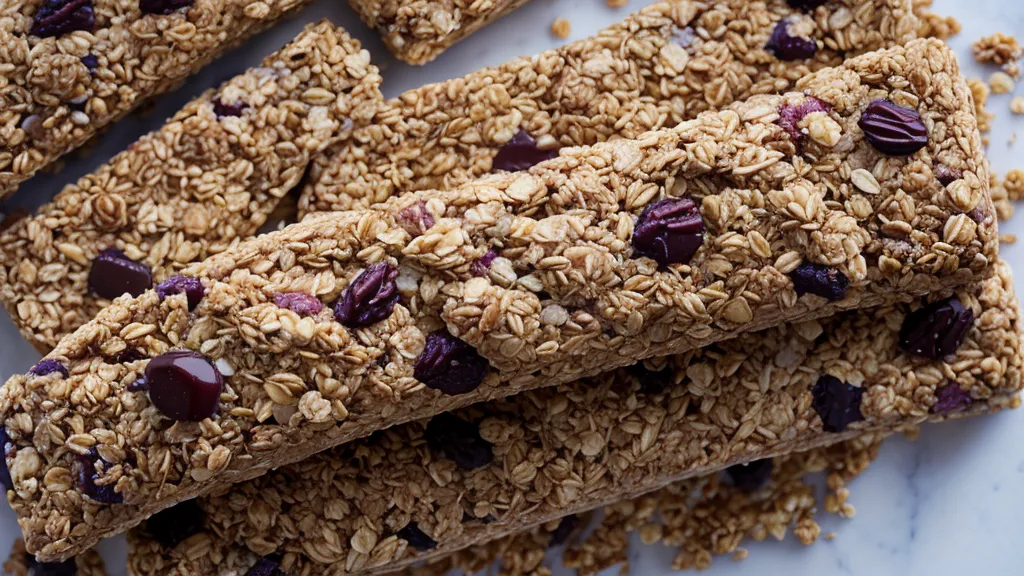
The granola bar in my office's wellness basket lists honey as its second ingredient, right under whole oats, with a green "Smart Choice" sticker from the very corporate wellness program I help administer. Managing prediabetes for a while now has taught me that the sticker and the actual blood sugar math inside the wrapper rarely agree. Low glycemic index isn't a marketing phrase — it's a number, and most of what gets handed out as office wellness food never comes close to it.
Office Snacks and the Blood Sugar Math Nobody Explains
That sticker on the granola bar ignores something called the Glycemic Index, a scale that tops out at 100, pure glucose, doing its absolute worst. Anything at 55 or under counts as low, meaning it raises blood sugar slowly enough for your body to keep pace instead of scrambling. Glycemic load takes that same number and adjusts for the actual portion on your plate, a separate calculation I'll leave to the spreadsheet people, my friend Noel can turn literally any conversation into a spreadsheet challenge and would probably have it solved before I finished this sentence. The practical rule for a desk snack is simpler: a carb eaten alone hits fast, the same carb eaten with protein or fat hits slow.
Why Does 'Whole Wheat' Still Spike My Numbers?
Whole wheat at most grocery stores gets milled fine enough that your body barely tells the difference from white bread, fiber label aside, the flour-particle-size part of that story belongs to a different post on this site, so I'll leave the details there. Stone-ground and sprouted loaves were the only versions that didn't spike me the same way, and it took real trial and error to find ones that didn't taste like a packing box. Bread was the hardest trade I made, and the long version of that fight lives in The Great Bread Compromise, if you want the full saga.
Raw Vegetables Don't Always Win
Look, going "full rabbit" on raw kale, broccoli, and peppers felt like the gold-star move right after diagnosis. Bowls of raw vegetables sound like the safest possible choice, and mine were enormous. My morning numbers stayed exactly as stubborn as before, plus a new layer of bloating that hadn't been part of the deal.
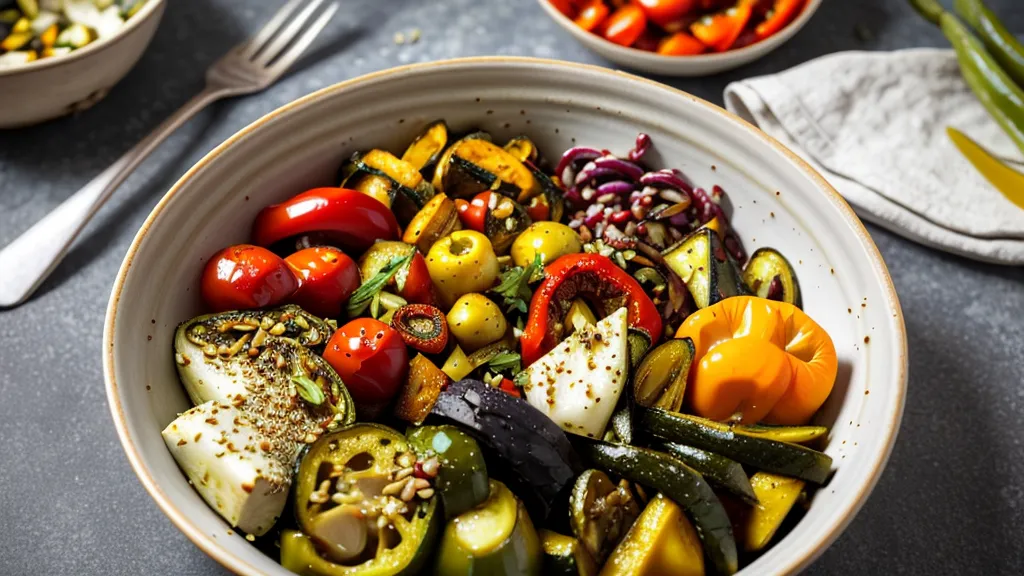
Large amounts of raw kale and broccoli aren't automatically the safe choice they look like on paper. For some of us, a gut working overtime on raw fiber gets stressed enough that it can affect insulin sensitivity. I won't pretend to know the full mechanism, and a different post here covers it properly. Steaming or roasting the same vegetables took the edge off, and post-meal numbers calmed down noticeably once that swap happened. When a "healthy" vegetable habit stops working the way it should, cooking method is worth testing before blaming the vegetable itself. More of these swaps are covered in Beyond the 'Healthy' Whole Wheat Trap.
Pairing Every Carb With Something Else
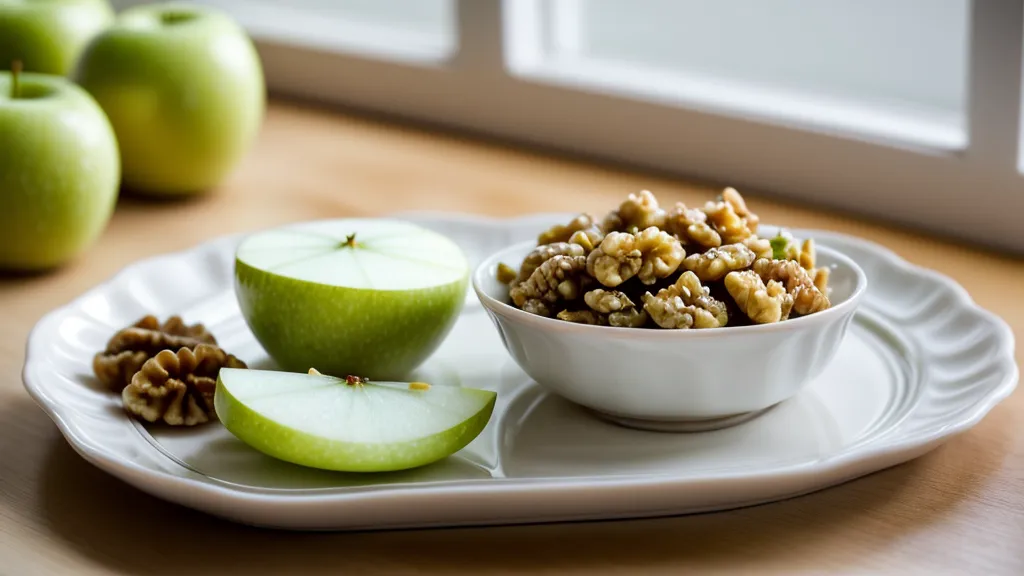
Pairing is the whole trick, really — a carb almost never has to travel alone. Fruit comes with a handful of walnuts or a slice of cheddar in my case, never on its own, the same way nobody plans a week of meals around dessert and calls it a plan. Soluble fiber in oats and legumes helps too, though the pairing matters more than the fiber content by itself for keeping a rise manageable instead of sharp. A desk drawer can hold almonds, pumpkin seeds, and a couple of tins of fish without anyone questioning your life choices. Mine gets questioned anyway.
What Didn't Work, and What Finally Did
Here is the thing: PCC Community Markets in Edmonds is where most of this hunting happens now, mostly because the bulk bins make it easy to buy exactly the amount of walnuts that won't go stale before they're eaten. Grocery bags from Trader Joe's still get flattened the same way they always did, a quick paper crinkle on the counter before anything gets put away, one habit from the old routine that never needed fixing in the first place.
Not every fix I tried actually worked, for what it's worth. A cinnamon-and-honey tonic every morning for a month was supposed to settle fasting numbers, built on exactly the kind of wellness-blog logic I used to roll my eyes at from the HR side of my job. My next fasting number didn't care one bit. What actually moved things was boring: pairing, portioning, and reading past the front-of-package claim instead of trusting it. One particular afternoon, two o'clock came and went without the headache that used to show up right on schedule, the kind of unremarkable afternoon this whole approach is actually built for.
Amara, who never lets me get away with a short-term win without asking the harder question, wanted to know if any of this holds up over the next twenty years, or if it's just a very organized phase. That answer isn't fully written yet. What is clear enough to share now: pair the carb, read past the marketing claim on the label, and cook the vegetable instead of eating it raw if raw isn't working for you — habits anyone can repeat on a bad week, not just a good one. A warm baguette still outranks nearly everything else I'm not supposed to want, more than I'll ever admit in a work meeting. The energy crash doesn't rank high enough anymore to trade any of this back for it.