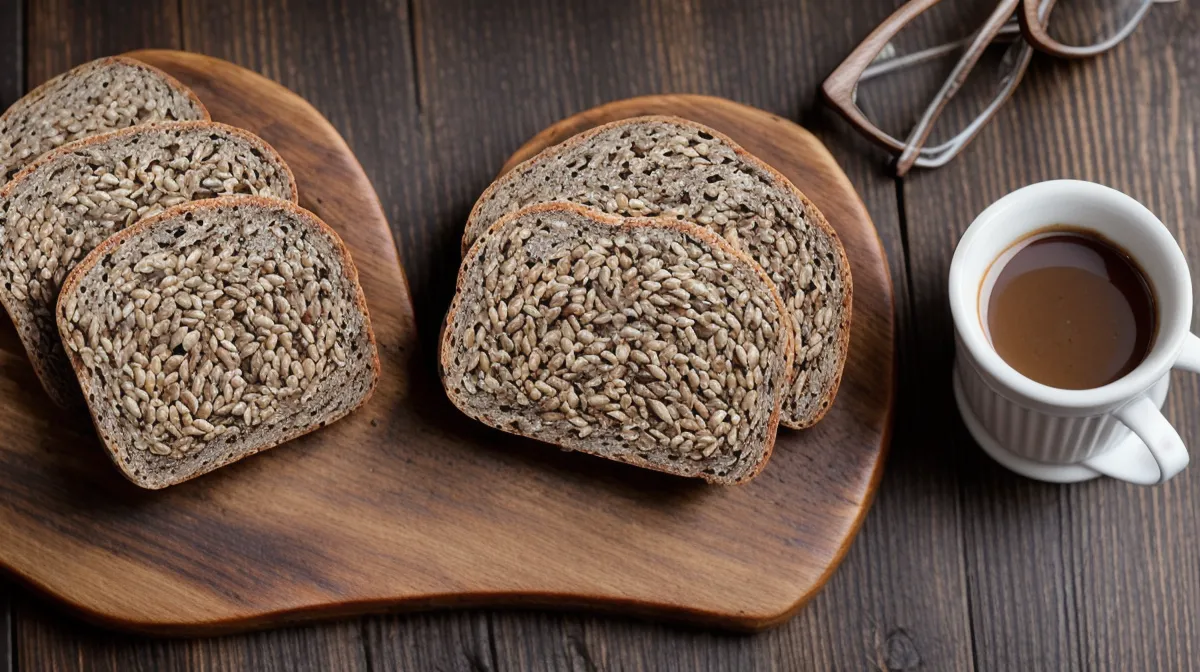
My hand is already closing around a warm sourdough round at the Pike Place Market bakery counter before my brain catches up and reminds me I'm supposed to be reading labels these days, not grabbing bread on reflex. I've spent a decade as an HR manager telling other people to make better choices for their health. Then my own wellness screening came back prediabetic, my blood sugar numbers said otherwise, and that's the day my low-GI diet life started, whether I wanted it or not.
Quick note before we go any further: this post contains affiliate links. If you click through and buy something, I earn a small commission at no extra cost to you. I only mention supplements I've actually tried in my own routine, and I want to be clear that I'm not a doctor or a dietitian — just someone who turned her kitchen into an experiment after a scary lab result. Please loop in your own doctor before changing anything major.
The Irony Nobody Wanted at the Wellness Fair
There's a very specific sting in failing the same wellness screening you helped design. For the first month after my results came back, I stayed in denial — I told myself artisanal bread didn't count against my Glycemic Index tally because it sounded healthier. Stone-ground. Small-batch. None of that mattered once it hit my bloodstream.
By the following season, my numbers had actually gotten worse, and that's what finally knocked the denial loose. I started treating the glycemic scale the way I treat a budget spreadsheet at work — pure glucose sits at 100, and everything else gets measured against that line. My morning bagel, it turned out, was hitting my bloodstream like a same-day wire transfer, no processing delay at all.
My Kitchen Turned Into a Low-GI Diet Laboratory
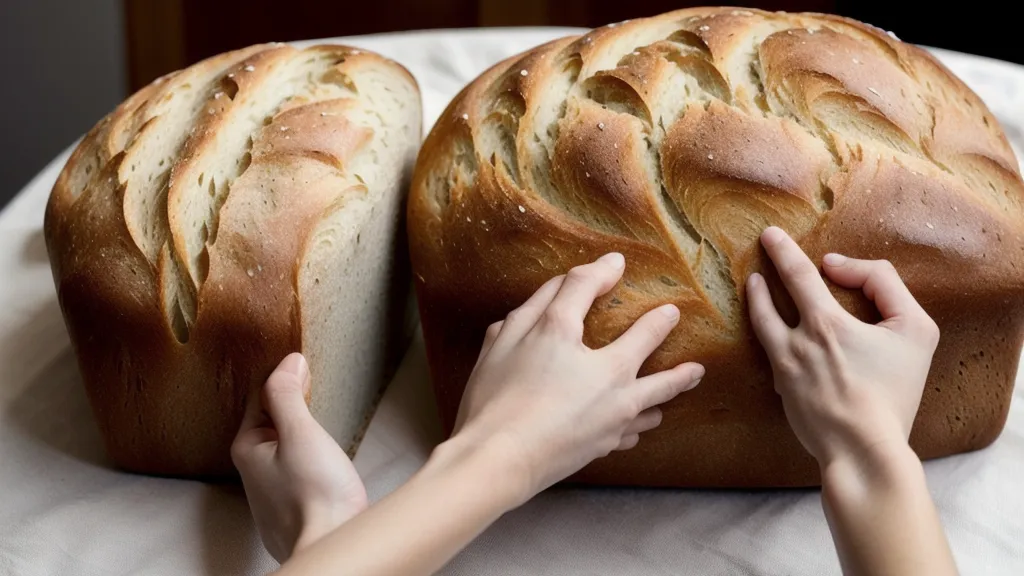
Spring turned my kitchen into something closer to a lab bench than a place to make dinner. On the peninsula counter where my kids used to do homework, I started lining up four different loaves at a time, comparing crumb and crust before I'd even taste any of them. The corkboard above the counter filled up with printed glycemic charts and sticky notes until it looked like a conspiracy wall, and the open shelf that used to hold cereal boxes now holds jars of steel-cut oats and dried lentils instead. My neighbor Greta caught me photographing a loaf against the window one afternoon when she was loading her car for the Costco run she never skips on a Saturday, and asked, flatly, if I'd finally lost it.
I learned fast that "whole wheat" is often a label trick. A lot of grocery-store loaves are milled so fine that their glycemic load lands almost as high as white bread, even though the bag says whole grain. I wrote about that particular heartbreak in The White Bread Mourning Period: Finding My Low-GI Peace, and about the mid-meeting energy crashes it caused in The Corporate Wellness Irony: Rebuilding My Work Lunch Without the Glucose Spike. Intact grains hold their structure through digestion longer than flour that's been pulverized into dust, which is the real reason a dense multigrain slice behaves so differently than a fluffy white one.
Bread Stalls, Cauliflower Rice, and the Numbers That Surprised Me
Pike Place Market became my Saturday test kitchen too, in a way. I'd walk the bakery stalls asking vendors about fermentation times, then test whatever I bought against something I'd cooked myself that same week. One test had nothing to do with bread at all — swapping white rice for riced cauliflower under a stir fry. My glucometer made the point better than any market vendor could: one morning after the cauliflower version it read 112, on a week when the rice version was regularly pushing me past 156. Four weeks into tracking swaps side by side, the pattern between the two was impossible to miss.
A reader named Corbin spent months arguing in the comments under my cauliflower rice post that no vegetable substitute could ever actually be filling. Last week he finally emailed to admit the swap has kept his own afternoons from crashing, which felt like a strange kind of victory for both of us.
Here's the thing about rigid schedules: before I got organized, I tried a strict three-meals-a-day, no-snacking plan, because that's what every generic diet article told me to do. It backfired within days. I'd get so ravenous by mid-afternoon that I'd end up standing in front of the office vending machine anyway, undoing whatever discipline I'd built that morning. Structure without any flexibility just doesn't work for my body, and I needed the kitchen-lab chaos to actually figure that out.
Finding Support Tools Beyond the Bread Aisle
By late summer I'd built a morning routine that didn't lean on carbs at all: protein first, then a little blood sugar support from a liquid supplement instead of another slice of anything. I started using Sugar Defender, which packs 24 plant-based ingredients into a formula I drop into my morning tea because, honestly, the taste is too earthy for me to take it straight. What actually sold me, being the kind of HR manager who reads every clause before signing anything, was their 180-day money-back guarantee: trying it cost me nothing but time if it didn't work out. Because it's a liquid with zero prep, it's also the kind of thing that could work for someone with no kitchen at all, not just someone with a corkboard full of glycemic charts.
If capsules fit your routine better, I also looked into Gluco6, which is built around insulin sensitivity and comes with its own 60-day guarantee, so it's less of a gamble than it looks on the shelf. And for anyone watching a budget the way I watch mine at work, GlucoBerry leans on maqui berry and works through a different angle entirely, focusing on how the kidneys clear excess glucose, which makes it worth a look if the other two don't feel right for you.
Is Sourdough Actually Okay for Prediabetes Management?
Look, it depends entirely on the fermentation, in my experience. A true long-fermented sourdough can sit lower on the glycemic scale than a regular white loaf, because the bacteria break down some of the starch before it even reaches your plate. But most of what gets labeled "sourdough" at a regular grocery store is really just white bread with sour flavoring added after the fact, no long fermentation involved. If the crust isn't tough and the crumb doesn't have big irregular air holes, assume it will spike you the same as anything else would. I go through the whole betrayal in My Kitchen Lab Experiments: How I Reclaimed Bread Without Spiking My Blood Sugar, if you want the longer version.
What's the Best Bread When You're Not Near a Kitchen?
Look for sprouted grain wraps, or skip bread entirely and go protein style with a lettuce wrap if that's an option where you're stopping. When bread really is unavoidable, check the label for "100% stone-ground" and confirm the fiber sits somewhere around 3 to 5 grams per slice. If it feels light and airy like a cloud in your hand, it's going to behave like sugar once it hits your system, no matter what the front of the bag promises.
Does the Order You Eat In Actually Matter?
Yes, and this took me embarrassingly long to figure out. Eating fiber and protein before I touch the bread on my plate keeps the glucose spike noticeably smaller, as if the food ahead of it slows everything else down on the way in. This trick works especially well at a catered work lunch where you can't control the menu. Eat the sandwich fillings first, then deal with the bread after, if you deal with it at all.

What I'd Tell Myself Back at That Wellness Fair
Ten months out from that conference room, my relationship with bread has gone from fear to something closer to curiosity. I still miss white bread more than I'll ever admit out loud at an actual wellness event, but I don't miss the fog or the racing heart that followed it an hour later. If there's one thing worth carrying out of my kitchen lab, it's this: stop treating every carb as either forbidden or fine, and start treating each one as a question you can actually test for yourself. Whether that testing happens on a peninsula counter in the suburbs or in a parking lot between shifts, the habit of checking rather than guessing is what actually moves the number.
For extra support while you figure out your own version of this, I still recommend looking into Sugar Defender: it's stayed part of my morning routine, and that long guarantee window made trying it feel low-risk in the first place. Check their page for yourself, and keep your own doctor in the loop the whole time you're experimenting.