
I'm flattening a Trader Joe's paper bag against the counter, that stiff cardboard crinkle filling the kitchen while the birch out back sways past the window over the sink, and I already know exactly which version of me filled this particular bag. That's really what this whole post is: two versions of the same prediabetes lifestyle, a low-glycemic-index morning routine laid side by side against the glucose-management denial that came before it.
Quick disclosure before you keep going: a few of the links below are affiliate links, meaning I get a small commission if you buy through them, at no extra cost to you. I don't earn anything for oversharing about my own kitchen, though — that part's free. I'm an HR manager, not a doctor or a dietitian, so treat this as one messy case study and check with your own medical provider before changing anything based on what worked for me.
The Denial Routine and the Low-Glycemic-Index Rebuild Look Nothing Alike
Last November, the results came back from the annual screening I'd spent months helping coordinate for my own HR department's wellness program — which is its own particular flavor of humiliating. Prediabetic. For the better part of a month I kept eating exactly like nothing had changed, half-convinced the lab had mixed up a vial somewhere. Then the follow-up numbers came back worse, and denial stopped being a viable strategy.
Here's the thing about setting two versions of yourself side by side: it only works if you're honest about what each one actually did, not what you wish she'd done. Denial-me ate on autopilot — the same bagels, the same pasta, the same nine-thirty snack out of the vending machine down the hall. Rebuilt-me treats a grocery trip like due diligence. Cutting the food I loved was never really the fix; learning to compare what I was buying, item by item, was.
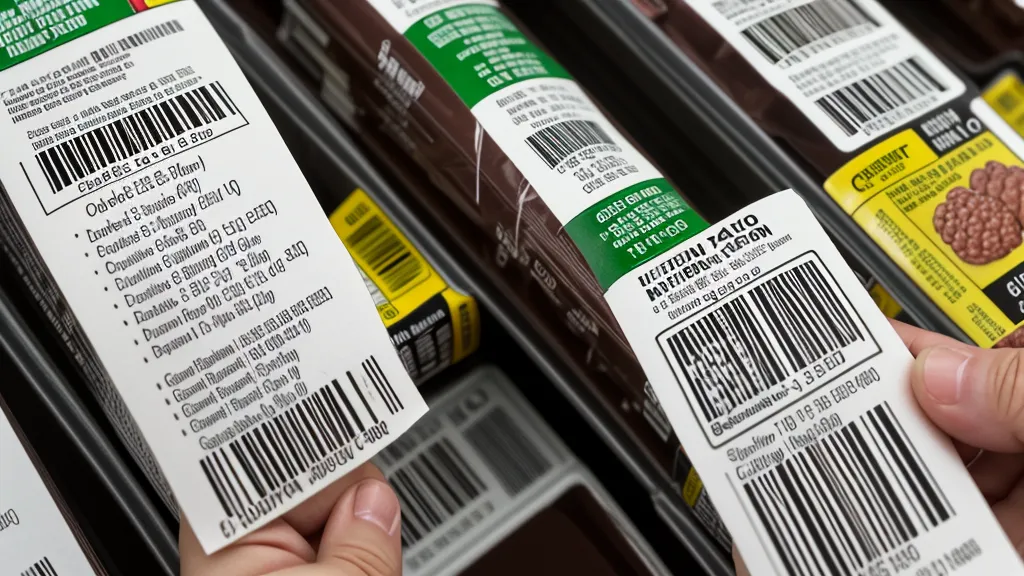
Reading Labels at the Trader Joe's on Roosevelt Way, Not the Old Costco Runs
The denial-era cart looked like anyone's cart — bagels, pasta, whatever was fastest after a long day of meetings. These days it comes out of the Trader Joe's on Roosevelt Way NE instead, and I read the back of nearly everything before it goes in the bag. Glycemic Index and Glycemic Load sound like they'd measure the same thing. They don't — they're two different numbers doing two different jobs, and the actual mechanics of each one are explained in more depth elsewhere than I'll get into here, starting with Glycemic Index itself.
None of that label-reading fixes the harder part, which is how it feels to relearn a skill you thought you already had. If a diagnosis has ever landed on you out of nowhere, you already know that the emotional side of a prediabetes diagnosis doesn't show up on any lab report. Mine showed up standing in a Trader Joe's aisle, holding two loaves of bread, unable to tell which one was actually the better choice.

The Chromium Picolinate Detour Before the Comparison Made Sense
Before I trusted the slow work of reading labels, I wanted a shortcut, and I want to be upfront about the shortcut that didn't work. A wellness blog convinced me chromium picolinate could do some of the heavy lifting my plate wasn't doing yet, so I bought a bottle and took it every morning for weeks. My next set of numbers didn't move. Not a little, not at all — and that almond flour loaf pictured above didn't do me any favors either, crumbling into dry sand the second it hit the toaster, which is its own small tragedy when you already miss real bread.
That detour taught me something the label-reading eventually confirmed: a capsule can't stand in for actually understanding what's on your plate. Comparing Glycemic Load against Glycemic Index in my own kitchen did more for my numbers in a season than a bottle of supplements did in a month. That's not a knock on supplements generally — it's just where I'd put my money if I were doing this over.
Fatima Asks the Question I Always Skip
Fatima, who's sat two desks over from me for years now, leaned across the partition one afternoon and asked the question I hadn't actually asked myself: is this supplement thing supposed to replace the food work, or just back it up on the mornings I don't have it together? It's a fair question, and it's the same one worth asking before you compare any two products in this category.
For me, the honest answer is backup, not replacement. On a slower morning I make a low-GI green smoothie — spinach, avocado, a little protein powder, some berries — and skip the extras entirely. On a chaotic one, I stir Sugar Defender into my tea instead of skipping breakfast logic altogether. I looked hard at Gluco6 too, since it comes in capsules instead of liquid drops, which plenty of people will always prefer over measuring anything out, and it leans specifically on supporting insulin sensitivity. Sugar Defender's list of 24 plant-based ingredients without synthetic fillers won me over after a month of trusting a random capsule that did nothing, and its 180-day money-back guarantee gave me more room to change my mind than Gluco6's 60 days.

This doesn't replace the unglamorous mechanics of a low-GI kitchen, either. If you're building your own version of this comparison, the actual tools you're cooking with make a bigger difference than people expect, and I got into which kitchen tools actually help with low-glycemic cooking in a separate post, because that list got too long to fit here.
Small Wins That Don't Look Like Milestones
Some of the differences between the two versions of me are small enough that I almost missed them. Reaching into the back of the closet for a pair of jeans I'd shoved there and half forgotten about, expecting the usual lie-down-and-wrestle routine, they just zipped, standing up, like they'd never been retired in the first place. That's not a dramatic before-and-after photo. It's just a pair of jeans, fitting the way jeans are supposed to fit.
The fiber side of this comparison matters too, more than I expected going in, and I wrote a longer post on fiber and blood sugar stability if you want the deeper version instead of one sentence. And there's the flip side of the comparison: a coworker's glazed donut in a benefits meeting last month, which I watched with something between longing and a weirdly clinical read on the glucose spike headed her way. I didn't say anything. I just noticed I didn't actually want the crash that comes after, which is a strange thing to know about yourself in a beige conference room.
A reader named Lynda Ostrowski emailed me after an old post laying out the glycemic-index cheat sheet, and she asked the same question Fatima did, just from the other side of the screen: would the drops alone have been enough without the label-reading? I wish I'd answered that more directly the first time. The short version is no, not for me. The comparison only works because both halves are doing something different, not because one replaces the other.

So Which Version of the Routine Should You Actually Copy?
If your mornings already have slack in them — time to make a smoothie, time to read a label without rushing — put your energy into the food side first. That's where the bigger share of the change happened for me, and no supplement substitutes for actually knowing your Glycemic Load choices. If your mornings are the opposite, chaotic, rushed, the kind where breakfast is whatever's closest, something like stirring Sugar Defender into the coffee or tea you're already making removes one excuse without asking you to rebuild your whole schedule.
Look, neither version is the whole answer on its own, and I'd be lying if I said I have this fully figured out even now — I still miss real bread more than I'll admit in a benefits meeting. But comparing the two, honestly, side by side, taught me more than either one alone ever could. Start with whichever version fits the morning you actually have, not the one you wish you had, and go from there.