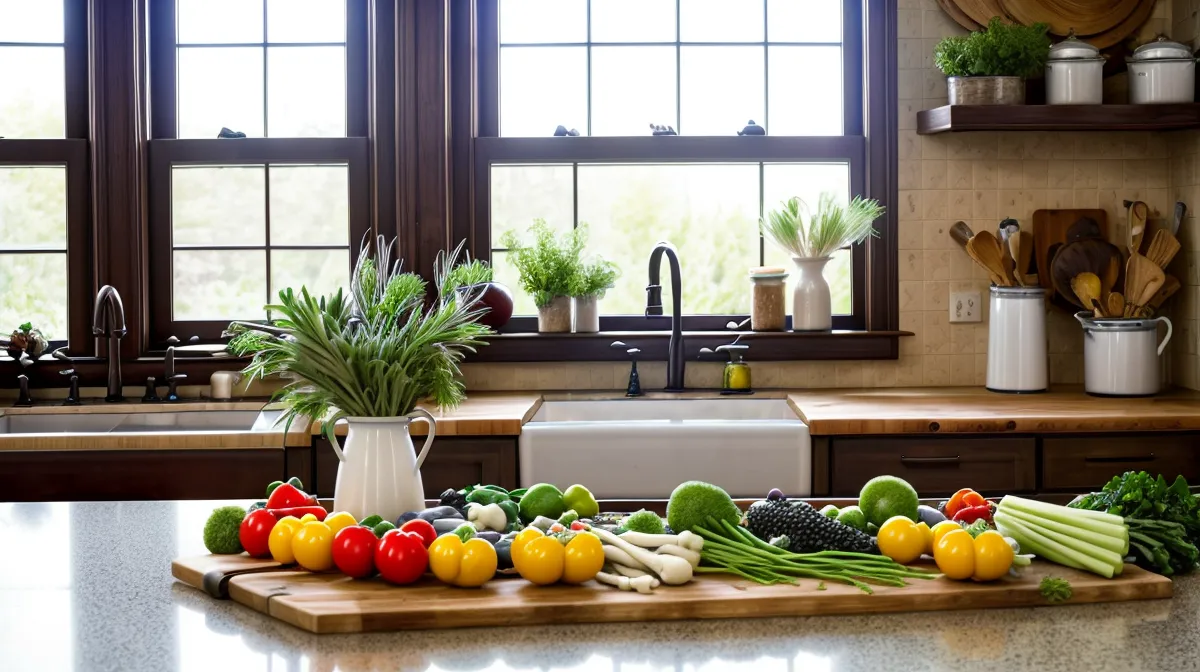
My husband cannot tell the difference between real mashed potatoes and a low-GI cauliflower-parsnip mash once both are salted the same way. That single fact has quietly reorganized how family meals happen in our house since my prediabetes diagnosis. Some low-GI cooking swaps only work if nobody at the table knows what happened to their dinner. Others only work if everyone gets let in on the plan. Figuring out which swap needs which strategy turned out to matter more than any single ingredient.
Cutting the Sugar Wasn't the Same as Cutting the Carbs
Getting flagged as prediabetic during a routine screening at the same company where I help run the wellness program is its own particular flavor of irony. I spend my days on benefits enrollment and conflict resolution, not blood panels, and I still failed my own test. My A1C sat in the prediabetes range, 5.7 to 6.4 percent. My first move was denial dressed up as discipline: cut the obvious sugar, skip the donuts in the break room, leave everything else alone. White bread stayed. Pasta stayed. Rice stayed. The follow-up test came back worse, not better, and that's how I learned sugar was never the whole problem.
The gap showed up first with rice, not dessert. I made the same basic dinner twice, a week apart — once with plain white rice, once with a cauliflower version I almost didn't finish because the texture threw me off — and my glucometer read 112 after the cauliflower plate against 156 after the rice one. Neither meal had a spoonful of added sugar in it. That number gap is what pushed me to look at the Glycemic Index itself, a 0-to-100 scale where pure glucose sits at the top. A white baguette, my old Saturday morning weakness, sits at a brutal 95. Cutting sugar hadn't touched any of that.
Cauliflower-Parsnip Mash Against Almond-Flour Crust
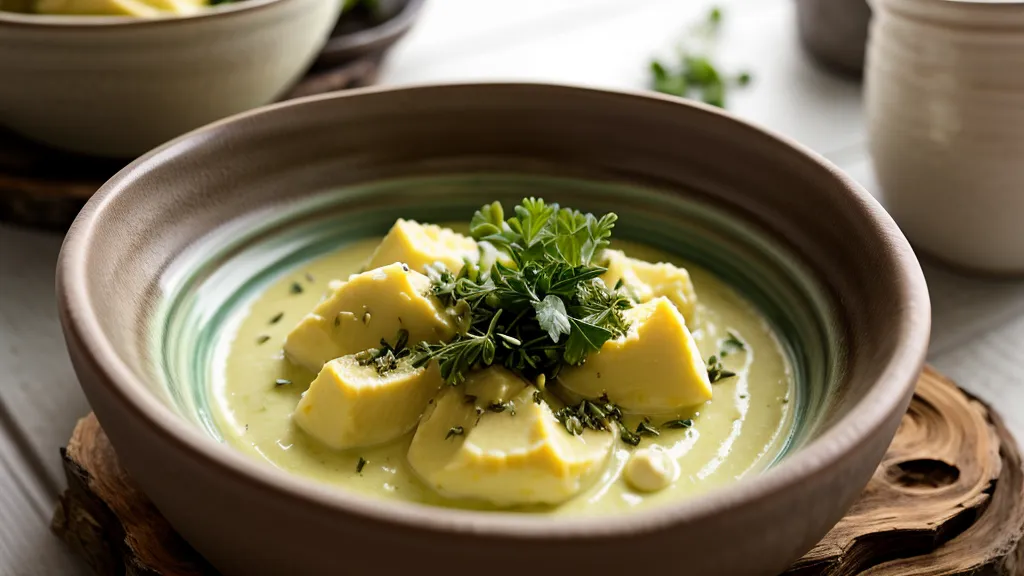
Two swaps, same week, opposite results. The cauliflower-parsnip mash worked because it doesn't ask your mouth to accept anything new — parsnip brings a starchy sweetness that plain cauliflower can't fake on its own, and the texture, once you blend it long enough, lands close enough to butter and cream that my husband ate two helpings without asking a single question. The almond-flour pizza crust was the opposite experiment. It was gritty, sandy, and it fell apart the moment I tried to lift a slice. My kids looked at it like I'd served them wet construction paper, and honestly, they weren't wrong to.
Here is the thing that comparison taught me: a swap that mimics the original's mouthfeel can be introduced silently and survive. A swap that changes the texture entirely needs buy-in first, or it gets voted down at the table, no matter how good the nutrition math looks on paper.
Pearl Barley or White Rice: Does Glycemic Load Actually Change Dinner?
Pearl barley has a GI of 28. Compare that to the high 70s for white rice, or that 95 baguette from earlier. I started buying barley in bulk from a grain stall at Pike Place Market, along with the parsnips, and swapping it into soups and risottos wherever rice used to go. Because barley is chewy and nutty rather than soft and starchy, my family actually preferred it — it read as a hearty grain choice, not a diet substitute standing in for the real thing.
GI only tells you how fast a food spikes you, though. It says nothing about how much of that food actually ends up on your plate, and that's where load comes in. I got into the mechanics of that difference in Glycemic Load changed everything in my Seattle kitchen, so I won't re-teach it here, but the short version for family cooking is that portion size still counts even when the ingredient itself scores low. Fiber does some of that same braking work inside a single meal — I wrote more about that mechanism in the boring magic of fiber — and stacking a low-GI grain with a fiber-heavy vegetable does more for a dinner's overall load than either one manages alone.
Chilling the Pasta Instead of Serving It Hot
Small swaps stick better than dramatic ones. Rice becomes barley. A hot starch becomes a chilled one — cooking pasta or potatoes, letting them cool completely in the fridge, then reheating gently the next day, changes how the body handles that starch without changing much about how the dish tastes. I've covered the cold-starch trick and the resistant starch question in more depth elsewhere, so I'll leave the mechanism there. Mashed potato becomes cauliflower blended with parsnip for sweetness, and a vinegar-based dressing on a cold potato salad does a version of the same acid trick to slow things down further.
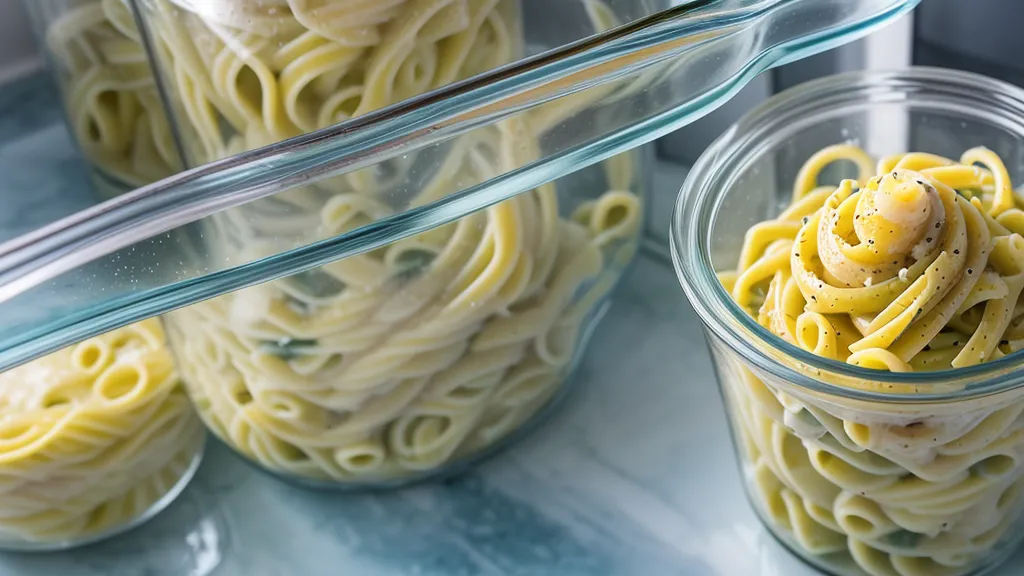
A reader named Lynda Ostrowski emailed me after finding my glycemic-index cheat sheet, and she's since become someone I trade notes with regularly. She tried the chilled-pasta method with a mayonnaise-based salad that never fully cooled before her family sat down to eat it, and her numbers barely budged that night. She's candid about that kind of miss in a way that makes my own kitchen failures feel less like personal defects and more like useful data points. Timing and a full, proper chill, it turns out, matter as much as the swap itself.
Bringing a chilled-and-reheated pasta salad to an office lunch is a different kind of swap than serving it at my own table, because now it has to survive an audience. A coworker once asked, not unkindly, why my lunch looked like leftovers nobody wanted. Fatima Idrissi, who sits at the next desk over in HR, answered before I could — something short about how what's on my plate is nobody's business but mine. She's like that about my food choices generally, protective in a way I never asked for but have come to appreciate. That's the moment I started sorting swaps into two categories: the ones I can serve without comment, and the ones that need the dinner table divide explained out loud first.
The Swap You Hide Isn't the Same Strategy as the Swap You Explain
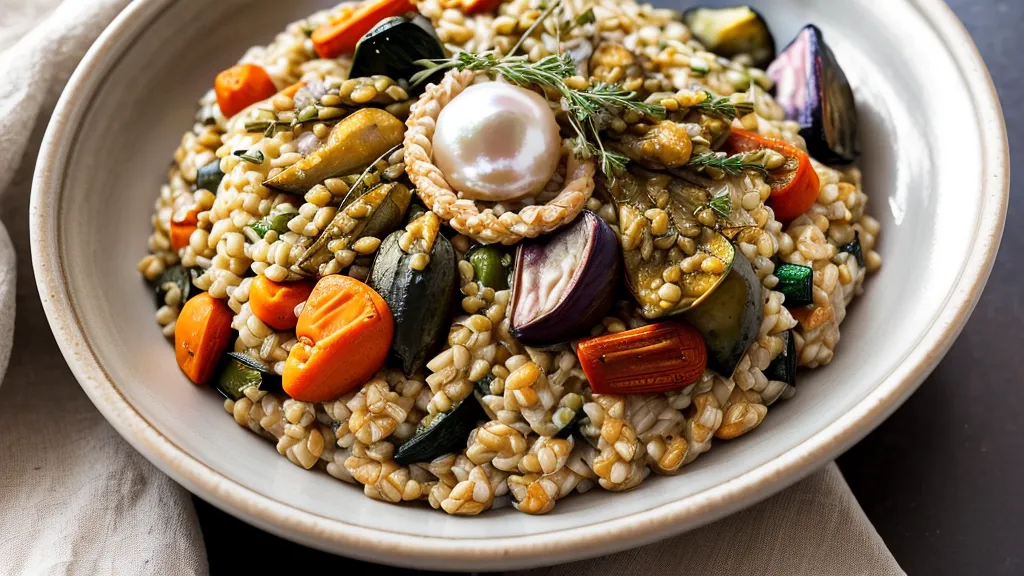
Talk to your own doctor before you overhaul your pantry; everybody's numbers respond differently, and I'm not a dietitian, just someone who rebuilt her own kitchen after a diagnosis she didn't see coming. But if you're deciding where to start, here's the trade-off as I've come to understand it. Hide the swap when the only goal is getting a low-GI dinner eaten without a debate: the cauliflower-parsnip mash, the barley risotto, the pasta salad chilled overnight and reheated quietly the next day. Announce the swap when the people eating it are curious, skeptical, or need to trust you rather than feel tricked by you: a work lunch, a family member who wants the reasoning spelled out, a friend at your table asking real questions. Most of our family dinners these days look almost exactly like they did before the diagnosis, barley risotto included, just built from the inside out instead of the outside in. That's the whole trick. Nobody has to know unless they ask.