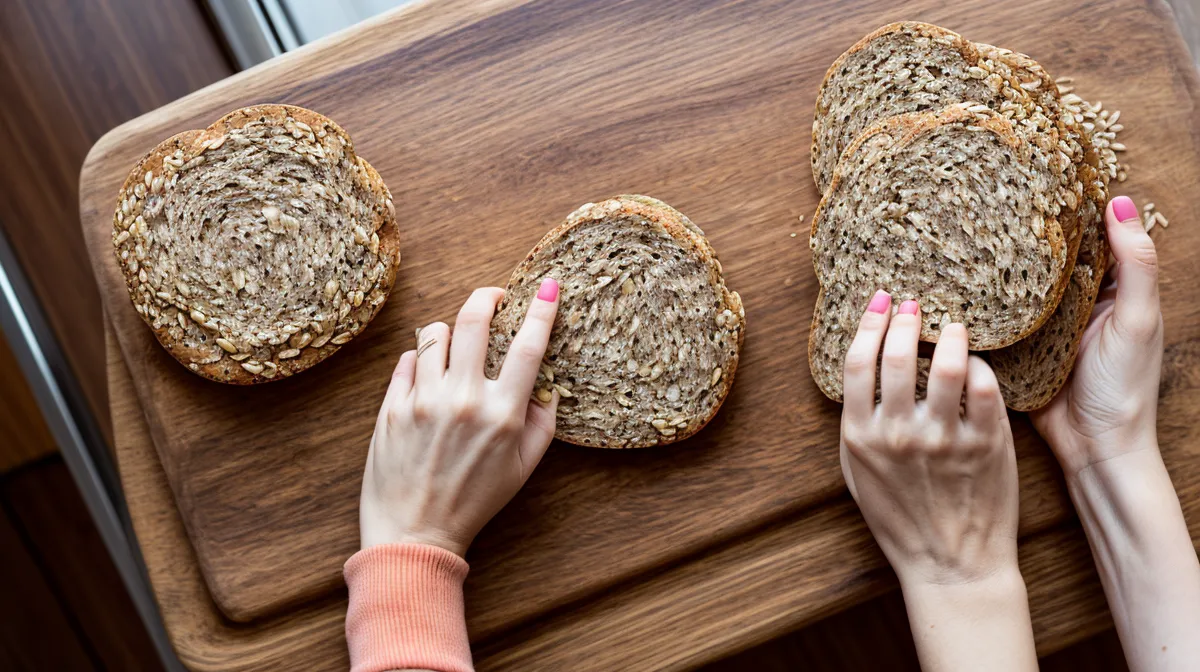
Ninety-five. That's the Glycemic Index of a plain white baguette — one point under table sugar. I didn't know a number like that existed until a nurse practitioner slid my A1C results across her desk, her finger pausing half a second too long on one line, before she told me I was prediabetic. Which is an awkward thing to hear when running the corporate wellness program for five hundred employees happens to be your actual job. The "healthy" lunch I'd packed for years — turkey, lettuce, tomato, on a crusty baguette I bought because it felt virtuous — was, numerically, barely different from eating sugar straight out of the bag.
Here's the misconception that nearly sent me off a cliff: that the only real fix for a result like mine is cutting carbs completely. Keto, carnivore, zero-sugar-anything — pick your flavor of extreme, they all promised the same fast correction. So I tried it. Three weeks of keto, to be exact, and I believed every forum post that swore the first ten days would be the hardest part and then it would click.
The Myth That Sent Me to Keto for Three Weeks
By day ten, I wasn't clicking into anything except misery — foggy through every meeting, short with coworkers over nothing, dreaming about bread in a way that genuinely embarrassed me. So I did what any carb-starved HR manager eventually does: look, I'm not proud of this part. I tried to build a sandwich anyway, just without the bread. Mashed cauliflower, an egg, a prayer. I pressed the mixture into something vaguely bread-shaped and brought it to a lunchtime conference call like I'd solved something.
I hadn't solved anything. The "bread" disintegrated into a soggy, egg-scented mess across my keyboard while I sat there muted, mortified, picking wet cauliflower off the F and G keys one at a time. It tasted like wet cardboard, for the record, and not the fun kind of disaster you laugh about a day later.
Keto hadn't fixed my numbers either, by the way, it had just made me hungry and miserable at the same time, which felt like the worst possible combination of outcomes. That's when I stopped believing carb elimination was the answer and started asking a completely different question.
Is Cutting Out Carbs the Real Fix?
What actually turned things around wasn't eliminating carbs — it was realizing that a slice of bread behaves completely differently depending on what's sitting next to it on the plate. Portion-adjusted glycemic load works a bit like a department budget: the sticker price on one line item matters less than how the whole thing balances out by the end of the month. That's the one piece of math from this entire ordeal that actually stuck.
My kitchen counter turned into the site of these little experiments — bread alone one day, bread with turkey and avocado piled on the next, bread with a hard-boiled egg the day after that. A row of sticky notes on the corkboard above my sink tracks which combinations left me steady and which ones don't, right next to a shelf of lentils and steel-cut oats I now buy by the jar instead of the box.
Building a Sandwich That Doesn't Betray Me
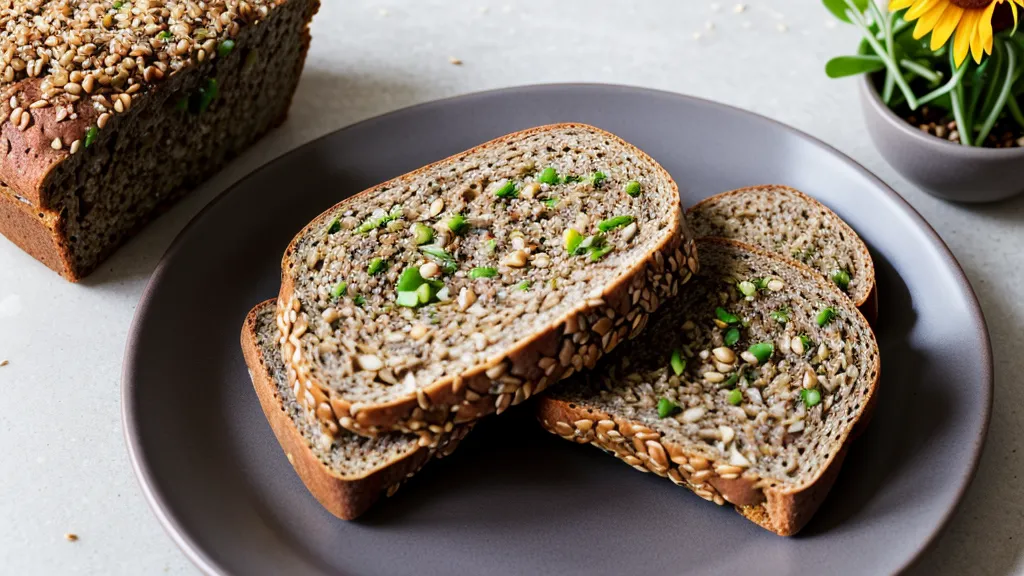
Sprouted grain bread ended up being the answer I didn't expect. The first slice I toasted smelled nutty and dense, nothing like the yeasty, airy sourdough I used to buy without thinking, and it took some getting used to. A single slice carries about three grams of fiber, which is a modest number until you set it next to the baguette I used to eat without a second thought. That swap became the first real step of The Sourdough Withdrawal, and it's the only part of this whole ordeal that hasn't felt like deprivation.
A reader named Corbin Weathersby emails me every month or so with a progress update, and he finally admitted, after a long stretch of pushing back on all of it, that the grain swap settled his afternoon energy crashes too. Not every convert is dramatic. Some of them are just quietly less tired by mid-afternoon.
My neighbor Greta Mabunda, who never misses her Saturday run to Costco, thinks I'm ridiculous for driving the extra ten minutes to the QFC on Aurora Avenue North here in Seattle just for one specific loaf of bread. She might be right. But it's the only store near me that consistently stocks the brand I trust, and at this point I'd rather be the weird neighbor than back on a baguette.
The Raw-Vegetable Assumption I Had to Drop
Raw kale felt like the responsible choice for years. It was crunchy, virtuous, the kind of thing that looks good in a mason jar salad. Except every time I ate a big raw kale salad for lunch, I'd get that jittery, strange feeling an hour or two later that I now recognize instantly. Steamed or sautéed, the same greens stopped doing that to me entirely.
I can't fully explain why cooking the vegetable changed how my body handled it. That's a question for someone with letters after their name, not an HR manager with a sauté pan. What I can tell you is that my lunch prep now always includes a quick stir-fry step, and I've written more about that particular swap in my low-GI lab notes if you want the longer version.

Packing a Low-Glycemic Lunchbox Without Losing the Plot
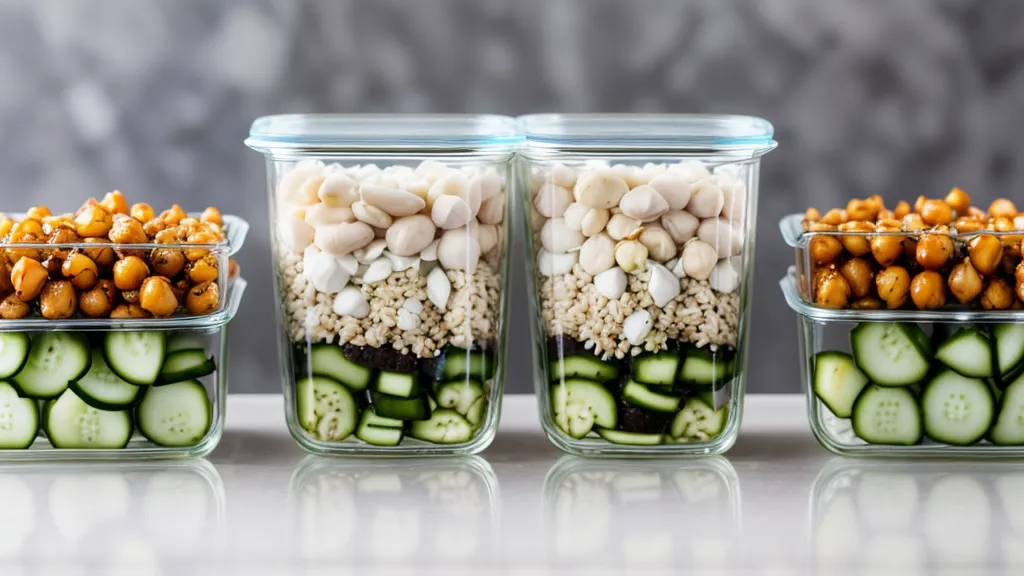
Chickpeas, roasted plain in the oven, carry a glycemic index around 28, low enough that it barely registers compared to that baguette, and they deliver the crunch I kept craving from chips. They are not a replacement for an actual bag of chips, let's be honest, nothing really is, but they keep me out of the vending machine most afternoons.
Food order matters more than I expected too, though I'll keep this part short: fiber first, then protein, then the bread last, if there's bread at all. It's a small sequencing trick, not a whole philosophy, and it's the kind of thing that sounds fussy until you realize it just means eating your vegetables before your sandwich instead of after.
What I'd Tell Someone Standing Where I Was
None of this means I stopped missing white bread. I still miss it more than I'll ever admit out loud, especially walking past a real bakery on a cold afternoon. But the trade is worth it, and if you're newly staring at a number on a lab report that feels like a verdict, here's the one thing I wish someone had told me sooner: the fix isn't cutting the food out, it's changing what's sitting next to it on the plate.
That's the actual decision now, every time a craving shows up, not whether to eliminate the carb, but whether I've got protein or fat to pair with it, and whether I've eaten anything in the last few hours that would soften the landing. It's a smaller, more boring rule than the dramatic all-or-nothing one the forums kept pushing, and it's the one that's actually kept working. A sprouted grain bread sandwich, built the right way, turned out to be more sustainable than any amount of cauliflower ever was. Talk to your own doctor about your own numbers. Mine are just mine, but don't let anyone convince you the only path forward is giving up every carb you've ever loved.