
I'm standing at my kitchen counter with a bag of brown rice in one hand, my phone buzzing with another reader question about glycemic load, the fourth one this week, all from people somewhere in their own prediabetes management, part of that whole Seattle wellness scene, wondering what any of this actually does for their metabolic health once you get past the low-GI cooking buzzwords.
Low glycemic and healthy are not the same promise. That gap is where most of my education happened, starting the week a routine screening put my own numbers inside the prediabetes A1C range, which is its own special kind of irony when you're the one who used to write the company's wellness newsletter.
A reader named Lynda Ostrowski is the reason this one is written as questions instead of a story. She emailed me after a glycemic-index cheat sheet I'd posted, and the two paragraphs she sent back were far more honest about her own setbacks than anything I'd written myself — which gave me permission to stop being so careful. Her questions, more or less, are the headings below.
Why Cutting Sugar Alone Didn't Fix Anything
Her first question, and the one almost everyone in my inbox asks eventually, is why the obvious move doesn't work. I cut the obvious sugar — no spoonful in the coffee, no candy dish, no cake at the Monday team lunch — and nothing improved. What stayed on my plate was the white bread, the pasta, the rice, because in my head those belonged to a different category than "sugar." Nobody had told me my body barely tells the difference once it's in my bloodstream.
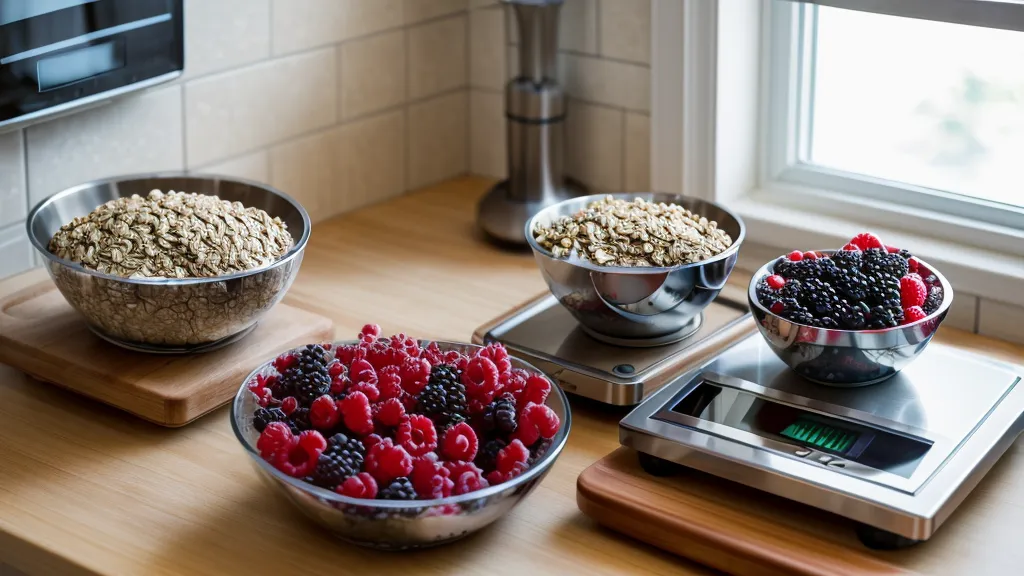
Breakfast most days was steel-cut oats, which felt like the safest choice on the shelf. By early afternoon I'd be foggy enough that budget meetings turned into an exercise in nodding along, and I'd end up scouring the break room for anything sweet just to function. Somewhere in that stretch there was an ordinary midweek morning when I stood at the counter bracing for that same thick fog, and it just never showed up. I couldn't tell you which week if you asked. That was the morning the box's label stopped mattering and the actual math of the meal started to.
A Low-Glycemic Label Isn't a Metabolic Health Guarantee
Glycemic index and glycemic load stopped being interchangeable for me right around there — index is about how fast a food turns into blood sugar, load is about how much of that carbohydrate is actually sitting on the plate, and I'll leave the arithmetic for the post where I actually show my work.
What mattered more for this question was a smaller, more annoying lesson: a product marketed at people like me could still wreck an afternoon if I ate it like it was harmless. For a while I tried to out-bake the problem, wrestling with gluten-free flour blends until my kitchen smelled like a science fair. Eventually I gave up and admitted that reading something practical like thickening soups with low glycemic alternatives was a far better use of a Tuesday evening than trying to reinvent bread that was never going to make me happy anyway.
Does Eating Order Really Change the Outcome?
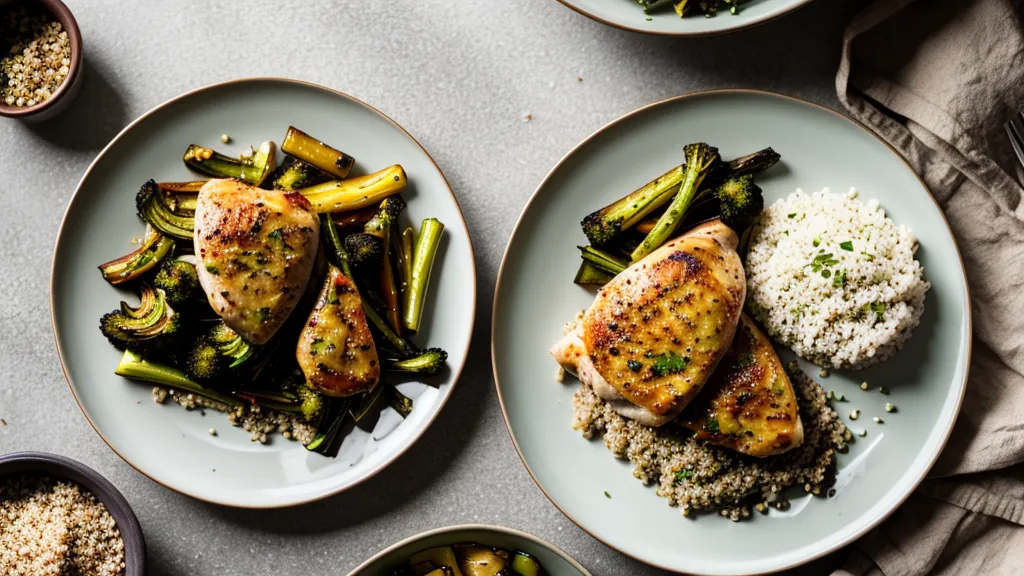
Fatima, who sits one pod over from me at work and has never once let a coworker comment on my lunch without a sharp look back, happened to be there the week I actually tested this. The surprise wasn't a new food at all — it was eating the exact same carbohydrate, just last, after the vegetables and the protein were mostly gone, and watching the usual afternoon crash simply not arrive, which is the one lesson every corporate wellness handout I ever wrote skipped completely, because we were all so busy telling people to swap white rice for brown.
These days, if there's a carb on the plate at all, it's whatever lands last on the fork — maybe a small scoop of pearled barley once the salad and the salmon are mostly finished.
Reader Questions: Sweeteners, Swaps, and What Actually Works
Lynda's other question was about honey and maple syrup — whether "natural" sugar gets some kind of pass just because it didn't come out of a bag marked white sugar. It doesn't, and doing an honest reality check on 'natural' sweeteners was its own small heartbreak, since I'd been stirring honey into my tea feeling virtuous about it for months.
The other question that comes up constantly is whether there's one trick that moves the needle without a full overhaul, and the honest answer is smaller than people want it to be: a splash of vinegar or lemon in a dressing, protein and fat sitting right next to the carb instead of off on their own, and the carb portion sized like a side dish instead of the main event. A loop around Lincoln Park in West Seattle after dinner does something similar to those numbers, though the mechanism is worth its own post. None of it requires a new product off a shelf, just paying attention to what's already on the plate.
What Would I Tell Someone Standing Where I Was?
If you're newly diagnosed and staring at a lab report that doesn't make sense yet, here's the one question I'd swap in for all the others: stop asking whether a food is allowed, and start asking what it's sitting next to on the plate and when in the meal you're actually eating it. That single reframe did more for my numbers than any individual ingredient swap ever managed.
None of this means I've made peace with everything. A bakery downtown still gets me every time — the smell of yeast and butter does something that no amount of metabolic health knowledge has managed to override, and I haven't found a stand-in that comes close, even after all the notes I kept while rebuilding my kitchen around the glycemic index. I just don't let the craving make the decision for me anymore.
Not perfection, just better questions before the fork goes in.