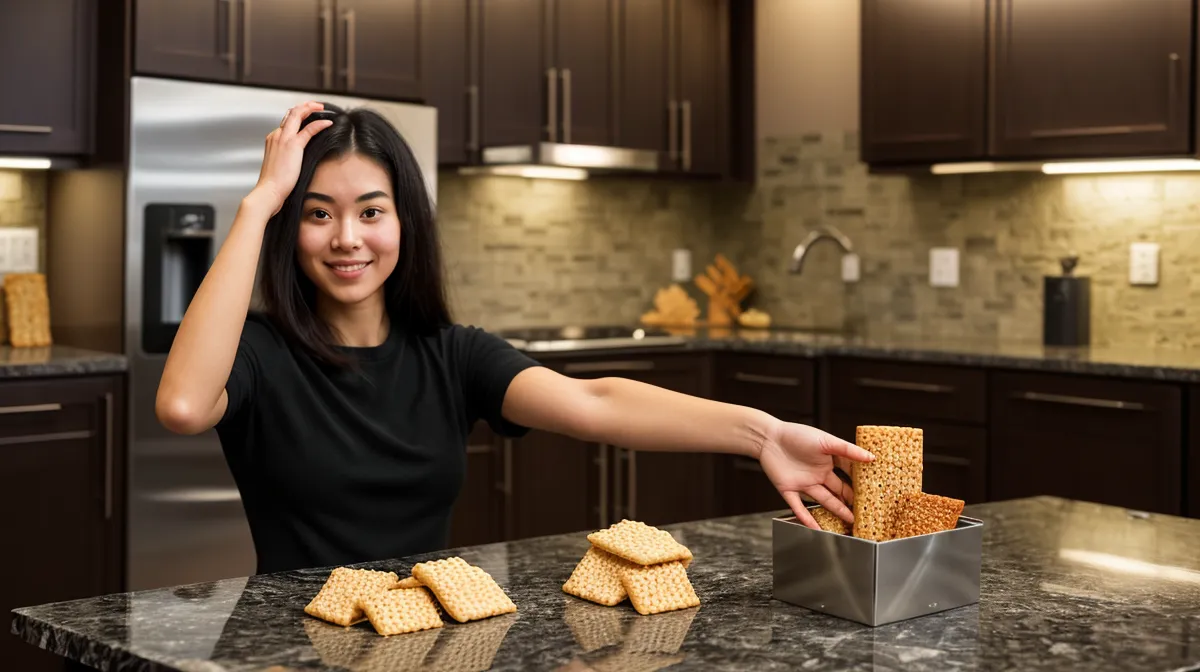
Pearled barley has a glycemic index of about 28—less than half of most whole wheat breads. Those breads often sit in the 60s or 70s, and that gap is what reshaped my low-GI cooking. It is also the one rule I would hand anyone starting prediabetes management: judge a food by its number and by your own meter, not by the word "healthy" printed on the box. Metabolic health doesn't care about packaging. Below is the walkthrough of how I tested that in my kitchen, including the parts that flopped.
My A1C came back at 5.7—the exact lower bound for a prediabetes diagnosis. The shame stung more than the number. I am the HR wellness lead at a company in suburban Seattle, the person who runs the health fairs and hands out pamphlets on "heart-healthy" grains, and my own screening had just failed.
Step one: test the "healthy" swap on your own meter
Everyone's first advice is the same, so I followed it. Out went the white sourdough from the local bakery. In came whole wheat bread, brown pasta, brown rice, and those dusty-tasting whole-grain wraps. Then I checked my numbers after a turkey sandwich on whole wheat, and they stayed stubbornly high. Home testing doesn't read labels. It only reports what your body did.
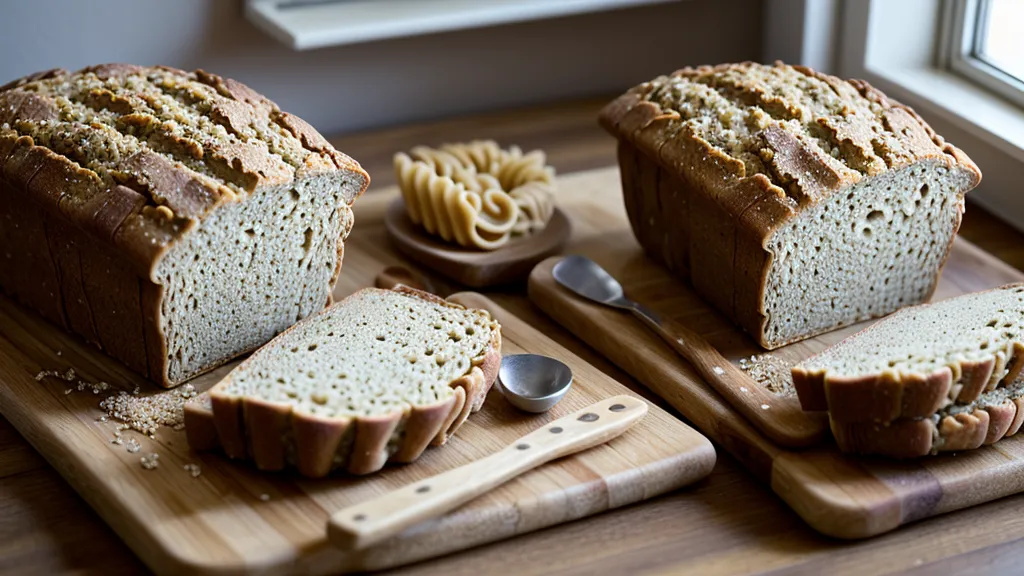
The method is dull, but it works. Same food, same portion, same timing after eating, then compare the result against whatever you swapped out. If the number barely moves, the swap earned nothing, no matter how virtuous the packaging looked.
Not every experiment was mine to design. A meal-kit service marketed at people with diabetes looked like a shortcut, so I subscribed. Every dinner tasted like cardboard. Worse, the "diabetic-friendly" badge told me nothing about how my own body would react to any single meal. A badge is not a reading.
What the glycemic index number actually tells you
The Glycemic Index (GI) ranks foods against pure glucose, which is the reference point at 100. The goal is generally to stay under the low-GI threshold of 55. Here is the thing the front of the box won't say: many whole wheat products still land in the 60s or 70s. For my body, "better than white bread" was nowhere near good enough.
My college friend Noel Takemoto, who lives in Bellevue now, is the one who pushed me to track glycemic load instead of GI alone—think of it as a portion-size budget, where you can afford the expensive shoes if you save elsewhere, but not the shoes, the handbag, and the matching coat in one day.
Then there was the office cupcake. A coworker offered me one after a project launch, and I lied about being full. I wanted it so badly my teeth ached, and I also knew how flat I would feel afterward. Those breakroom moments, and the social math behind them, are the subject of my corporate potluck survival guide.
When raw vegetables backfire
Once grains looked like the enemy, I overcorrected. The plan was bowls and bowls of raw vegetables. Instead my readings turned erratic, and I felt bloated and puffy most days.
Look, here is the thing I haven't seen in many books: eating raw greens for glycemic control didn't work for me. Raw kale and broccoli in bulk left my numbers all over the place and my stomach unhappy.
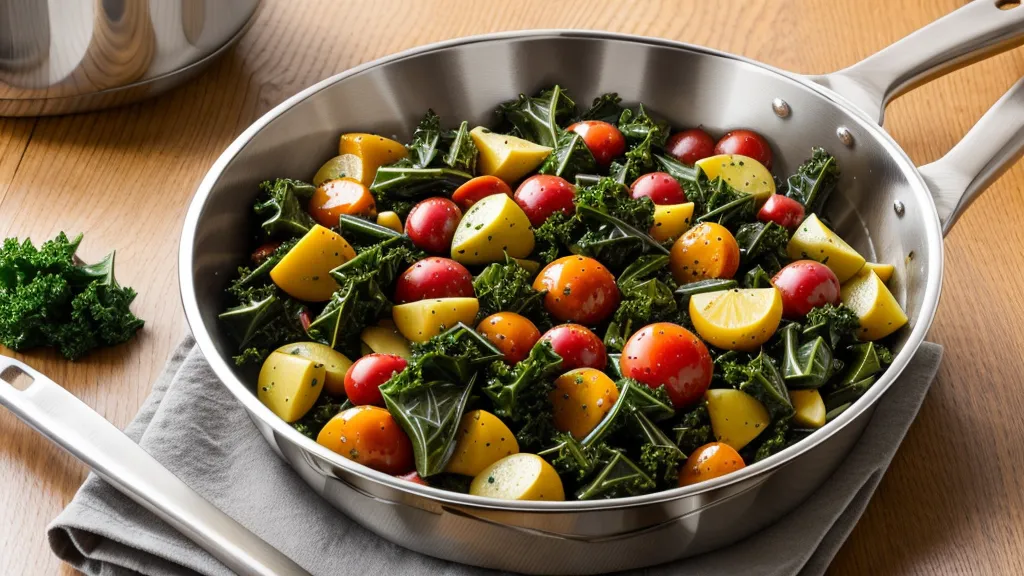
Steaming, sautéing, and cooking the greens down changed that. I can't tell you why. I'm not a medical professional and have zero medical training, so please talk to your own doctor before you overhaul your fiber intake. What I can tell you is what showed up on my meter. I even picked up a few of the tools for my suburban kitchen lab so measuring and prepping stopped being such a headache.
Barley, pulses, and the low-GI cooking swap that stuck
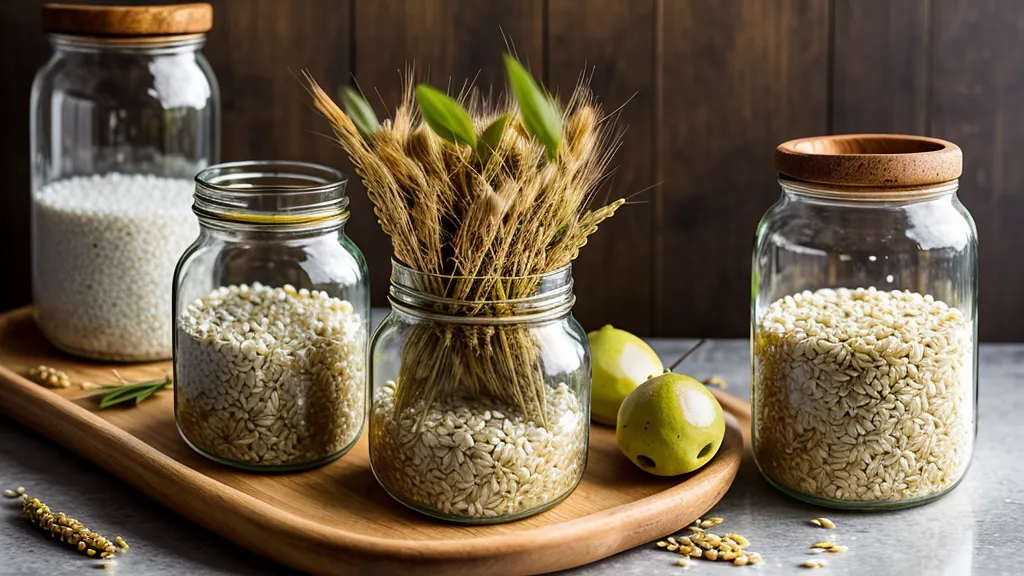
The alternatives I finally trusted were pearled barley and pulses. Barley's GI of about 28 is the number that opened this piece, and it is why the pot on my stove looks so different now. Toasted in a dry pan before the vegetable stock goes in, it reads like dinner, not diet food.
Oat bakes came next. On the first fold, the sticky batter clung to my wooden spoon and pulled back like it had opinions. I won't pretend that felt like a sacrifice. It felt like winning a small argument.
Look, I still miss white bread more than I will ever admit publicly. At the Trader Joe's on Roosevelt Way NE, I slow down in front of the bread shelf and stare longer than a grown woman should. Then I move along to the pulses.
How do I pick foods for prediabetes management?
Three checks, always in this order. First, flip the box over and ignore the front; "whole wheat" is a marketing phrase, not a GI number. Second, ask whether the portion I will actually eat is realistic, since that is the glycemic-load half of the question. Third, test it—same portion, same timing—and if the meter climbs, the food is out, whatever the label promised. Take the stone-ground crackers from the evening this all started: organic, pricey, and loud about their health benefits. They fail check one before I ever get to check three.
Energy levels evened out across my workday once pulses, barley, and cooked-down greens became the base of my meals. The jeans banished to the back of my closet finally zipped while I was standing up—no bed, no deep breath, no negotiation. Corporate wellness brochures are written for people whose engines still run perfectly. Mine needs a specific grade of fuel and a lot more maintenance.
If you are standing in your own kitchen, staring at a box of crackers and feeling like a failure because your "healthy" choices aren't working, you are not alone. It is trial and error, and some days I still get it wrong. I've written more about this shift in my post on why I stopped hiding my prediabetes. It's not the life I planned, but at least I'm the one holding the map now.