
Sourdough rolls from the good bakery downtown smell identical whether or not a body can handle the carbs in them. That's the maddening part of catering a corporate lunch when you're prediabetic and also the one who approved the catering budget. A low-GI lifestyle built around a full meeting calendar comes down to two workable strategies, and neither one is glamorous: eat what's on the table and strip it down, or skip the spread and bring your own instead.
Nobody puts that math in the corporate-wellness handbook, and it's the difference between a foggy afternoon slump and one where I can actually track what's happening in a budget review. Getting to that point took a while, and it started with a strategy that flopped completely.
Two Ways to Survive a Catered Lunch
For a while I tried the rigid version of fixing this — three meals a day, no snacks, treated like a strict schedule instead of an actual strategy. It backfired within days. I ended up raiding the vending machine on the third floor because I'd starved myself into submission by midafternoon, which is close to the opposite of what someone managing blood sugar is supposed to do.
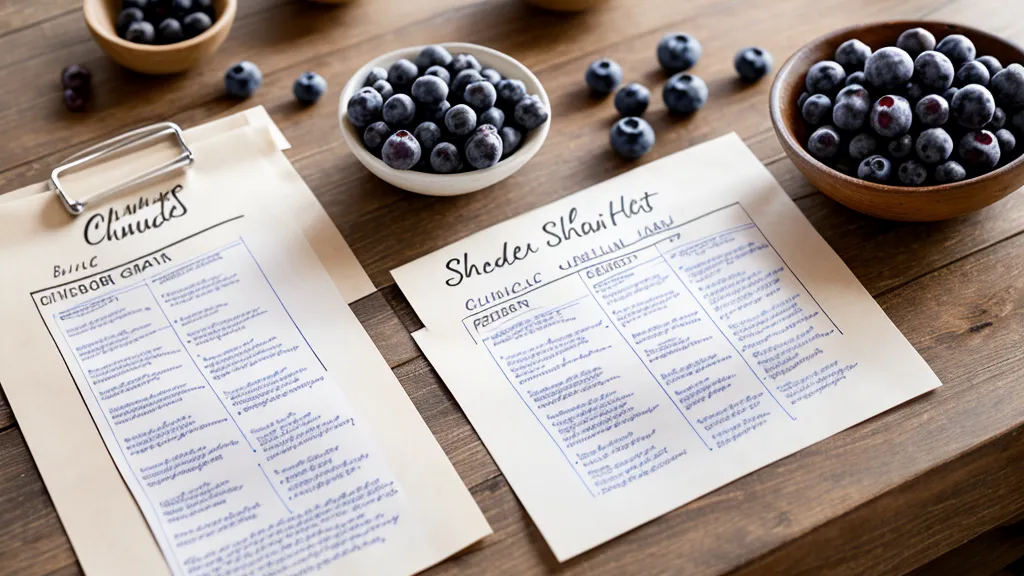
What actually stuck was closer to triage — figure out which part of a given meal spikes me, then swap or skip just that part. I laid out the mechanics of that in The Stained Cheat Sheet: How I Finally Mastered Glycemic Index Without a PhD if you want the fuller version. In short: a sandwich-chips-cookie catered tray can tip a person into postprandial somnolence — the food coma that makes an afternoon meeting feel like wading through mud, and glycemic load is the number I actually pay attention to now, not just how virtuous a wrap sounds on the label.
Working the Low-GI Angle on What's Served
Approach one is damage control on whatever's already on the table. Pizza days mean eating the toppings off two or three slices and skipping the crust — deconstructing, essentially — paired with anything green stashed in the office fridge. A taco bar turns into a taco salad, heavy on beans and guacamole, light on the flour tortilla.
Learning the basics of preparing dried beans at home and keeping a small container in a desk drawer has made this so much easier — a scoop added to whatever salad shows up covers the protein-and-fiber gap most catered greens leave wide open. There's also a small vinegar trick tucked in that same drawer: a diluted shot before a carb-heavy tray, something picked up after reading about how to use apple cider vinegar to lower post-meal glucose. It tastes rough, no way around that. But between the beans and the vinegar, a pizza lunch stops being something to pay for an hour later.
Bringing Your Own Instead
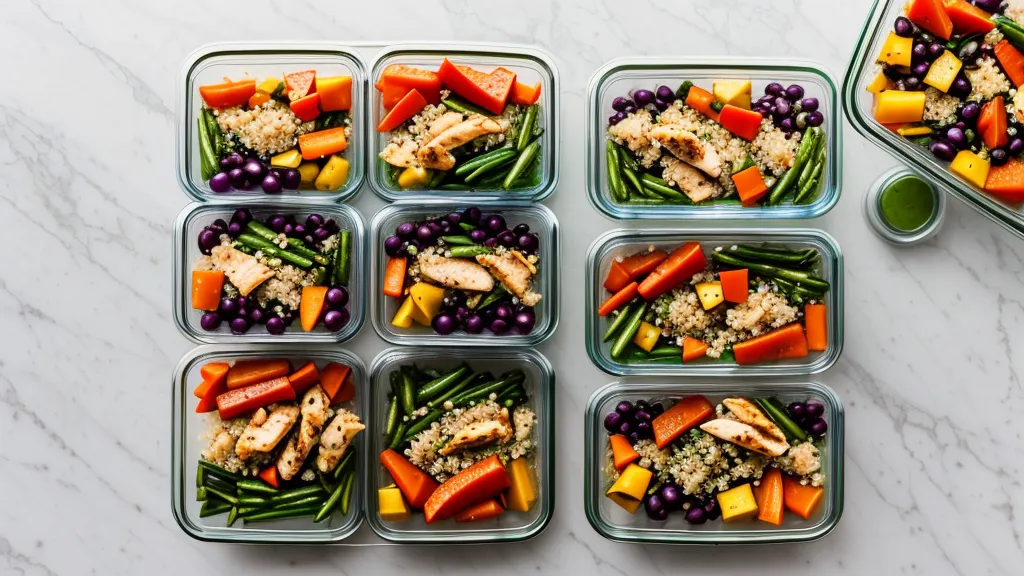
The other option skips the negotiation altogether. My kitchen turns into a low-GI production line most weekends — cauliflower roasted in trays, chicken grilled and shredded thin, steel-cut oats measured out because the instant version spikes me almost as fast as cereal does. Dried lentils and those oats live in a row of jars on the open shelf above the counter, labeled in handwriting only I can fully read.
Four stools sit at the counter that nobody uses during prep, and the window over the sink looks out at a birch tree in the backyard. Lentils soak in a bowl by that window some mornings, and there's something almost meditative about the sound of drizzle against the glass while they sit. A corkboard above the counter holds printed GI charts and sticky notes that would probably embarrass an actual dietitian. My neighbor Greta gardens like it's a competitive sport, and she's been known to leave a bag of whatever her garden is drowning in that week on my porch without warning — which is how part of my Sunday prep ends up being "figure out what to do with this" instead of following any plan. I wrote up the full version of the process in My Sunday Survival Guide: How I Prep a Week of Low-GI Meals Without Losing My Mind, including how the fridge gets organized so Monday doesn't ambush me.
Which Approach Actually Holds Up by Friday?
Both approaches work, technically, just differently depending on the week. Four HR meetings back to back on a Friday once, and not once did that jittery, watch-the-clock crash show up that used to hit by the third one — that was a bring-your-own week, food fully planned before Monday started, and it showed.
Deconstructed-lunch weeks are shakier by comparison, because they depend on actually having the willpower to peel bread off a sandwich in front of a CEO instead of just eating it. A reader named Corbin, who started out disagreeing with me in the comments under a cauliflower rice post and now sends monthly updates by email, pushed back hard once on the idea that stripping down catered food is ever really "enough." He's not entirely wrong. On the weeks I skip the Sunday kitchen shift, the deconstructed version is damage control, not a real fix. One thing helps regardless of which camp a given week falls into: treating a walk after a big catered lunch as something that goes on the calendar, not as exercise there's no time for — a lap of the floor between meetings does more for how the next hour feels than most people expect.
The Rule I Use to Decide
So here's the actual rule, since "it depends" isn't useful advice on its own. If a catered lunch is locked in and there's no control over the menu — a client visit, a last-minute all-hands, a "thank you" pizza day — the deconstructed approach wins, no guilt attached to the parts that can't be controlled. If there's any real say over the calendar at all, even one evening free to prep, bringing my own wins by default, because it removes the willpower question instead of testing it at a conference table.
That's the whole decision tree, and it's not sophisticated. A colleague who'd clocked my odd desk lunches once asked what I was actually doing about supplements, since she'd noticed a mention of my Sugar Defender review in passing — I told her what I'd tell anyone: talk to your own doctor before adding anything, this isn't a recommendation, just a record of what got tried. Most days this isn't about supplements at all, though. It's about whether the sourdough on the tray gets the full slice of attention or just the memory of one. That bread is still missed more than will ever get admitted out loud. But peeling it off a sandwich gets easier every time there's a real alternative sitting in the fridge instead of just willpower standing between a person and the bread basket.