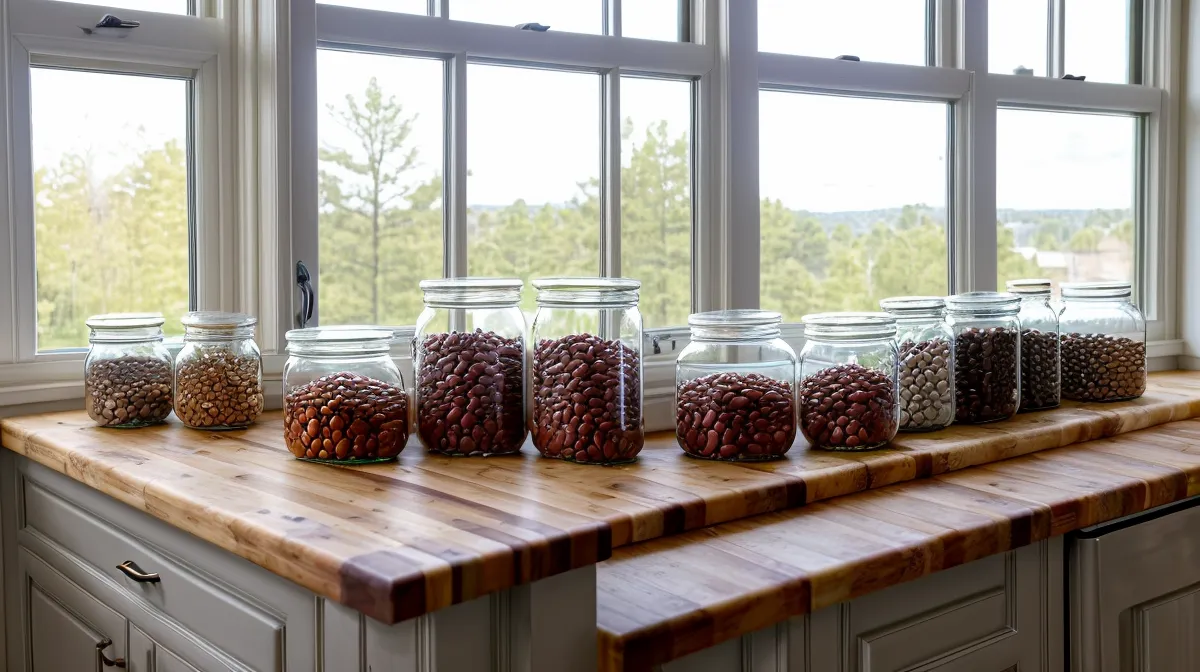
The beans I made this week still hold their shape when I bite into one — a small, unglamorous fact that turned out to matter more than any supplement bottle on my shelf ever did. That single detail is basically the whole story behind how I do low-GI cooking now: less about a magic ingredient, more about texture, timing, and how much resistant starch a legume builds up between the pot and the fridge. Prediabetes rearranged my whole relationship with a grocery list, and legume prep — dried beans specifically — became the one habit that consistently moved my numbers in the direction I wanted.
Before beans became a system, I tried the version everyone tries first. Keto lasted three weeks in my house, and by day ten I was miserable enough that my family noticed before I said anything out loud. I don't say that to knock anyone who does well on it — I just wasn't built for it, and pretending otherwise cost me more than it gave back. What actually stuck was smaller and far less dramatic: paying attention to how one ingredient, cooked two different ways, could produce two different numbers on my meter.
There's a specific kind of quiet that happens when a nurse practitioner stops mid-sentence and looks at your chart a beat too long. That pause is what convinced me this wasn't a phase I could out-stubborn — it's also roughly when I stopped feeling guilty about failing a test I didn't know I was taking and started treating my own kitchen like a place to run experiments instead. These are the questions people actually ask me once they hear I stopped buying canned beans.
Canned Beans and Dried Beans Are Not Metabolically Equal
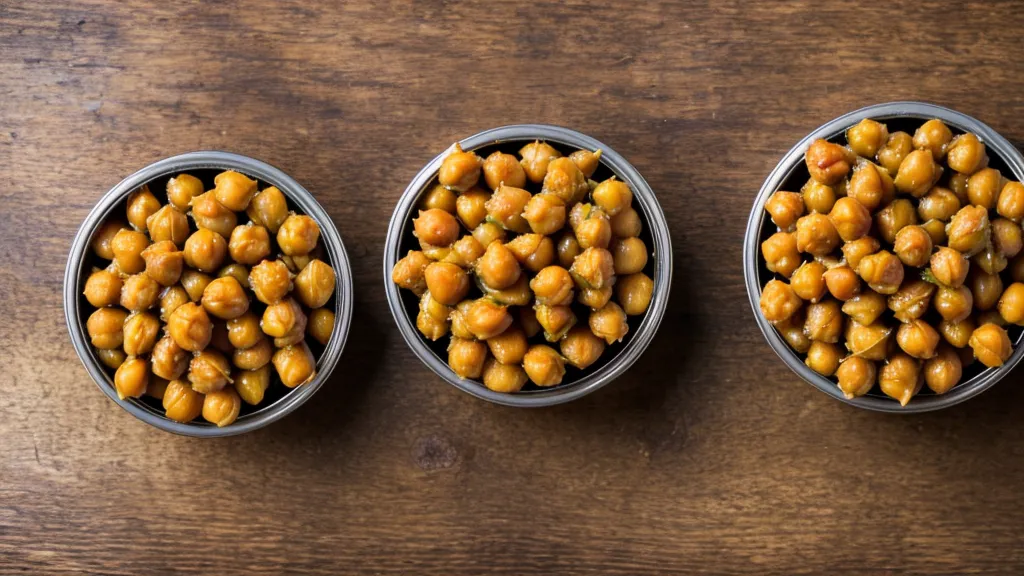
Canned chickpeas and dried chickpeas are not the same food once they hit your bloodstream, even though they look identical in a salad. Dried chickpeas cooked from scratch land around a glycemic index of 28, according to the University of Sydney's Glycemic Index Database — canned chickpeas test closer to 42. That gap comes down to processing more than ingredients: the high-heat sterilization used in canning breaks the starch down before it ever reaches your mouth, a process food scientists call starch gelatinization, which is really its own topic and worth reading up on separately if you want the full mechanism. For my purposes, the practical takeaway was simpler — the fiber I was counting on (a cup of cooked black beans carries around 15 grams, much of it soluble) behaves differently depending on how intact the starch structure still is when I eat it. Glycemic Index numbers only tell part of that story, but they told me enough to stop buying the cans.
Does a Longer Soak Actually Lower the Glycemic Response?
My first instinct was to over-correct — a 24-hour soak, because if some soaking helps, surely more soaking helps more. My glucometer disagreed. The long soak broke down the bean's cell structure so much that by the time it cooked, the starch was fully exposed and digested fast, and the reading after that meal came in higher than I expected. What worked better was a quick-boil: rinse the beans, cover with water, bring it to a rolling boil for two minutes, cut the heat, and let them sit covered for an hour before switching to a gentle simmer. The goal is a bean that's tender but still has a bit of resistance when you bite it — if the skins are splitting and the inside has gone soft all the way through, you've cooked past the point that keeps the response lower. Texture, in this case, is the whole instruction.
The Resistant Starch Question Corbin Keeps Emailing Me About
A reader named Corbin emailed me, skeptical that temperature could matter that much for a pot of beans — he's not an easy person to convince, which is exactly why I paid attention to the question. Cooking dried beans and then cooling them fully before eating measurably raises their resistant starch content and lowers the glycemic response compared to eating them hot — the same idea behind the cold potato method for resistant starch, just applied to legumes instead of tubers. I won't try to explain the mechanism at the molecular level here — that's its own article's job — but the practical result held up every time I checked it against my own meter. Glycemic load, for what it's worth, is a related but different number that factors in portion size on top of the index, which explains why two "low-GI" foods can still behave differently depending on how much ends up on your plate.
My Kitchen Lab Protocol for Low-GI Beans
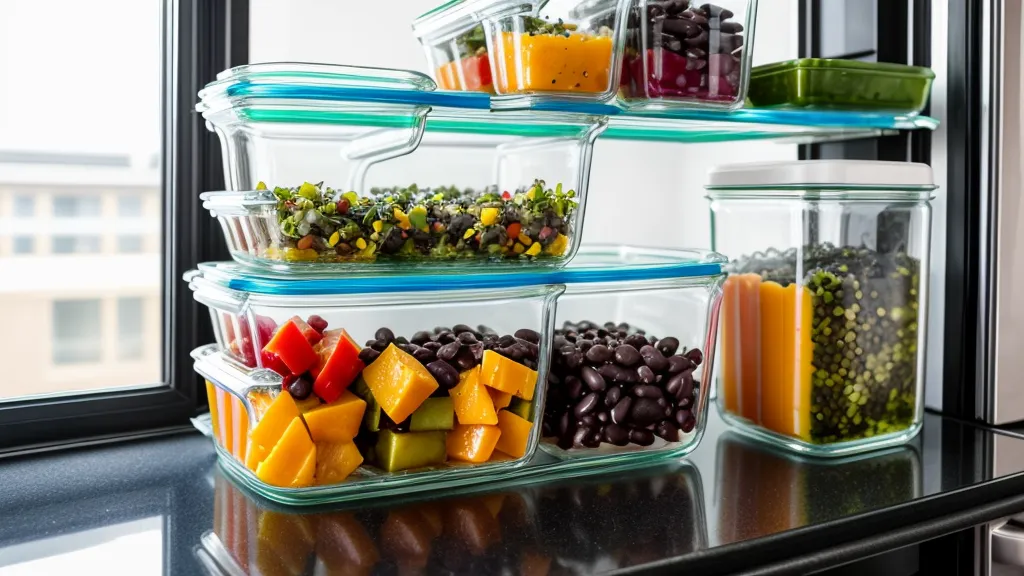
Here's what I actually do now, without pretending it's a clinical protocol — it's just what has worked for my own numbers, and your body may respond differently, so talk to your own doctor before making big changes. I buy chickpeas, black beans, and kidney beans in bulk, usually from the QFC on Aurora Avenue North, because those three test lowest on the index and I go through enough of them that small bags stopped making sense. Skip the long soak. Rinse the beans, bring them to a full boil for two minutes, cut the heat, and let them sit covered for an hour before you start simmering — that hour does most of what a 24-hour soak claims to do, without softening the structure too far. Simmer until the beans are just tender, not falling apart, then drain them and move them straight into glass containers in the fridge for at least twelve hours before you plan to eat them; that chilling window is the non-negotiable step, since it's what builds the resistant starch that keeps the response lower. When you're ready, reheat gently — a hard boil at this stage undoes some of what the chilling accomplished. This whole routine is also the backbone of my Sunday survival guide, since batch-chilling beans on a Sunday means I'm not improvising on a Tuesday night.
Is This Too Much Work for a Pot of Beans?
My neighbor Greta asked me this standing in the driveway, arms crossed, clearly ready to be unimpressed — she's suspicious of anything that smells even slightly like a diet, and a soak-then-chill schedule for beans sounds exactly like that kind of thing. The honest answer is that it's maybe ten minutes of hands-on time spread across two days, mostly waiting, which is different from effort. You're not standing over a pot; you're rinsing beans, walking away, and checking a container in the fridge before dinner. What it does ask for is planning a day ahead, which is a harder sell than the actual labor. Greta still thinks I'm being dramatic about a legume. She's also noticed I stopped complaining about my afternoon energy, which she hasn't quite connected to the beans yet, or won't admit she has.
Trade the Convenience, Keep the Bite
Some days the trade still stings a little. I miss a thick slice of sourdough more than I'll admit out loud in a work meeting about wellness benefits, and no amount of resistant starch fully replaces that. But the measurable difference between a can and a pot of beans I planned two days ahead has been more useful than almost any other food swap I've made since the diagnosis. If you're starting from a stack of canned beans in your pantry, the shift doesn't have to be dramatic — swap one meal at a time, keep the texture firm, and give the fridge step a real chance before deciding whether it's worth it for you. That's the actual rule, not a feeling: cook it firm, chill it fully, then judge the result on your own numbers instead of on how virtuous the process felt.