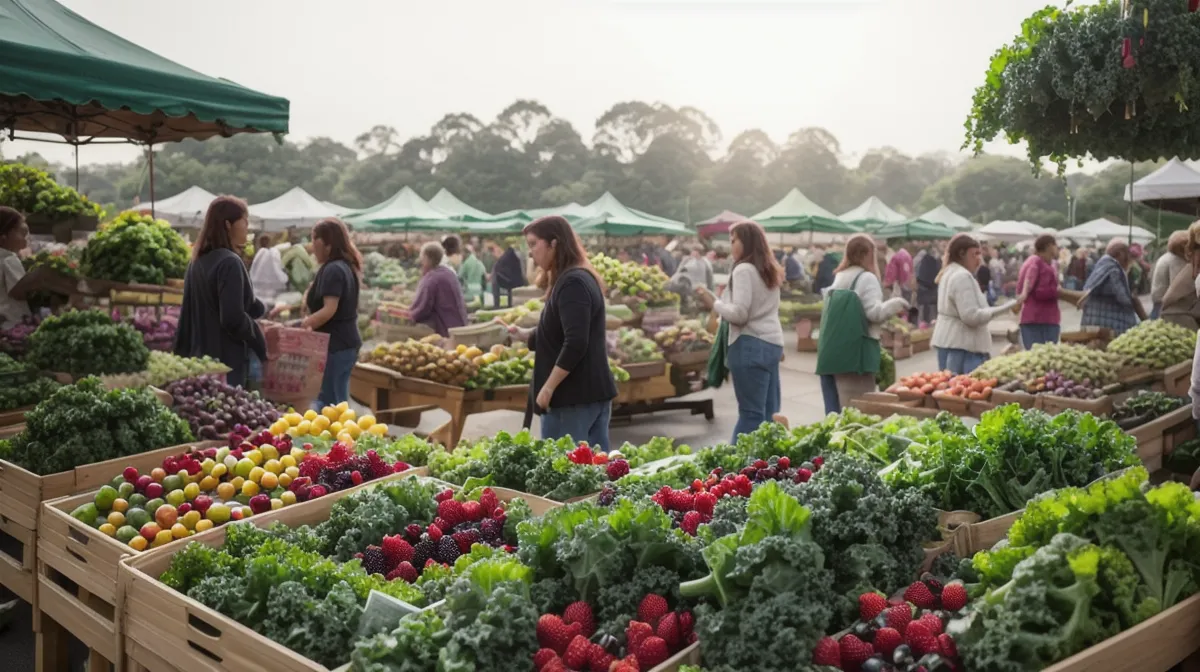
112. That's what showed up on my glucometer forty minutes after a bowl of riced cauliflower from a stall at Pike Place Market in Seattle, sitting right next to the 156 I'd logged three days earlier after the same-size bowl made with jasmine rice from the same vendor. Same portion, same plate, wildly different number. That gap is the whole reason I stopped treating a farmers market as an automatic win once I got a prediabetes diagnosis. Local and fresh sounds like the low-glycemic choice by default. It isn't automatically. Somewhere in the HR trainings I used to help run, we'd have called this "assuming the label does the thinking for you," and I fell for it just as hard as anyone in the wellness program I technically worked for.
Here's the process I use now, stall by stall, and it isn't complicated once it's a habit. I tried the extreme route first, three weeks of keto with no exceptions, and by day ten I was miserable enough that I ate a sleeve of crackers standing over the sink and didn't feel bad about it. What actually stuck was smaller: a set of questions I ask before anything goes in my tote bag, plus a short list of what I skip walking past without a second look.
Read the Season Before You Read the Chart
Fruit at a farmers market is not the same fruit sitting in a grocery aisle, and that difference matters more than any chart I could print out. Grocery produce gets picked early and finishes ripening in a truck or a warehouse; market fruit stays on the branch until a farmer decides it's ready, which means more of its sugar has already converted by the time it lands in your hand. That single fact turns picking fruit into a stall-side judgment call instead of something you look up later — smaller, firmer, less fragrant usually means less converted sugar, and a farmer will tell you straight if you ask which variety came off the tree last.
My neighbor Greta, across the cul-de-sac, grows enough zucchini and tomatoes in her backyard to hand off grocery bags of it unannounced, and even her produce behaves differently depending on when she picks it. A tomato pulled early tastes different than one she let sit two extra days — same plant, same soil, different sugar. Farmers market vendors are working with that same variable at a bigger scale, which is exactly why asking the grower matters more than whether the sign says organic or local in the first place.
What Actually Counts as Low-Glycemic at a Market Stall?
The Glycemic Index ranks how fast a food raises blood glucose on a scale that tops out at 100, and most of what's genuinely useful at a market stall sits well under the 55 mark most people aim for. The index alone can still mislead you, though, because it ignores portion — that's where the Glycemic Load comes in, factoring in how much of the food you're actually eating, and a load under 10 is the number I watch while I'm filling a bag. A small handful of cherries and a heaping one can land in completely different territory even though the index number never changes.
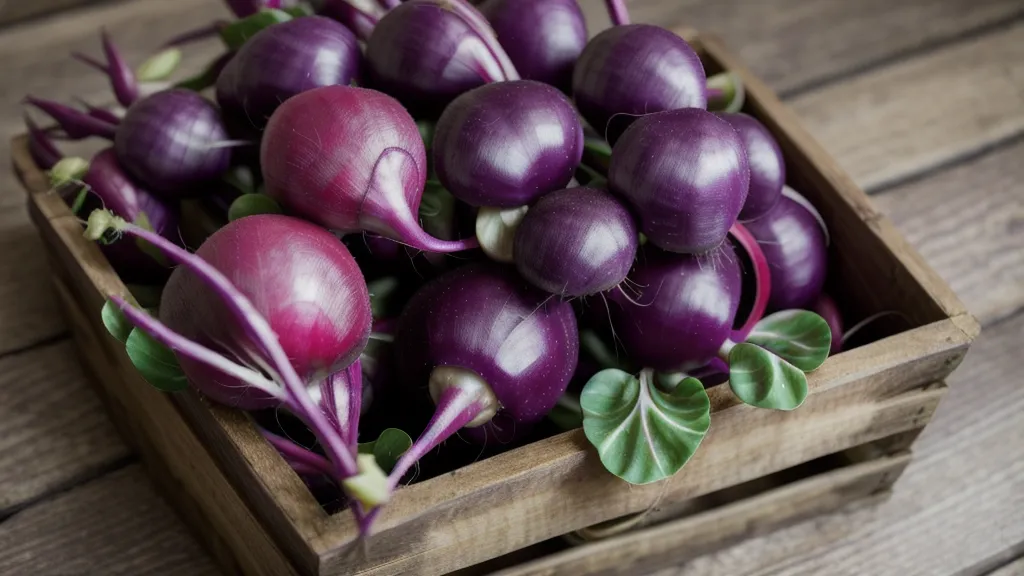
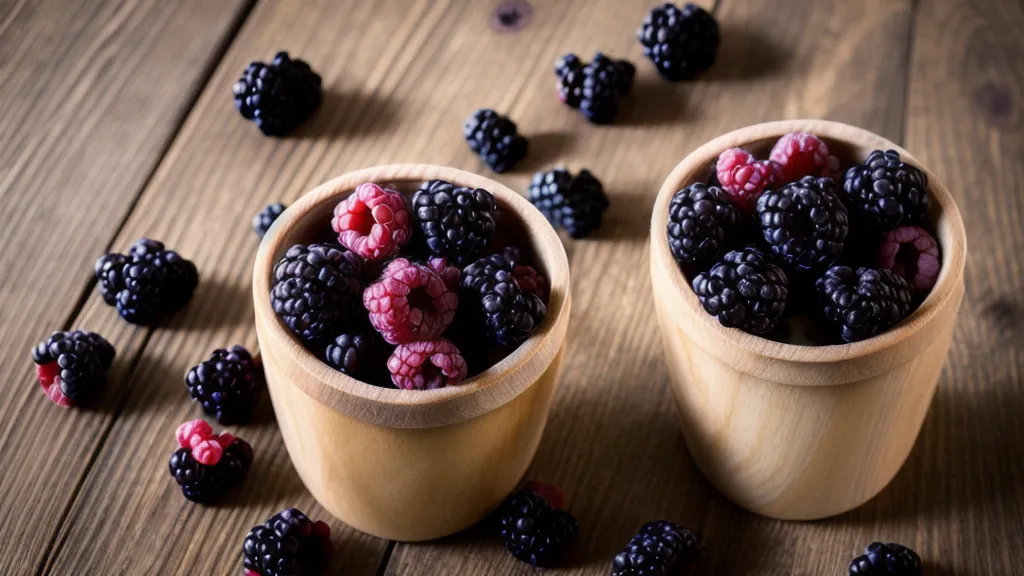
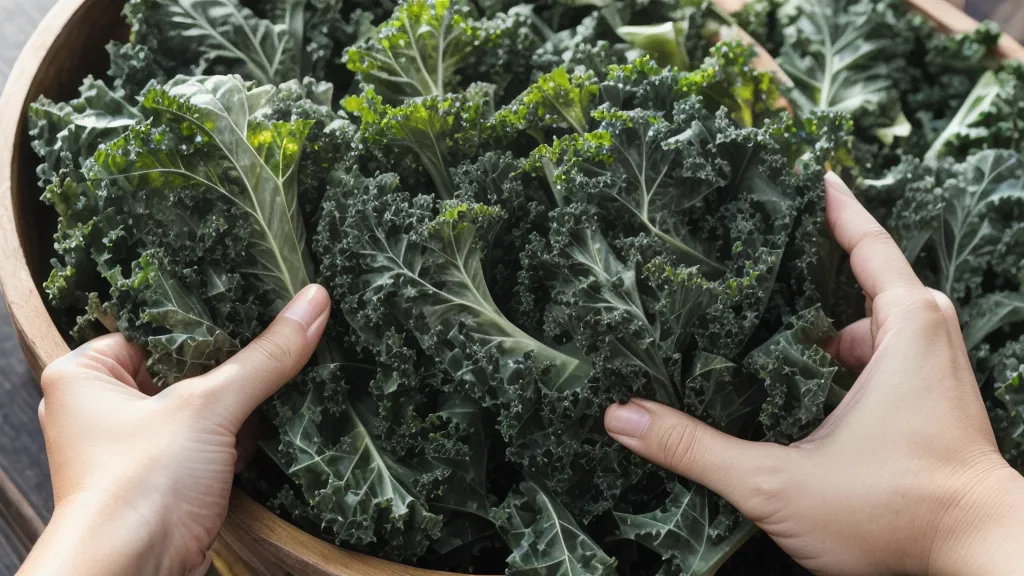
Leafy greens and root vegetables are where I load up without much math — kale, mustard greens, dandelion greens, and the peppery purple radishes that replaced my old toast habit all sit low on both measures. Berries come next, ahead of nearly every other fruit at the market; they carry enough fiber relative to their sugar that they behave differently in the body than a peach or a plum of the same size, which is the short version of what soluble fiber is doing in the background every time you eat one. For the longer explanation of how fiber changes the math on a plate, I wrote up How to Add Fiber to Meals for Better Blood Sugar Stability Daily after I started paying attention to it.
The Three Questions I Ask Every Vendor
Three questions handle most of the guesswork now, and I ask some version of them at nearly every stall. First: how long has this been off the plant, since anything picked within the last day behaves differently than something that sat in a cooler since last weekend. Second: is this the sweet variety or the tart one, because most growers carry both and will say so if you ask instead of grabbing whatever's front and center. Third: what would you eat this with, which sounds like small talk but usually gets a farmer talking about pairing fruit with something fatty or savory — cheese, nuts, a hard sausage — which is the same principle behind pairing protein with carbohydrate that keeps a piece of fruit from hitting all at once instead of easing into it.
Foods I Leave at the Stall (For Now)
Some stalls I walk past entirely, and it isn't because the food is bad — it's because I already know what it does to me. Stone fruit at peak ripeness, the honey vendor, the jam table with a dozen open jars for tasting: all of it is capable of sending a fast, sharp rise that shows up on a glucometer within the hour. Preserves are the sneaky one, since a jar labeled "small batch" or "no additives" can still carry more sugar per spoonful than anything in a cereal aisle, and a handwritten label doesn't come with a nutrition panel forcing it to say so. Swapping the jam for a plain herb bundle or a bag of greens stops feeling like a sacrifice once you've made the trade often enough — it just becomes a different shopping list.
Kettle corn is the one stall I still can't walk past without a pang — the smell alone does something to me, diagnosis or not, and I won't pretend otherwise. A reader named Corbin Weathersby, who started emailing me after he disagreed with something I wrote about cauliflower rice, pushed back hard on the idea that anyone could give that stuff up without misery, and honestly, he wasn't wrong to push. What changed wasn't willpower so much as having somewhere else to point my hands, which most weeks is the new-potato bin. Cooling cooked potatoes before eating them changes how the body handles their starch — a whole topic on its own I won't get into here — but it's worth knowing a starchy vegetable isn't automatically off the table if you handle it right.
Building a Bag That Won't Wreck the Afternoon
By the time I'm walking back to the car, my bag looks about the same most weeks: greens, radishes or another root vegetable, a small container of berries, a bundle of herbs, and maybe one splurge item I already planned for instead of grabbing on impulse. That last part matters as much as any of the numbers — deciding on one thing ahead of time, instead of negotiating with myself at the honey stall, keeps the whole trip from turning into a mid-morning battle. Back home, most of what I bought gets logged against the same running list pinned to the corkboard in my kitchen, already covered in printed charts and notes from months of testing things out, and it lines up with The Low-GI Grocery List I Bring to Every Costco Trip After My Prediabetes Reality Check more than I expected it to when I started keeping both.
If there's one rule I'd hand to someone just starting this, it's to treat every stall as a question, not a guarantee: ask how long it's been off the plant, ask which variety is on the table, and decide before you're standing in front of the kettle corn what you're actually there for. A farmers market can absolutely fit into eating for a prediabetes diagnosis — it just doesn't get to skip the same scrutiny as anything else, no matter how many times the word "natural" gets printed on a hand-lettered sign.