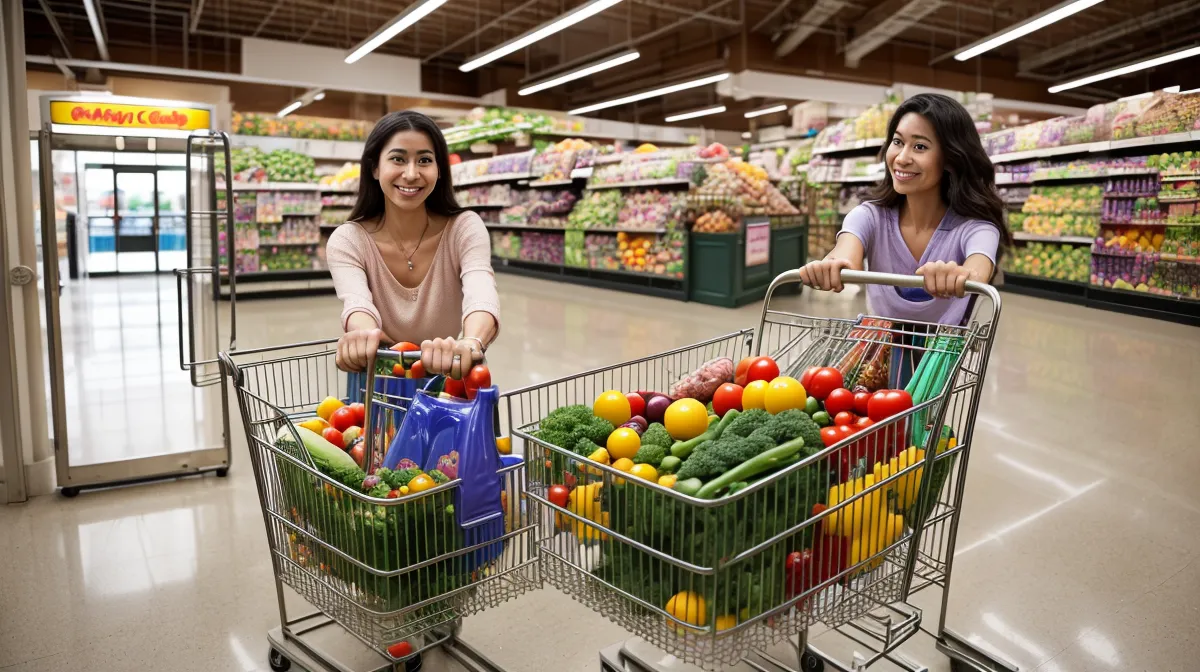
My cart wheel catches on a seam in the concrete at Costco, and I don't look down — I'm too busy comparing fiber grams on two bags of frozen stir-fry vegetables, one in each hand, because this is what grocery shopping looks like now that I'm managing prediabetes: math happens before anything lands in the cart, not after. This is the low-GI grocery list I actually use, built from a string of blood sugar numbers that didn't move the way I expected, and it has almost nothing to do with the tidy diet advice I used to write for other people.
Here's the myth that almost cost me a second bad A1C reading: cut the obvious sugar, and the rest takes care of itself. I believed it completely. Soda gone, the office birthday cake skipped, syrup out of my coffee — and I kept my usual sandwich bread, a side of pasta most nights, a scoop of rice next to whatever protein I'd made. My next appointment did not go the way I expected.
Why "Just Cut the Sugar" Is Bad Advice for Prediabetes
My nurse practitioner didn't lecture me about it. She went quiet instead, pen stalled over the printout, one finger resting on the line where my A1C had ticked up instead of down. That silence told me more than a full appointment of talking would have, and it's the reason I started paying attention to the parts of my plate that never tasted sweet.
Sugar is the obvious carbohydrate. It is not the only one. White bread, white rice, and most pasta break down into glucose almost as fast once they're inside you — glycemic index and glycemic load both matter more than a plain "no added sugar" label ever will, and that's a rabbit hole worth its own read elsewhere. For a grocery cart, here's what actually matters: if a food turns into sugar quickly, it acts like sugar, ingredient label or not.
Fatima Idrissi, who sits two desks over from me, brought a pot of harira to the last office potluck — tomatoes, lentils, warm spices, nothing that looked remotely like dessert. Next to it sat a sheet cake nobody blinked at twice. That's the trap. We've all been trained to side-eye the dessert table and wave the bread basket through without a second look, and the bread basket is exactly where my old plan fell apart.
The Low-GI Staples in My Costco Cart
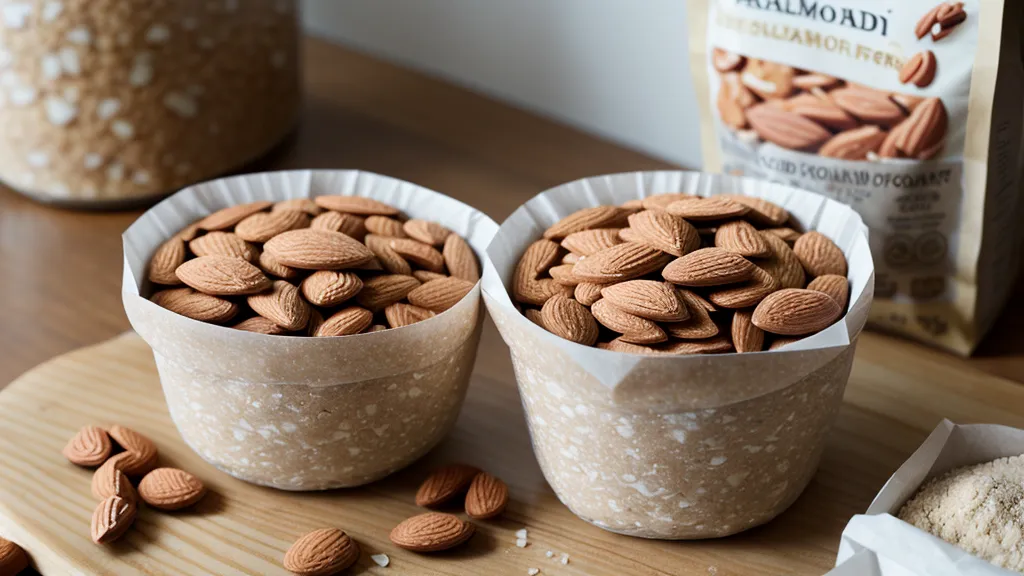
When I make it to the warehouse now, I go straight for a short list, the one that's replaced the reflexive stuff I used to toss in without reading anything. Trading white flour for alternatives was the biggest shift, and the first time I hauled a 3-pound bag of Kirkland Signature almond flour into my cart, it felt heavier and grittier than I expected through the plastic — nothing like the light, airy loaves I used to grab without thinking. That almond flour makes muffins now that don't leave me shaky and starving an hour later, which is more than I can say for the bread it replaced.
The other staple is the 20-count Kirkland Signature organic hummus, individually portioned, which matters more than it sounds like it should when the office breakroom is full of donuts and I need something I can grab without overthinking it. Paired with cucumber or bell pepper, the fat and fiber combination keeps me steadier than plain crackers ever did. Walnuts and chia seeds come home in bulk too, and I've written before about how to add fiber to meals for better blood sugar stability daily — those two are most of how I actually do it, without turning every meal into a production.
Does Frozen Really Beat Fresh for Blood Sugar Control?
Fresh produce gets treated like the obvious answer in most food advice, and I used to believe that too. Then I started paying attention to what actually happens between a Seattle grocery shelf and a field clear across the country. By the time so-called fresh broccoli or berries reach us, they've usually been sitting in transit long enough to lose some of what made them useful in the first place.
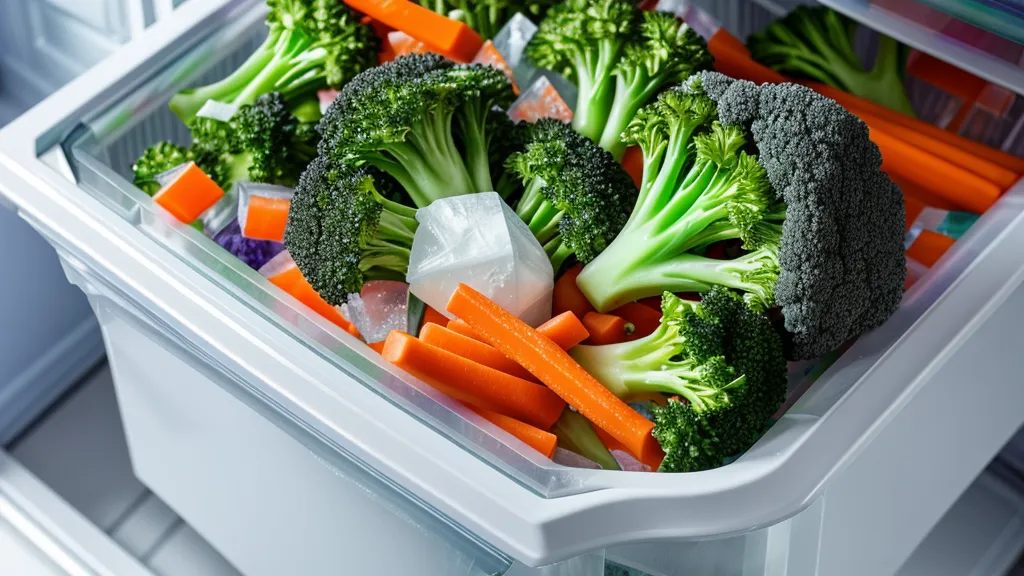
Flash-frozen vegetables get locked in close to where they're grown, so the fiber structure and the parts that help my body process them stay more intact than in a lot of the "fresh" produce that's been sitting on a shelf for a week. My freezer stays stocked with the giant bags of organic broccoli and stir-fry blends for exactly that reason. On a long day of back-to-back meetings, I can throw a bag in a pan with some protein and know roughly how my body will handle it — no guessing game, no surprises an hour later.
Read the Cart Like a Grocery List, Not a Diet
A reader named Lynda Ostrowski emails me every so often, usually with a photo of a receipt attached. She likes comparing what the same low-GI swaps cost her at Trader Joe's versus Safeway on a given week, and it's turned into its own small education for both of us — the same bag of lentils or the same avocado behaves completely differently store to store, week to week, in ways neither of us can fully predict.
Everything I bring home gets unloaded onto the counter under the window that looks out at the birch tree in the backyard — the same window I stand in front of most mornings without really seeing it anymore. There's a corkboard above that counter now, pinned with printouts and notes I wrote to myself back when all of this still felt unfamiliar, and a shelf nearby holds jars of lentils and steel-cut oats where cereal boxes used to sit. I wrote more about that shift — about why my kitchen lab beat the official nutrition guide — if you want the longer version of how a glucometer ended up teaching me more than any wellness handout ever did.
None of this makes me immune to a kitchen disaster. My first attempt at almond-flour pancakes had the texture of wet sand, and I choked down exactly one bite before scraping the rest into the compost. Low-GI doesn't mean automatically edible, and pretending otherwise would be its own kind of myth.
So here's the actual rule, the one I wish somebody had told me before that quiet moment with my nurse practitioner: cutting sugar is necessary, but it isn't sufficient, not if the refined carbs sitting next to it stay exactly the same. Before anything goes into my cart now, I ask one question: does this replace a refined-carb staple, or does it just avoid added sugar and call it done? If it's only the second one, it doesn't count as a fix. Not even close. None of this replaces an actual conversation with your own doctor about your own numbers, but the myth needed correcting: the sugar bowl was never the only problem, and the bread basket had been hiding in plain sight the whole time.