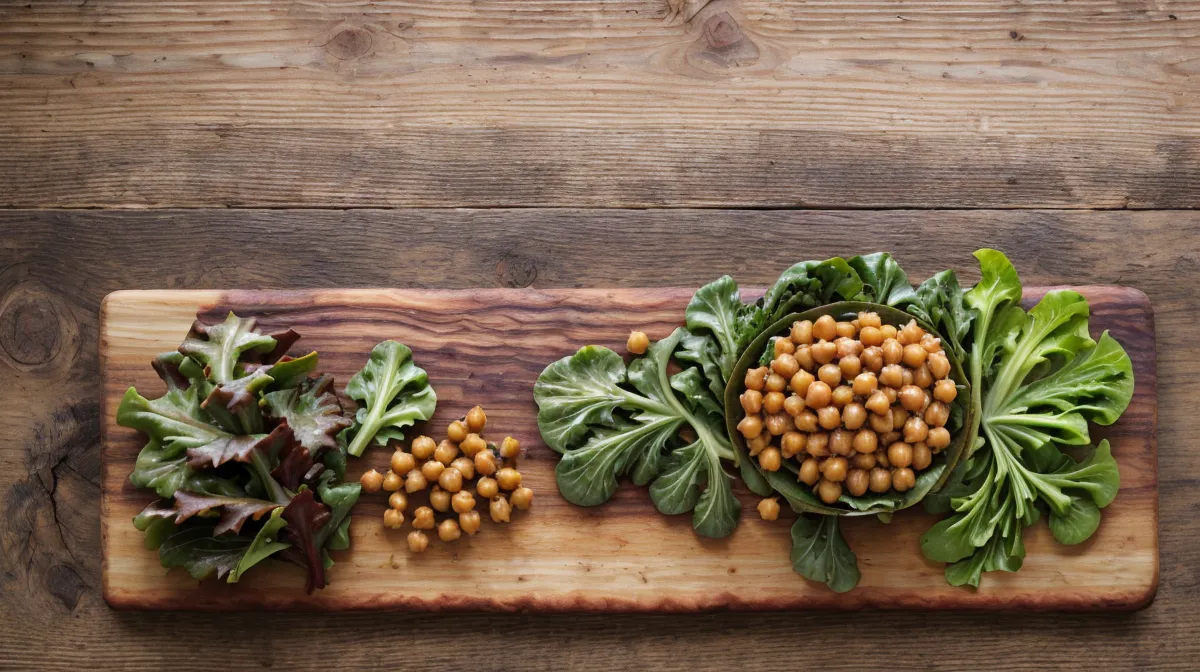
The rice has been cooling in the bowl for twenty minutes and I still haven't touched the second half, not because it tastes bad but because I'm watching a glucometer by my elbow like it's about to hand down a verdict. This is a normal weeknight now: a low-GI diet experiment running in my own kitchen, months after I failed my own company's wellness screening while helping run it for everyone else. That first number came back at 5.7%, right on the CDC's prediabetes line. I get asked the same handful of questions once people hear about any of this, so let's just go through them.
Quick disclosure before we go any further: a few of the links below are affiliate links, and if you click through and buy something I earn a small commission at no extra cost to you. I only mention products I've actually used at my own counter, not things I picked off an ad. None of this replaces a doctor, and none of it should. I'm not one, just someone who had to learn this the hard way, so please check with your own before changing anything based on what worked for me.
Wasn't Brown Rice Supposed to Be the Safe Choice?
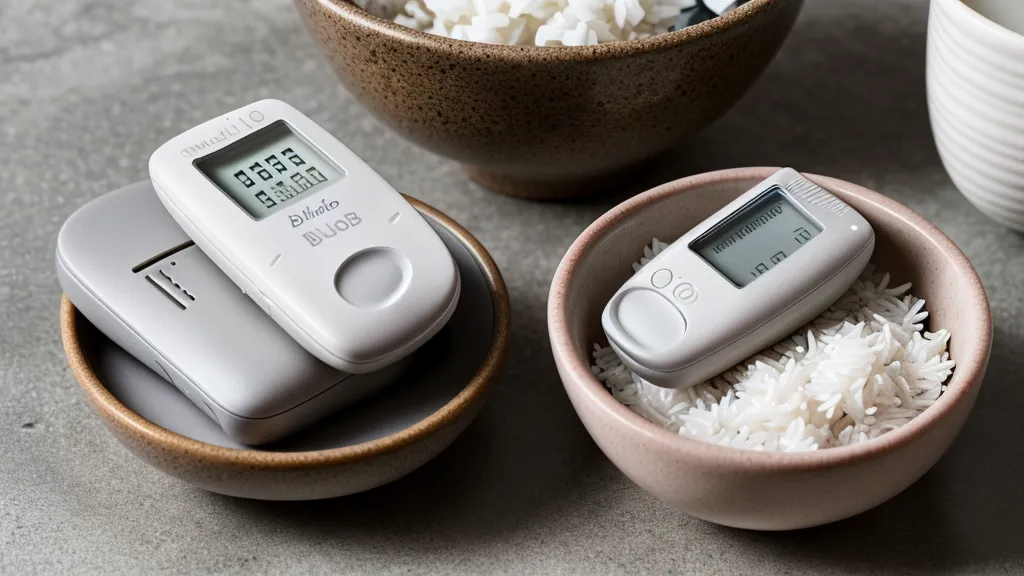
My nutritionist wasn't wrong, exactly. Whole grains rank better than white bread on paper, and "switch to brown rice" is reasonable advice for a lot of people. Somewhere between her recommendation and my actual body, though, the plan fell apart. I followed it exactly and felt worse instead of better, foggier, more tired, dragging myself through afternoon meetings on a second pot of coffee. That's when I started using a glucometer to test my blood sugar after meals, and the glucose spike after a bowl of "healthy" brown rice told a completely different story than the label did. I went looking into Glycemic Index and Glycemic Load after that, because a blanket rule clearly wasn't going to cut it for my particular biology. I still miss real sourdough more than I'll ever say out loud in public. Beside the point, though. My body needed something else entirely.
Three Meals, No Snacks, and Still Raiding the Vending Machine
For a while I tried the opposite extreme: three meals, exactly on schedule, zero snacking in between, because that's what half the generic advice boils down to eventually. Here's the thing: it backfired almost immediately. By the second meal I'd be so ravenous that I'd end up standing in front of the vending machine anyway, telling myself a granola bar didn't count because I'd technically "earned" it by waiting so long. Rigid rules and actual hunger don't negotiate. What worked better was smaller, planned check-ins with food throughout the day instead of expecting willpower to out-argue my own biology.
The Moment I Knew Something Had Actually Shifted
People ask what the turning point felt like, expecting some dramatic before-and-after moment. Honestly, it was smaller than that. Someone left a candy dish by the printer near my desk, the exact kind of thing that used to hijack my whole afternoon, and I walked past it mid-thought, three steps down the hall, before I even registered it was there. That's the marker I trust now more than any single reading: not thinking about food registers as calm, not as effort.
Does the Cold Potato Trick Really Work?
Yes, more than I expected going in. I use the cold potato method for resistant starch a few times a week now: cook potatoes, let them cool completely before eating, and something about the starch behaves differently once it's cold. I won't turn this into a science lecture since the mechanism is really its own topic, but the short version is that cold starchy foods treat my numbers better than hot ones do, and that held true for more than just potatoes.
Cauliflower Rice Earned Its Spot in My Kitchen
Skepticism was my first reaction, mostly because every low-carb blog treats riced cauliflower like a personality trait. Roasted instead of steamed, though, it's genuinely good. There's a faint caramelized edge that shows up right as it turns golden, almost like it's toasting rather than just cooking, and that smell alone converted me from someone who begrudgingly ate it to someone who actually looks forward to it some weeks. The full story of swapping rice for cauliflower rice is long enough that it lives in its own post; here I'll just say it's one of maybe three swaps that actually stuck, out of a much longer list that didn't.
Small Kitchen Habits That Move the Needle
A handful of smaller habits added up more than any single big change did. Fiber is unglamorous but it does real work meal to meal, and that alone deserves its own separate deep dive somewhere else. A splash of vinegar before a meal, usually worked into a vinaigrette rather than drunk straight because straight vinegar is its own special kind of unpleasant, seems to soften how a meal hits afterward. Even the way pasta gets cooked changes its numbers more than the box itself does, which surprised me enough to go looking for a smarter way to pick pasta at the store instead of guessing. And a short walk after dinner, nothing intense, just moving instead of sitting on the couch, does something a supplement can't fully replace.
Morning Numbers Before You've Even Eaten
Some mornings my numbers are already elevated before I've had coffee or a single bite of food, which used to feel like failing before the day even started. It's a real, documented pattern and not just me being dramatic about it, but the mechanism behind it belongs in a different post entirely. What matters practically is that I stopped panicking over one isolated reading and started watching the overall pattern instead.
Fruit Is Still Sugar, Just Dressed Up Nicer
People assume fruit is a free pass because it's "natural," and I used to believe the same thing. That's not exactly wrong, but it isn't the whole truth either. How your body handles the sugar in fruit depends on which fruit, how much, and what you eat alongside it, which is its own separate conversation I've had elsewhere. My workaround is pairing fruit with something that has fat or protein in it rather than eating it alone, and berries have generally been kinder to me than most other options.
The Afternoon Wall Everyone Warns You About
That afternoon crash people describe, the one where you'd trade almost anything for something sweet, used to run my entire day. Part of it is a real physiological dip with its own name I won't get into here, and part of it, for me, was simply not eating enough protein earlier in the day to hold me over. Pairing a snack with protein instead of grabbing something sweet on its own changed that more than any single trick. If you want the fuller version of how I manage sugar cravings with Sugar Defender alongside food changes, I've written about that combination in more detail.
Where Grocery Store Traps Actually Hide
Standing in a store aisle reading labels like I'm studying for a test is still the most annoying part of all this. Sugar shows up under names that don't sound like sugar at all, tucked into foods marketed as healthy: salad dressing, bread, yogurt, sauces you'd never suspect. There's a longer list I bring with me now so I don't have to think it through in the moment, but the short version is simple: if the ingredient list runs long and half of it ends in "-ose," it goes back on the shelf.
Does Anyone Around You Actually Get This?
Mostly, no, and that's fine. My neighbor Greta, across the cul-de-sac, has zero interest in glycemic anything; she just grows an enormous vegetable garden and shows up on my porch with more produce than any one household should own, no warning, no context. It's become one of my more reliable low-GI sources, honestly. On the other end, a reader named Corbin emailed me after flatly disagreeing with something I'd written, and he still checks in most months just to keep pushing back on whatever I've decided is true that week. Having someone in my inbox whose unofficial job is calling out when I'm being precious about food turns out to be useful.
So Where Do Blood Sugar Supplements Actually Fit?

Food changes are the foundation here, and nothing I take replaces that. Worth saying plainly before anything else. That said, I did add a liquid supplement called Sugar Defender to my morning tea, mainly because I wanted something aimed at insulin sensitivity rather than a vague energy claim, and the fact that it's 24 plant-based ingredients with no synthetic filler mattered more to me than the marketing around it. It tastes earthy enough that I always mix it into tea rather than take it straight, and the 180-day money-back guarantee is what actually convinced me to give it a real trial instead of quitting after a week like I usually do with these things. If capsules suit you better than liquid drops, Gluco6 is the one I've pointed friends toward, with the same insulin-sensitivity angle and a 60-day guarantee that's shorter than what I got but still reasonable. There's also GlucoBerry, which leans on maqui berry and works through an entirely different mechanism for handling excess glucose, worth a look if the other two haven't clicked for you.
Did the Kitchen Lab Actually Beat the Official Guide?
For me, yes, though not because the official guide was useless. It was written for an average body, and I don't have one; nobody actually does. That 5.7% from my very first screening has moved in the right direction since I stopped trusting one-size-fits-all advice and started testing things at my own counter instead, and I still track it the way some people track a budget, checking in periodically rather than obsessing daily. If you're standing where I was, staring at a number you didn't expect, start small: pick one meal to actually test instead of overhauling everything at once. And if you want to try what helped me most, Sugar Defender is the one I keep reordering, backed by that same 180-day guarantee that made the whole experiment feel low-risk to begin with.