My lunch and my daughter's lunch used to come from two different kitchens — mine chosen with an eye on glycemic index, hers just whatever wouldn't get traded away by ten a.m. That gap is the whole reason low-GI parenting turned into its own project instead of a side effect of my prediabetes lifestyle. I spend my work days around wellness numbers, and it still took me longer than I'd like to admit to connect my own blood sugar management to what was going into my kids' backpacks. Most school lunch hacks online are written for adults managing their own diagnosis, not for a kid who'll trade the good stuff for someone else's fruit snacks by 10:15, and figuring out that gap is where this whole thing actually started.
Should Your Kid Have a Low-Glycemic Lunch?
Here is the thing: no pediatrician handed me a reason to overhaul my daughter's lunchbox. My reason was personal, then it migrated onto her plate. The moment that actually got my attention wasn't a lab printout — it was reaching into the back of the closet for jeans I'd shoved there months earlier, bracing for the usual lie-down-and-suck-in routine to get the zipper closed, and not needing it. That's when I started wondering whether the toast-and-juice combo I was building for my kids every morning was quietly setting them up for the same conversation with a doctor someday.
Before I understood any of this, I tried a cinnamon-and-honey tonic every single morning for a month, because a wellness newsletter promised it would flatten my numbers. It didn't move anything. It did make me permanently suspicious of quick fixes, which turned out to matter more for the kids' lunches than for my own coffee — the swaps that actually stuck were boring, not magic. Canned chickpeas sit around a Glycemic Index of 28, which is low enough that they became a kitchen staple for me before they ever showed up in a lunchbox, and honestly that's about the only number I bothered memorizing on purpose.
What Goes Wrong With the Easy, Healthy-Sounding Swaps
Sprouted grain bread was my first swap, and it held up fine once I started toasting it instead of serving it soft — my daughter couldn't tell the difference once there was crunch involved. Sprouted bread earned a permanent spot in the rotation for that reason alone. The lentil wraps were a different story. A few of them came home from her backpack untouched, smelling faintly of defeat and cumin, because what she wanted was crunch and something recognizable, not something soft wrapped in paper. I stopped trying to make every single item in the box low-GI and started paying attention to texture first, ingredient list second.
That's where protein pairing earns its place in a lunchbox — less about the science of it and more about the fact that the protein has to be something a kid will actually pick up and eat before the bell rings. For us that means a cheese stick or almond butter, not anything that requires a spoon and patience she doesn't have at noon. Juice boxes were the easiest cut once I started reading the label instead of the cartoon fruit on the front — the sugar in them doesn't announce itself the way you'd expect, and they were gone from our pantry within a week of me actually paying attention.
Building the School Lunch Hacks That Actually Get Eaten
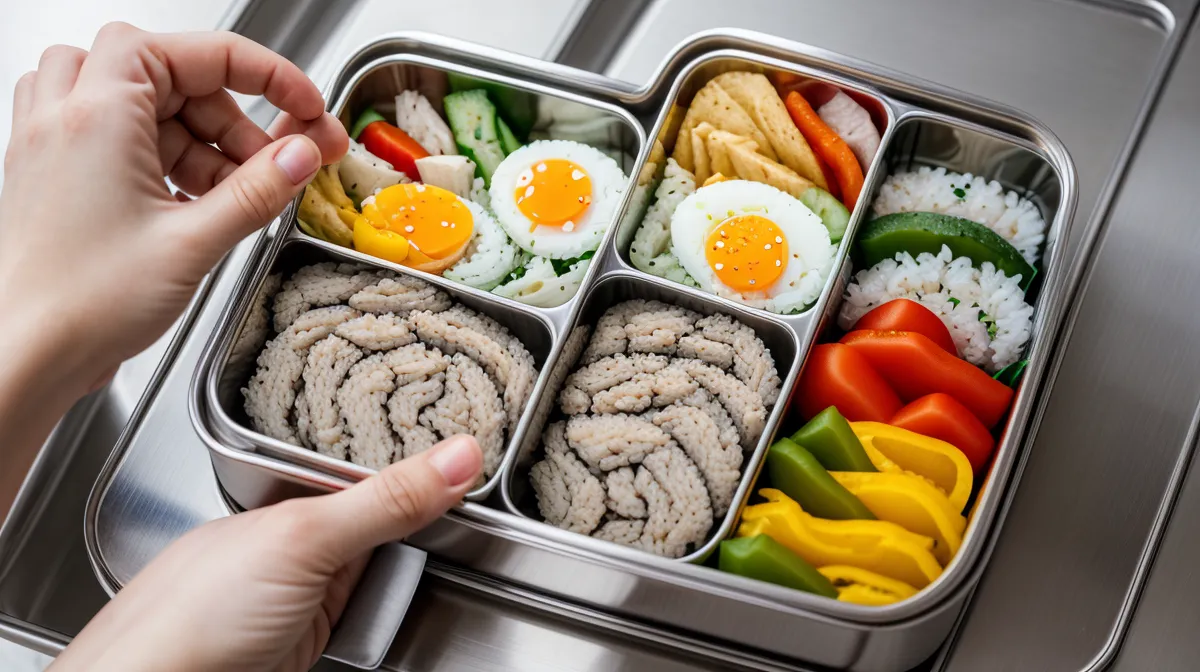
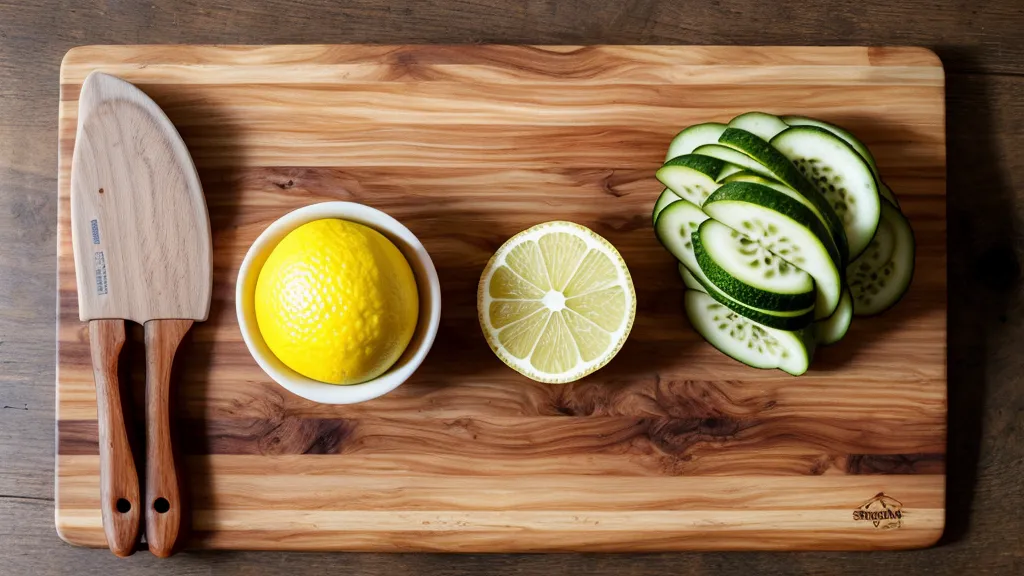
The lineup that survives a full school day now has a few reliable regulars. There's the turkey sandwich on toasted sprouted grain, avocado standing in for the fat that used to come from mayonnaise, mustard doing the flavor work instead of sugar. There's a chickpea salad — cucumber, feta, a lemon-olive oil dressing — where the acid does a small, quiet job of softening the glucose response, the same trick that works in a cold pasta salad dressed with vinegar instead of something creamy. I won't pretend to understand the starch chemistry behind why cooling and re-dressing pasta changes anything; I just know it does, and I leave the mechanism to people who study it for a living.
There's also a bento version — a hard-boiled egg, a little deli meat, berries instead of grapes, because berries land lower on the scale and fruit metabolism is its own rabbit hole I'm not going to pretend to have mastered here. And there's the water swap: frozen berries and mint in a reusable bottle instead of a juice box, which looks fancier than it is and gets picked up without a fight most mornings. When I'm not sure where a food lands, I check the Glycemic Index of common foods reference chart that's basically taped to my fridge at this point, especially at 6:30 in the morning when nobody in the house is thinking clearly.
How Piling on Fiber Can Backfire for Small Stomachs
Here's something that surprised me, and I haven't seen many parenting sites mention it. Loading a lunchbox with beans, whole grains, and vegetables so it counts as "healthy" can genuinely work against a small kid. My daughter would eat a few bites of a bean salad, feel full from sheer bulk, and stop — long before she'd actually taken in enough food to carry her through a full afternoon of school and sports. A couple hours later she'd be running on empty, not because the food was wrong, but because there wasn't enough of it relative to how filling it felt going down.
The deeper mechanics of soluble fiber and blood sugar stability are a topic for another day and, frankly, another article — here the fiber question is mostly about portion size, not chemistry. I started treating fiber as something to balance rather than maximize for her: enough that the food actually matters, not so much that her stomach calls the meal finished before her body has taken in enough. That afternoon dip pattern, where energy drops instead of climbing after a meal, is its own topic too, and it's more relevant to adults tracking their own numbers than to a kid's lunchbox, so I'm not going to turn this into a lecture about it here.
Handling Juice Boxes, Trades, and the Rest of the Cafeteria
A woman named Amara Sekibo, who I met after a nutrition talk at the Kirkland library, asked me the question I get most often: what do you do when the rest of the family, or the rest of the lunchroom, isn't doing any of this? Her situation was cooking for a household that didn't want to change its habits, and mine is closer to packing lunches for kids who'll trade snacks the second I'm out of sight. My answer is the same either way: control what leaves the house, and let go of what happens after that.
A cookie traded from a friend's lunch isn't going to undo weeks of steady swaps. One high-glycemic snack causes a spike and then it's over; it doesn't erase the pattern underneath it, and I'd rather my kids learn that food isn't a moral test than win every single trade at the lunch table. That distinction — one snack versus a pattern — is honestly the whole argument for why I stopped policing every bite and started paying attention to what fills the box most days instead of every day.
When Everything Comes Home Untouched
Some days, yes, the whole thing comes back untouched, and that used to feel like proof I was failing at this. Now it's just information. If a wrap comes home whole, I change the format, not the whole plan. Most of these ingredients start their life at the Trader Joe's on Roosevelt Way NE, and I still remember flattening the paper bag on the counter after one particularly hopeful grocery run — that stiff fold-and-crinkle sound, thinking I'd finally cracked it. I hadn't, not that trip. But most of what's in the box these days is stuff I trust, and stuff my kids will actually eat, and for a lunchbox that's really the only number that matters.
I still miss white bread more than I'll admit to anyone at work, and some mornings I stand at the counter wanting a soft, fluffy sandwich instead of another sprouted-grain swap. Watching my kids get through a full school day on steady energy instead of a spike-and-drop pattern makes the trade worth it more often than not. If your own cravings turn out to be the harder part of this — mine usually are — I've written separately about how to stop sugar cravings with protein, and about the low-GI snacks that finally stopped my mid-afternoon crashes, and both came out of the same kitchen experiments that eventually built this lunchbox.