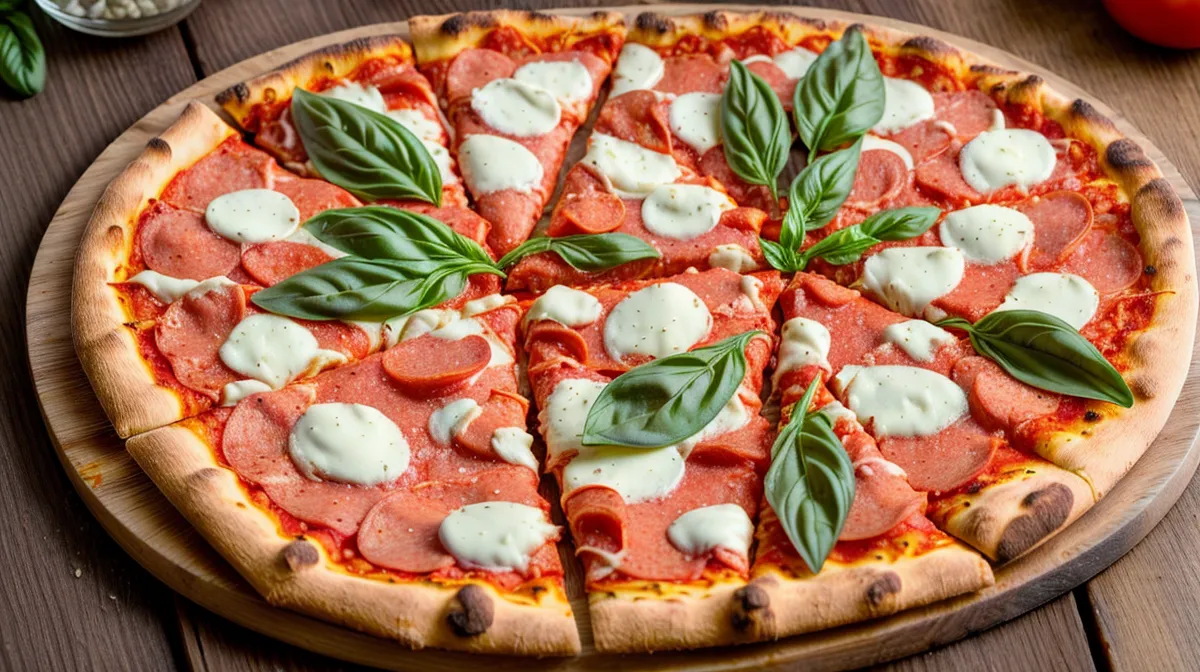
When a pizza craving hits, the choice between toppings piled on top and the flour doing the heavy lifting underneath feels equally important. I didn't have a real answer to that for months after a routine screening turned low-GI baking from a weekend curiosity into something closer to an unpaid second job. Pizza became the one Friday ritual I wasn't ready to surrender to a number on a lab report, and a prediabetes lifestyle built around blood sugar management, it turns out, does not ask permission before it rearranges your week.
Three months before that, my own corporate wellness screening had handed me the kind of irony you can't make up — I spend my workdays talking up our company's "preventative health" benefits, and my own A1C came back at 5.9, squarely inside the range doctors flag as prediabetes. HR managers are not supposed to fail their own wellness program. Mine did.
Denial came first. I kept eating the same bagels, the same pasta — and, obviously, the same pizza — and told myself the lab had gotten it wrong. The quick fix I actually reached for wasn't flour; it was swapping every soda in the fridge for a diet version and dumping artificial sweetener into my coffee, my oatmeal, anything that would sit still long enough. It didn't move a single number, and if anything, I wanted real sugar more than I had before I started. When the follow-up results came back worse, not better, the panic set in, followed by a stubborn determination to fix my metabolism without living on steamed broccoli.
Why Traditional Pizza Crust Wrecks a Blood Sugar Management Plan
Traditional refined white flour carries a glycemic index of about 71 — high enough that it hits the bloodstream fast, and pizza makes the problem worse by piling a sugary tomato sauce and a double-serving habit on top of it. There's a difference between how quickly a food spikes you and how much that spike actually totals once portion size enters the picture — glycemic load, as opposed to glycemic index alone — and it's a rabbit hole deep enough to deserve its own separate deep-dive rather than a crash course here.
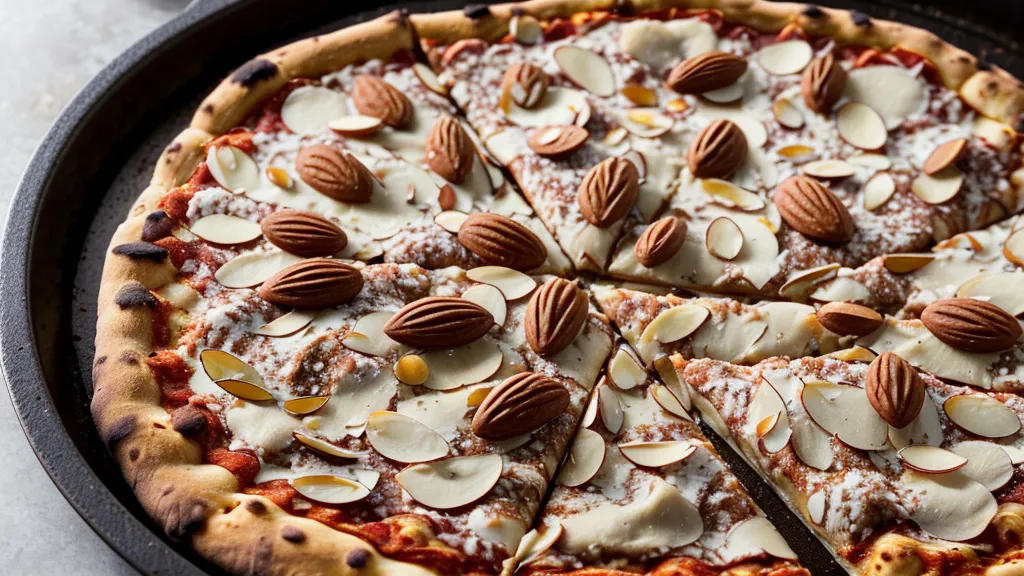
None of this makes me a doctor, a dietitian, or anything close, just someone who reads nutrition labels for a living now out of necessity. Almond flour carries a glycemic index under 1, which looked like a miracle on paper, and baking with nut flours turned out to be far more art than science once I actually tried it.
The Lab Failures: Soggy Cauliflower, Sandy Coconut, Flat Chicken
Cauliflower crust was the first casualty. One rainy weekend I spent close to two hours squeezing water out of a food processor's worth of pulverized vegetable, only to end up with something limp enough to need a fork and a generous imagination to call it pizza.
Coconut flour came next, and I assumed a straight one-to-one swap would work the way it does with regular flour. It did not. What came out of the oven was a pizza-flavored brick that crumbled into sand the second I picked up a slice, and my husband — a saint for eating every single one of my experiments without complaint — just looked at the wreckage and asked if we should order salad instead. I missed white bread more than I will ever admit publicly, and the white bread mourning period hit hard that particular night.
A chicken-based crust solved the texture problem and created a new one. It ate more like a flat, savory nugget than anything resembling dough, and it never once satisfied the craving that sent me looking for a crust in the first place. My neighbor, who does CrossFit at a box gym three mornings a week and has never once had to think about a glycemic index chart, caught me mid-experiment one weekend and asked, not unkindly, why I didn't just skip bread altogether. Fair question. These days my first move each morning isn't the coffee maker — it's the small plastic squeak of popping open the glucometer case before I've even thought about caffeine, and I wanted my kitchen to smell like toasted flour again, not like a clinic.
Switching to Lupin Flour to Rebuild the Crust
Lupin flour changed everything, and it came only after a long run of failed attempts. Most of the low-carb world talks about almond flour like it's the only option worth mentioning, and while almond flour earns its reputation, used alone it can turn heavy and greasy fast. Lupin flour, milled from sweet lupin beans, brought something almond flour alone couldn't: real structure.
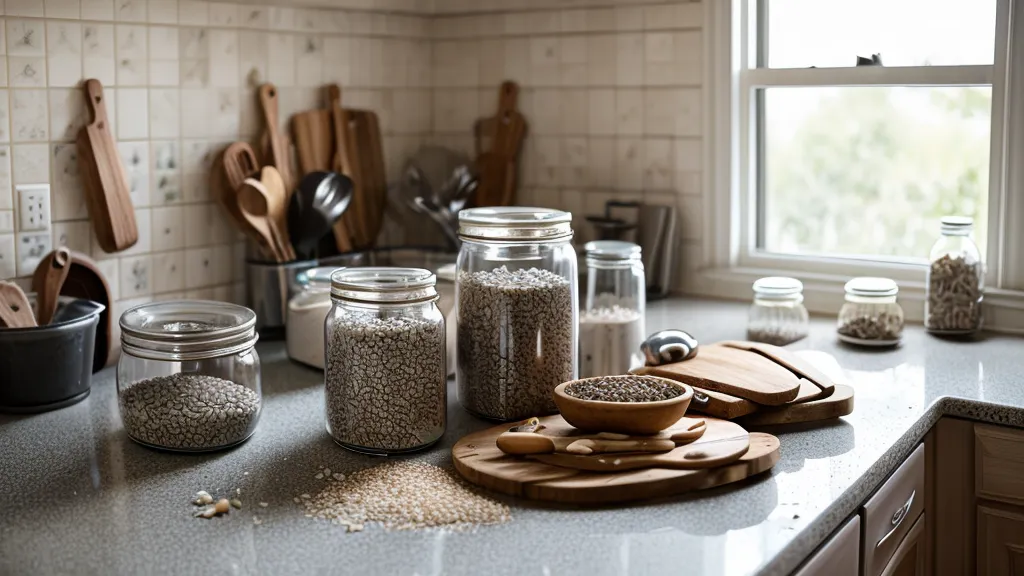
Protein and fiber turned out to be the blend's real contribution, doing more for blood sugar stability than almond flour alone ever managed, and the texture mimicked wheat far more closely too. Blending it with almond flour and a bit of ground flaxseed finally gave me the structural integrity cauliflower and coconut never could, the "chew" I'd been chasing the whole time.
What mattered in practice was simpler than any formula: fewer slices left me foggy, and this blend didn't. Trial and error, and a few more failed bricks along the way, got the ratios right eventually, but once it clicked, it stayed clicked.
Delivery Pepperoni or Homemade Lupin Crust — Which One Actually Wins?
Delivery pepperoni still wins on convenience: no dishes, no dough that sticks to parchment paper, no guessing whether the crust will hold under the weight of real mozzarella. It also used to mean a walk around Lincoln Park in West Seattle before bed, just to shake off the heavy, foggy feeling that showed up like a rerun every single time.
The lupin-almond crust can't compete on convenience, not even close. It takes a food processor, a rolling pin, and a pre-bake step you can't skip. What it competes on is the morning after. The real tell came on an ordinary Wednesday, when I realized halfway through making coffee that the thick, cottony feeling behind my eyes, the one that used to show up like clockwork after a pizza night, simply hadn't bothered to arrive.
The choice is context-dependent. If pizza is a once-in-a-blue-moon indulgence and you're not managing a glucose problem, delivery pepperoni is just pizza: order it, enjoy it, move on. If you're rebuilding a prediabetes lifestyle around food the way I had to, the homemade version earns its extra effort every time, because the whole point stops being about the slice and starts being about how Saturday morning actually feels.
My Go-To Low-GI Baking Recipe for Weekend Pizza
Here's what actually works, assembled after enough sandy bricks and soggy messes to fill a recycling bin. This version makes a thin, crisp crust sturdy enough to hold real toppings without buckling.
The dry mix is one and a half cups of super-fine almond flour, the Costco bag works fine, plus a half cup of lupin flour, two tablespoons of ground flaxseed for a whole-grain texture, a teaspoon of xanthan gum to act as the glue gluten usually provides, a teaspoon of baking powder, and a teaspoon each of garlic powder and dried oregano, because skipping the seasoning makes every low-GI substitute taste like cardboard. One beaten egg and two tablespoons of olive oil go in next, followed by two to three tablespoons of warm water, added a tablespoon at a time until the dough just barely holds together as a ball.
Rolling it out between two sheets of parchment paper keeps the sticky dough manageable, and pre-baking the crust on its own at 400°F for eight to ten minutes before any toppings go on is the step that actually prevents the soggy middle every failed attempt before this one had warned me about.
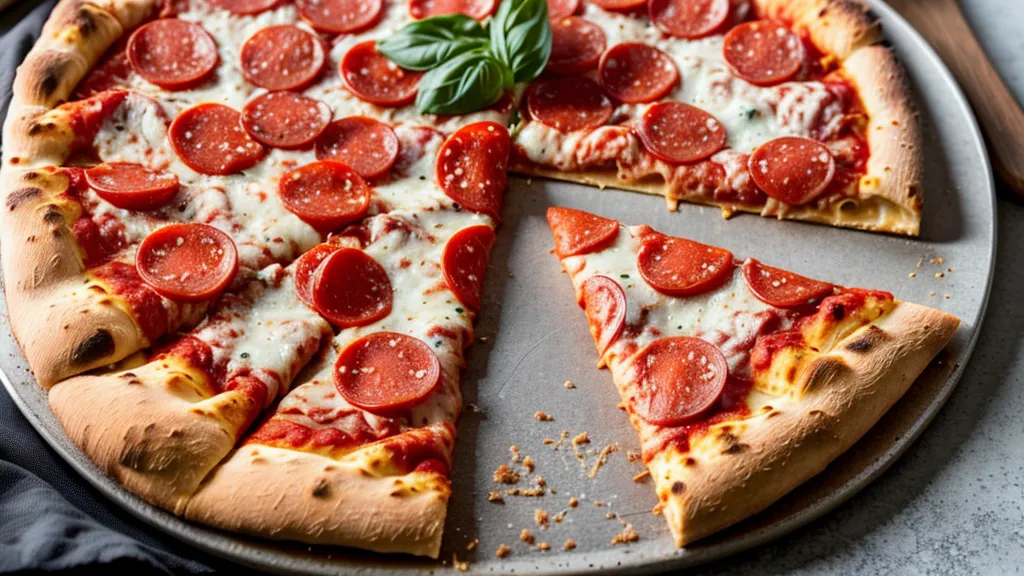
On a recent Friday, I pulled this crust out of the oven, topped it with a low-sugar marinara, fresh mozzarella, and a pile of arugula, and realized partway through the first bite that I wasn't mourning anything. I wasn't thinking about white bread. I was just eating pizza.
The Low-GI Life Gets Easier With Practice
Rebuilding a relationship with food this way is not a straight line. There are still days I want to walk into a bakery and inhale every loaf in the window. But the fear from that first lab report hasn't fully faded either, and most days that's enough motivation to keep treating these kitchen experiments like they matter, because they do.
Navigating the rest of the world on a prediabetes lifestyle takes its own kind of practice, whether that's explaining my low-GI life without killing the vibe at a neighborhood barbecue or figuring out what to eat through a long stretch of back-to-back meetings. None of this is a life sentence of lettuce wraps. It's just a nudge toward better chemistry, one weekend treat at a time.
Anyone who just got a wellness screening result that didn't go the way they hoped should know they are not alone in this, and that the frustration is a completely reasonable response. Missing the old way of eating doesn't make the new way any less worth it. There is a way back to that real "snap" of a crust. It just might run through a bag of lupin flour and a lot of patience along the way.