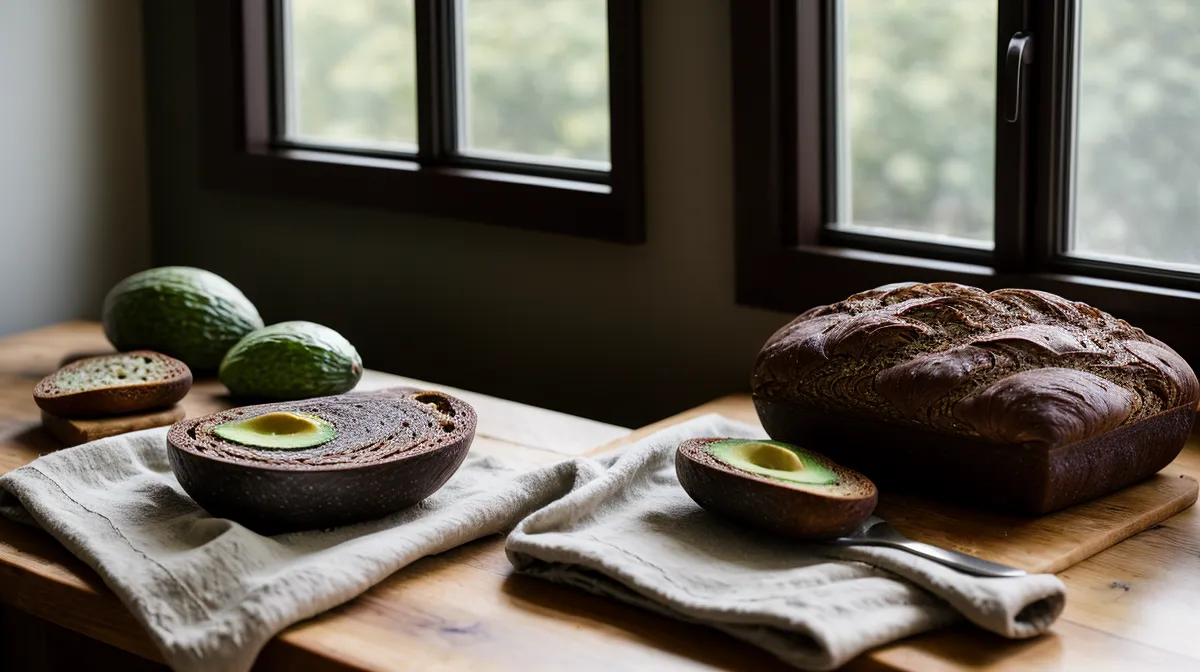
Four ingredients. That's the real difference between a low-glycemic loaf that rises like actual bread and one that sits in the pan like wet sand, and almost nobody selling prediabetes-friendly baking mixes tells you which four, or why the ratio matters more than the flour itself. The common wisdom says you just swap white flour for whatever "healthy" flour is trending and call it a day. That's the myth. It isn't true, and believing it is exactly what turns a loaf of bread into a brick.
Here's the thing, I miss regular bread more than I'll ever admit out loud. Walk past the bakery stalls at Pike Place Market on a Saturday morning, breathe in that sourdough smell, and tell me you wouldn't want to just grab a loaf and go. But the fluffy, squishy stuff works against metabolic health for anyone managing prediabetes, and most of the low-glycemic alternatives sold as a fix are disappointing in a completely different way. I'm not a dietitian. I'm an HR manager who got tired of choosing between cardboard and candy, and everything below comes from my own kitchen, not a nutrition degree — talk to your own doctor before you overhaul your pantry based on it.
The Flour-Swap Myth That Wrecks Every Low-Glycemic Loaf
Most low-glycemic bread guides treat gluten-free and low-glycemic as the same category, and they're not. Almond flour, coconut flour, and flax meal all score low on the glycemic index — a measure of how fast a food raises blood sugar — but none of them behave anything like wheat flour once they hit water and heat. I learned that the hard way with a first loaf dense enough to double as a doorstop. Treating every low-glycemic flour the same is a little like assuming every meeting on my calendar needs the same agenda — technically efficient, functionally useless. Understanding the glycemic index mattered less, it turned out, than understanding structure — and I still keep my stained cheat sheet taped inside a cabinet door for the mornings I second-guess a substitution.
What Actually Holds a Low-Glycemic Loaf Together
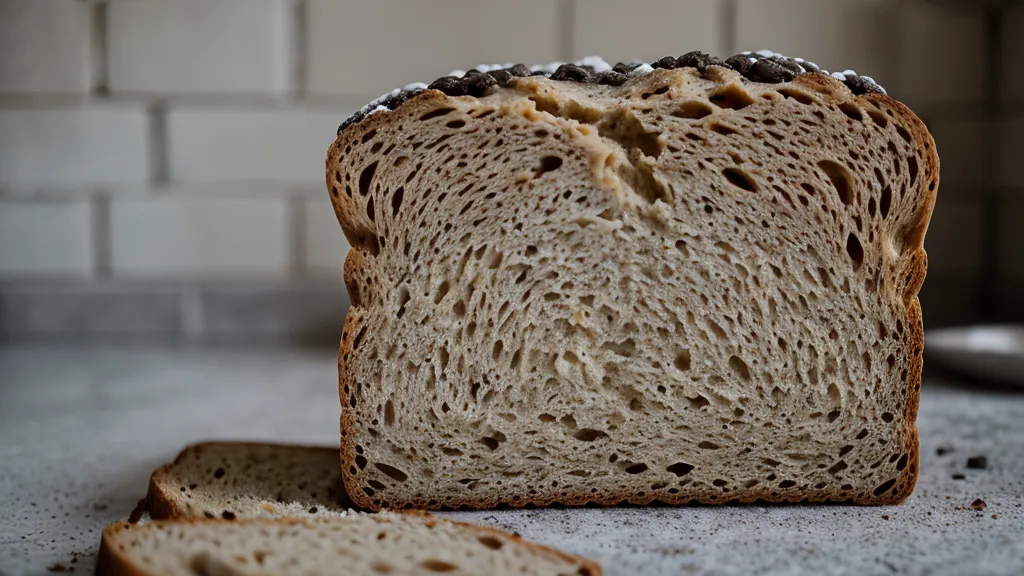
Structure, not virtue, is what makes or breaks a loaf. Almond flour is the backbone in my kitchen — low-glycemic, high in healthy fat, but greasy and heavy if it's the only thing in the bowl. Psyllium husk is what actually replaces the stretch gluten normally provides: it's almost pure fiber, and the second it meets water it turns gel-like, which is the only reason a slice holds together under a butter knife instead of crumbling into dust. A few tablespoons of vital wheat gluten — controversial in some low-carb circles, but it works for my glucose numbers — give the dough enough lift to rise like an actual loaf instead of a paperweight. Flax meal adds fiber, though use too much and everything starts tasting like a birdseed muffin.
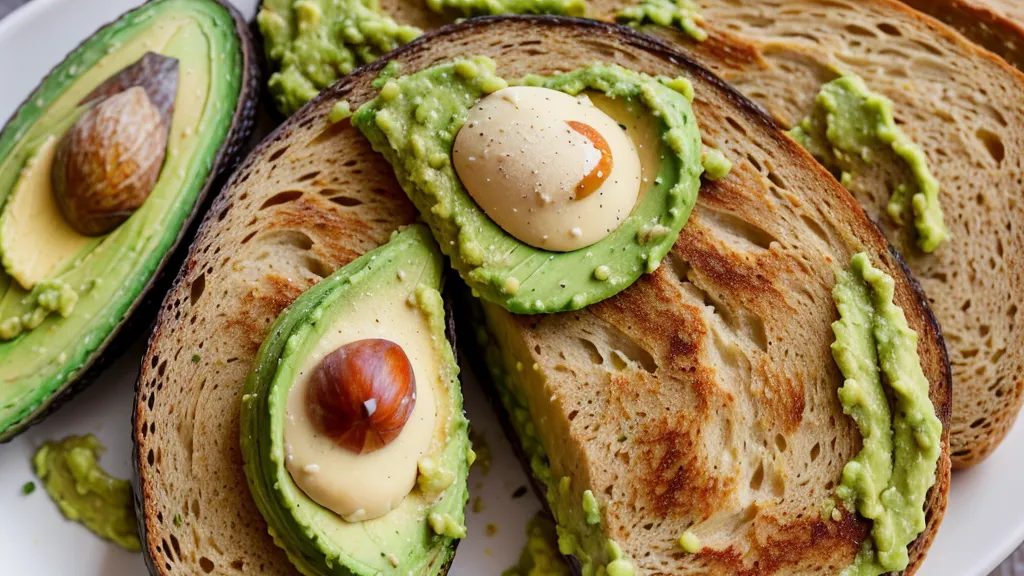
Egg whites do double duty here, adding both protein and structure — the same protein-pairing trick that makes any carb-heavy plate behave better sits underneath this dough, not just a slice of avocado toast. The same starch gelatinization that decides whether a bowl of pasta spikes you fast or slow is happening inside the oven too: a denser crumb, a coarser grind of flour, and a long, slow fermentation all limit how completely that starch opens up while it bakes, which matters more than which specific flour bag you grabbed at the store. Psyllium isn't the only way to lean on soluble fiber at a meal, either — it's just the version that happens to work in a loaf pan. An acquaintance of mine, Amara Sekibo, who I met at a nutrition talk at the Kirkland library, once sent me a recipe built around a West African staple flour blend instead of almond flour, and it held together beautifully — proof the backbone matters more than the brand. That same backbone-first thinking is why how to make low glycemic oatmeal that doesn't wreck my mid-morning numbers works too — protein and fiber doing the heavy lifting, not whatever's printed on the bag.
Sifting, Water Temperature, and the Small Things That Decide Rise or Ruin
Sifting sounds like a fussy, old-fashioned step until you skip it. Almond flour is notoriously lumpy, and if you don't sift it, you end up with little almond bombs that ruin the texture of an otherwise decent slice. A digital thermometer matters just as much — low-glycemic flours are heavy, and if the water isn't close to 105 degrees, the yeast simply doesn't have the strength to lift all that fiber. I flatten the paper bags from Trader Joe's on the counter before I put anything away, and half the time I'm unpacking another bag of almond flour because I go through it that fast.
A teaspoon of apple cider vinegar goes into the batter too, reacting with the leavening to give a little extra lift you'd never taste on its own. There's a reason vinegar behaves that way after a meal, something to do with acetic acid and how it slows things down once you've eaten, worth its own explanation somewhere else, but not the point here. Toasting matters more than people expect: even a good low-glycemic loaf improves once the heat crisps the fat in the nut flours, which is the closest thing to that crave-worthy crunch from real sourdough.
Is There Such a Thing as a 'Safe' Low-Glycemic Bread?
No, not universally — and that's the second myth worth correcting. A loaf that keeps one person's numbers flat can still spike someone else, because glucose response depends on more than the ingredient list. The clearest proof I've seen in my own kitchen came the night I swapped a scoop of cauliflower rice in for the real thing at dinner and watched my glucometer read 112 the next morning instead of the 156 a similar plate gave me a few days earlier — same effort, same portion, a completely different number. That kind of low-glycemic swap works because of what's happening with the individual food, not some universal rule about "diabetic bread" printed on a box.
A smoothie that looks perfectly virtuous can spike a reading just as fast as a slice of white bread — a strange, separate lesson that has nothing to do with flour. Store-bought "keto bread" mixes are their own trap for a different reason: I tried one from a local grocery store and it tasted like a wet sponge, which taught me that a low number on a label doesn't guarantee good bread, and it definitely doesn't mean the ingredient list is honest about where the sugar count is really coming from. Even the time of day plays a role nobody warns you about — my numbers run higher first thing in the morning no matter what I ate the night before, a hormone-driven habit doctors call the dawn phenomenon, nothing to do with toast.
None of this fixes insulin sensitivity on its own, either — that has more to do with eating windows and movement than with any flour ratio, and it's a bigger topic than one loaf can carry. I know because I tried the opposite approach for a while, drinking a cinnamon-and-honey tonic every morning before breakfast, convinced it would do the work bread couldn't. It didn't move my numbers at all. What actually helps after a carb-heavy slice is boring and free: a short walk does more for my glucometer than any ingredient swap I've tried, since moving muscle pulls glucose out of the bloodstream on its own. Eat too much simple starch even in a careful loaf like this one and you can still end up chasing reactive hypoglycemia an hour or two later — a shaky, foggy dip with its own name and its own fix I won't get into here. Fruit spread on top complicates things further, since the fructose in fruit gets metabolized differently than the starch in the bread underneath it. And none of it shows up on a glucometer in the moment anyway — the number my doctor actually watches is A1C, a three-month average that tells a longer story than any single slice ever could.
How to Judge a Loaf Before You Cut Into It
A friend from college, Noel Takemoto, is the one who finally got me to stop obsessing over the glycemic index alone. We catch up most weekends near Pike Place Market now, and it was Noel who pointed out that glycemic load — which factors in actual portion size, not just how fast a food raises blood sugar in the abstract — matters more for a real meal than the index number by itself. That reframing changed how I judge a finished loaf just as much as it changed how I judge a plate of pasta.
Here's the actual rule, if you want one: judge a loaf by the crumb, not the flour bag. Let it cool completely before you cut it; low-glycemic bread needs that time to finish setting its structure, and some of the starch actually reorganizes into a more resistant form once it's fully cold, which is a whole separate subject I won't unpack here. Press the crust; it should spring back instead of staying dented. Slice it; it should hold together under a butter knife without crumbling into dust. If it passes both tests, the ratio was right, no matter which specific flours got you there. That's the part the flour-swap myth never mentions, the test is in the loaf, not on the ingredient list.
I also linked my own notes on a supplement some readers ask about, my Sugar Defender review; bread that behaves like bread has done more for my numbers than any capsule, though. Four ingredients, one blend, and a little patience with the ratio: that's the whole myth-busting story, no magic flour required.