
My glucometer reads 112. The plate in front of me is cauliflower rice standing in for the jasmine rice that used to send me toward the 150s, and that single number is the whole reason I started testing intermittent fasting against my old habits instead of just believing whatever article told me it would fix my insulin sensitivity for prediabetes.
Here's the thing about running your company's wellness program and then failing your own screening — you don't get to be quietly humbled about it. My results came back with an A1C of 6.2%, right in the middle of the prediabetes range, and a fasting glucose of 118 mg/dL. Denial lasted about as long as denial usually does, and the second set of numbers came back worse, not better.
Two different versions of intermittent fasting kept showing up in everything I read, and they pointed in opposite directions. One said skip breakfast, keep the eating window short and late, and let the fat-loss math take care of itself. The other said move the window earlier, anchor it with a protein breakfast, and treat the morning hours as sacred for insulin. I decided to actually run both instead of picking one on faith.
Insulin sensitivity, in plain terms, is how efficiently your body can use the insulin it already makes to clear sugar out of your bloodstream. A more sensitive system needs less insulin to do the same job; a less sensitive one needs more and more, which is exactly the hole I'd dug for myself by the time that screening flagged me. Even a smoothie I used to think was a smart breakfast was quietly causing about the same spike a candy bar would.
Two Fasting Windows, One Insulin-Sensitivity Question
Approach A is the version most fitness content pushes — fast until early afternoon, eat in a tight four-to-six-hour window, and treat hunger as a discipline problem. It's built for people whose main goal is calorie reduction, not glucose control, and I wanted to know if it would hold up for someone whose pancreas was already struggling.
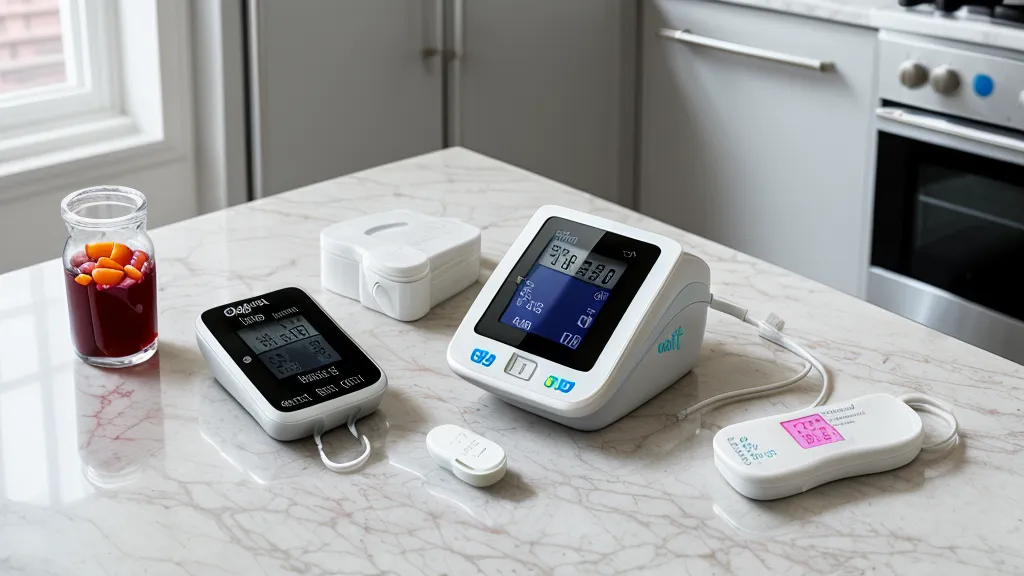
Mornings under that schedule were rough — my body still runs into what's called the dawn phenomenon, and skipping breakfast on top of it just left me chasing a bigger spike once lunch finally showed up. By mid-afternoon, I'd crash hard enough that it felt like its own condition, closer to reactive hypoglycemia than plain tiredness, and I'd already tried a meal-kit subscription marketed at people with prediabetes to survive that stretch — every box tasted like cardboard no matter how I dressed it up, and my numbers didn't move either.
The Early, Protein-First Window Changed My Numbers
Approach B moved the whole window earlier instead of later. Breakfast happened first, around when I'd normally still be deciding whether to eat at all, and it had to include real protein — eggs, a shake with no added sugar, something with enough substance that my body didn't read the morning as an emergency. Dinner closed by early evening, and nothing crossed my lips after that.

Walking through Pike Place Market with Noel Takemoto one Saturday, I tried to explain why the earlier window felt so different, and within about two minutes she'd turned the whole comparison into a spreadsheet in her head: column for Approach A, column for Approach B, glucose readings down the side. That's just how Noel processes things. It's also, honestly, not a bad way to look at it: side by side, the early window won on almost every reading I logged.
Glycemic load still mattered inside the window, fasting or not: a sixteen-hour fast followed by a plate of white pasta just moves the spike later in the day, it doesn't cancel it. The cauliflower rice swap from the very first paragraph came out of exactly this kind of testing: same portion, same sauce, a completely different curve on the monitor afterward.
A splash of apple cider vinegar before my last meal took some of the edge off the next morning's number. Pairing that first protein breakfast with something high in soluble fiber (oats, a handful of berries) stretched out how long I stayed full, and that mattered more for actually sticking with the window than any amount of willpower ever did.

Weighing Both Approaches Before You Choose One
Amara Sekibo asked me about this after a nutrition talk at the Kirkland library, and her question was sharper than most: which window actually holds up over years, not just the first satisfying stretch? That's the real weighing point. Approach A can produce faster numbers on paper if the goal is simply eating less, but it asks a prediabetic body to tolerate exactly the kind of overnight-then-binge pattern that tends to spike things. Approach B asks for more structure up front — an earlier alarm, a real breakfast — but it's the one my numbers kept rewarding.
Labels turned out to matter more than the fasting clock itself. Sugar shows up under names that don't sound like sugar at all, which is its own rabbit hole I won't get into here, and the same goes for how a pasta's texture changes depending on whether it's fresh off the stove or cooled overnight, or which fruit spikes me and which one barely registers: those are each worth their own deep dive, and I've written about them separately.

A cooled potato behaves differently in the body than a hot one, for reasons that have nothing to do with fasting, and a short walk after a meal does something useful to glucose that has nothing to do with which window you ate in — both are separate topics worth their own space. Sleep isn't separate, though: how to improve sleep quality for stable morning glucose turned out to matter almost as much as the window itself, because one bad night wrecked my fasting number no matter how disciplined I'd been. And the number that tells the long story, the A1C, reads better for me under the earlier window than it ever did under the late one — which is the whole argument for Approach B in one line.
None of this came from a textbook. It came from testing both windows against my own numbers in my kitchen lab, where the official guides ran out of answers pretty fast.
Starting Either Window Without Wrecking Your Week
Neither window is worth starting cold, and neither one is medical advice; I'm not a doctor, just someone who tested both on herself and logged the results. A twelve-hour gap between dinner and breakfast is the easiest on-ramp for either approach (finish eating, then don't eat again until the same clock time the next morning) and it's a reasonable place to sit before pushing toward fourteen or sixteen hours. Morning protein isn't optional if you're testing Approach B specifically; coffee alone signals nothing to a body that's still deciding whether to dump stored glucose. Electrolytes matter more than people expect, too; fasting flushes sodium faster than usual, and a pinch of salt in water heads off the kind of headache that makes people quit on day two blaming the whole idea instead of their sodium levels.
Testing beats guessing, every time. A glucometer will tell you in real numbers whether your particular body prefers the early window or the late one, whether fourteen hours does the same work as sixteen, whether a given breakfast steadies you or sets you up for a crash three hours later. Nobody's metabolism reads generic advice the same way, prediabetic or not.
Which Window Actually Fits Your Life?
Choose Approach A (the later, shorter eating window) if your main goal really is calorie reduction and your glucose control is already reasonably stable; it's simpler to plan around and asks less of your mornings. Choose Approach B (the earlier window anchored by a protein breakfast) if insulin sensitivity and prediabetes management are the actual target, because a body that's already struggling to handle glucose does better when mornings aren't spent running on empty and gambling on a bigger spike later. That's the trade-off, stated plainly: convenience against control.
I still miss white bread. That hasn't changed, and it probably never will completely. But I don't miss the version of me who thought grazing all day counted as careful eating, or who assumed one fasting protocol was as good as another for metabolic health; the two windows taught me that "intermittent fasting" covers two genuinely different bets, and only one of them was ever going to move my numbers, or my insulin sensitivity, in the right direction.