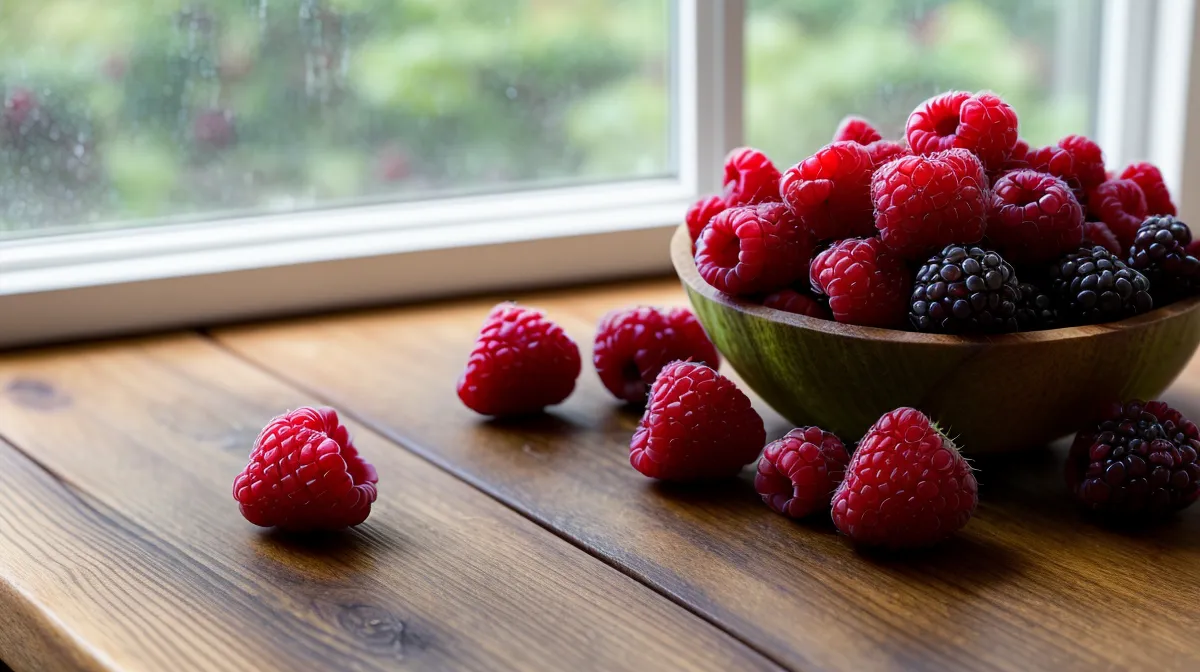
A cup of red grapes and a cup of raspberries land at nearly the same calorie count, yet only one of them sends a glucose meter noticeably higher an hour later. That gap is the real problem with judging a prediabetes diet by a single glycemic-index number: the score tells you where a food starts, not what fiber, fructose, and portion size do to it once your metabolic health is actually on the line. Keto lasted three weeks for me — miserable by day ten, white-knuckling my way through every dinner — before I gave up on avoidance and started asking a narrower question instead: which low-GI fruit actually performs the way its number promises, and which one falls apart the moment real life gets involved.
Here's the short version, since nobody wants to read a nutrition lecture to get it: pick fruit with real fiber, eat it attached to protein or fat, and treat glycemic index as a starting point instead of a verdict. That's the whole system behind every fruit choice I make now, and it has held up well enough that I trust it more than any list of superfoods. The rest of this is just the mechanics of why it works, because understanding the reasoning is what makes it easy to apply to a fruit that never made anyone's top-ten list.
Why Doesn't the Glycemic Index Tell the Whole Story?
Glycemic index measures how fast a food raises blood glucose compared to pure sugar, but it says nothing about how much of that food you would realistically eat in one sitting — that's the piece glycemic load accounts for, and it deserves its own explanation somewhere other than a fruit list. A food can carry a high index and still be a reasonable choice if the realistic portion is small. A food with a mild index can still cause trouble if the portion habit runs large. Fruit sits right in the middle of that trap, because "a serving" of fruit is such a flexible, forgiving idea in most people's heads.
Grapes taught me this the hard way. A small bowl felt like the virtuous afternoon snack, and for a while I treated it as one, until I noticed the same heavy, foggy drag settling in about an hour after eating them on their own. It was the kind of tired that has nothing to do with how much sleep I got the night before. Grapes alone spike fast, because there is almost no fiber standing between the sugar and your bloodstream. That's a glucose spike happening in slow motion, not a mystery.
Fructose, Fiber, and the Blood Sugar Drain
Fructose is the part of fruit sugar that behaves differently, and it is worth separating from the alarm that other kinds of sugar deserve. Most of it gets processed by the liver rather than showing up directly in your bloodstream the way glucose does, which is why a meter reading right after fruit often looks calmer than the ingredient list would suggest. That does not make fructose harmless. Too much of it, especially without fiber slowing the pace, still asks a lot of your system, but it explains why whole fruit and fruit juice can produce very different results even when a label lists similar sugar counts. Juice strips out the fiber matrix that would normally slow absorption. Dried fruit concentrates everything into a fraction of the original volume. Whole fruit, chewed slowly with its fiber intact, is the version fructose was actually built to be eaten in.
This is also where the idea of a "blood sugar drain" comes in for me, not as a mechanism I can diagram, but as a shift in what I pay attention to. Instead of only tracking what goes into a meal, I started noticing how well my body seemed to clear the extra glucose afterward instead of just sitting with it. GlucoBerry entered my routine around the same time, as one more support for that clearing process rather than a replacement for choosing better fruit in the first place. It is a big enough topic that it deserves its own conversation, not a paragraph buried in a fruit list.
The Pairing Rule Behind Every Fruit I Eat
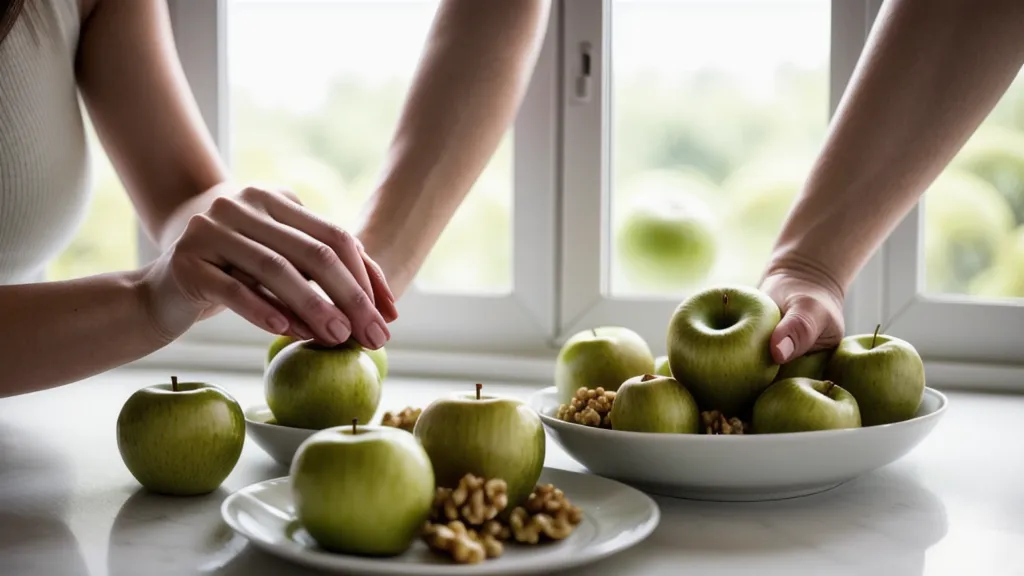
Fat and protein change a fruit's real-world behavior more than its GI number ever will. An apple sits around a glycemic index of 39 on its own, already a reasonable choice, but pair it with almond butter or a small handful of walnuts and the fat slows digestion enough that the sugar trickles in instead of arriving all at once. The same rule applies to protein — a few slices of turkey or a hard-boiled egg next to a bowl of berries does the same job. None of this is complicated chemistry. Just friction, added on purpose, between the sugar and your bloodstream.
Something I picked up early and still use: how I started using apple cider vinegar to lower post-meal glucose made a bigger difference than I expected on days when I wanted a slightly higher-carb fruit, like a pear, without doing the full nut-butter routine. It is not a substitute for pairing, but it is a useful backup when pairing is not practical, for instance, fruit at a work lunch where almond butter is not exactly on the table.
Timing works alongside pairing, not instead of it. Eating fruit as a stand-alone snack tends to hit differently than eating the same fruit right after a protein-heavy meal, when digestion is already slower and insulin is already doing some work. That single shift, treating fruit as dessert rather than a snack, is how I finally beat the 3 PM slump that used to flatten me most afternoons. These days a Friday stacked with four back-to-back HR meetings does not end in the afternoon slump I used to plan snacks around, and that is a better measure of whether something is working than any single meter reading.
How Do I Test a New Fruit Before I Trust It?
Testing one variable at a time is the only way any of this becomes useful information instead of a guess. When I want to try a fruit I have not vetted, I eat it alone first, at a normal portion, without pairing or timing tricks, so I can see what it does on its own before I complicate the picture. A short walk afterward changes the outcome too. Light movement pulls glucose into working muscle and blunts a spike that would otherwise sit around longer, which is worth knowing on its own terms if you have not looked into it. None of this requires a lab. It requires patience and a willingness to write down a number that might not be flattering.
Fiber and protein pairing also affect how sensitive your body is to the next meal, not just the current one. This is an idea usually filed under insulin sensitivity, and one that is bigger than fruit alone. For fruit specifically, though, the practical version is simple: do not test a new fruit on a day when you are also testing a new sleep schedule or sitting through a stressful string of meetings. Isolate the variable, or the data means nothing.
A cheap glucometer makes this whole process faster, though it is worth checking with your own doctor before you lean on one for daily decisions, especially if you are on any medication that affects blood sugar. I am not a dietitian, and none of this replaces actual medical guidance. It is just the testing method that turned fruit from a guessing game into something closer to a system.
The Fruits That Actually Made the Cut
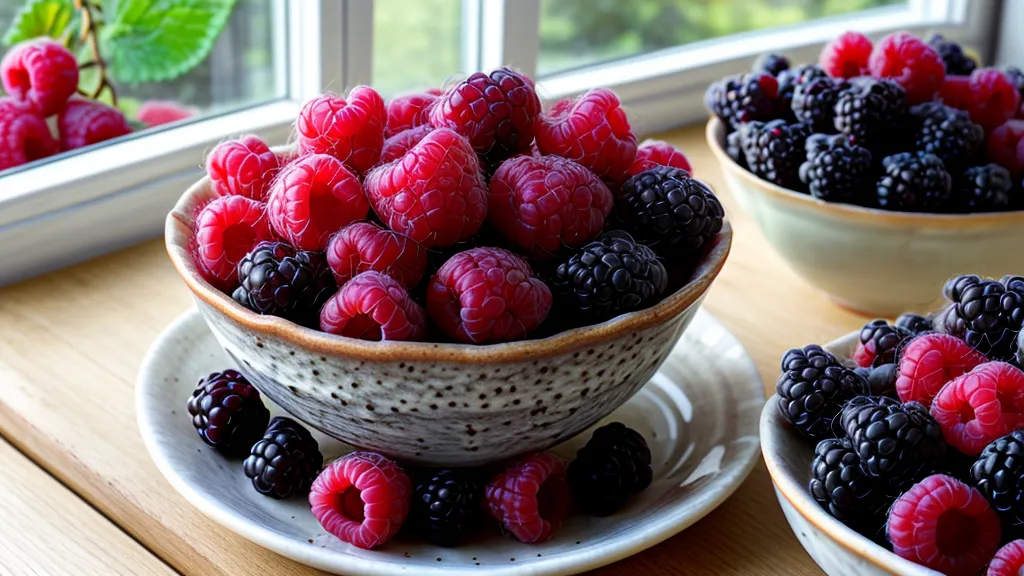
Raspberries and blackberries earned the top spot in my kitchen and have not lost it. Their fiber content is high enough that the sugar barely registers as a spike, and the portion you get to eat for a reasonable glycemic load feels generous compared to almost anything else in the produce section. Green apples come next, specifically Granny Smith, which run lower in sugar than a honeycrisp and give me the crunch I actually crave instead of something mushy pretending to be a treat. Strawberries surprised me. You can eat a real portion of them without approaching that mid-fifties glycemic index territory, and they still feel like dessert instead of a compromise. Grapefruit rounds out the list, acquired taste and all, as long as it does not conflict with any medication, which is worth confirming before you add it to a morning routine.
Dried fruit is the one place this whole system fell apart for me. Dried apricots seemed like an obvious upgrade from a candy bar to keep in a desk drawer, and the first time I treated them as a regular snack, my numbers went in a direction I did not like at all. Removing the water does not remove the sugar; it concentrates it into a fraction of the space, so a handful of dried apricots delivers more fructose and glucose per bite than the same fruit ever would fresh. Whole and fresh beats dried and convenient, every time, for anyone managing this the way I am.
None of this requires turning fruit into an enemy. Pick something with real fiber, pair it with fat or protein, eat it after a meal instead of on an empty stomach, and test one new fruit at a time so the data actually means something. If you want the deeper dive into the kidney-support side of things, my honest take on GlucoBerry after months of living this way covers that part in more detail than fits here. The produce aisle stopped being the scary part of this diagnosis once I had a system instead of a fear.