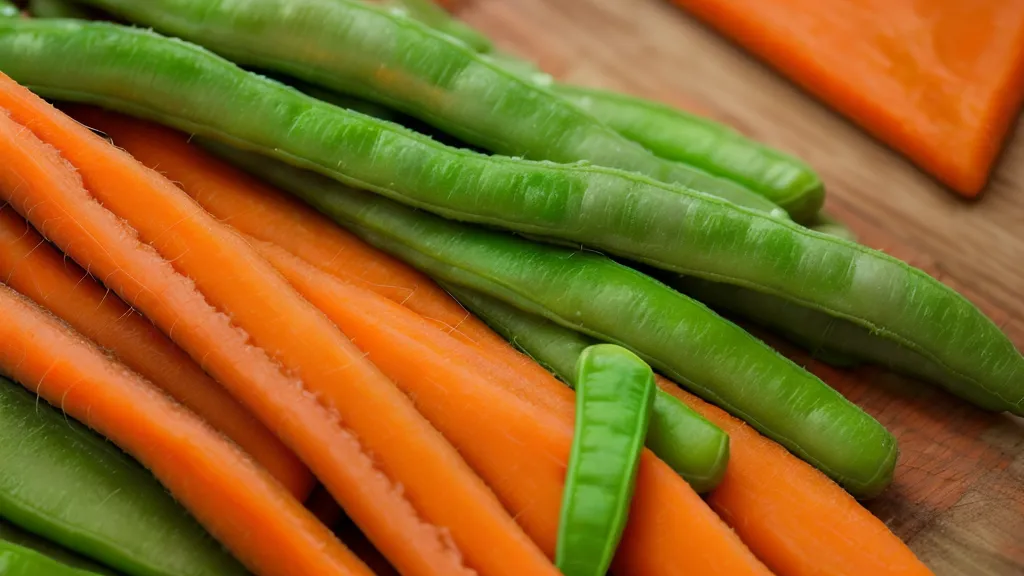
A raw carrot and a bowl of carrot mush come from the exact same vegetable, but your bloodstream treats them like two completely different foods.
That gap is most of the reason I got a little obsessive about vegetable stir-fry technique after I got flagged as prediabetic at a work screening — the same screening I helped organize for the rest of the office, which is its own special kind of humbling. Texture, it turns out, affects glucose management almost as much as what's actually in the pan, and figuring that out is what turned my kitchen into a low-GI cooking lab instead of just a kitchen.
Why Does a Limp Vegetable Spike Your Blood Sugar Faster Than a Crisp One?
Here's the thing nobody warned me about: the Glycemic Index only measures how fast a food raises your blood sugar on a 0-to-100 scale, with pure glucose sitting at 100 — and that number shifts depending on what you did to the food before it ever landed on your plate. Somewhere early in my metabolic balance journey, I learned a raw carrot sits around 16 on that scale. Boil the same carrot into mush, though, and you've changed the food entirely. Overcooking breaks down the fiber walls and complex carbohydrates into simpler sugars before they ever reach your gut, so you're basically pre-digesting dinner on the stove, and your body barely has to work for the glucose it gets.
Stop Prepping Vegetables a Day Ahead
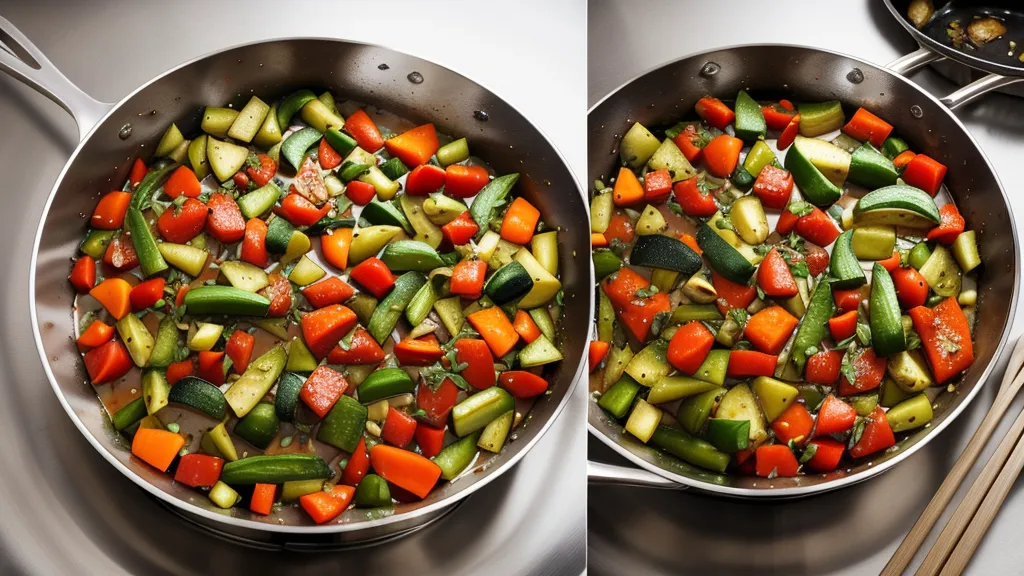
Look, I used to be the queen of Sunday meal prep — chopping everything into neat little containers for the whole week, feeling very organized and very "wellness" about the whole ritual. Then I noticed the vegetables I'd chopped on Sunday went soft noticeably faster than the ones I cut fresh on a weeknight. Cutting a vegetable breaks its cells open, and if those pieces sit in the fridge for days, enzymes get a head start breaking the starches down into simpler sugars before the pan is even hot. Now I don't chop until something is already warming on the stove. It's messier on a Tuesday night, but the payoff in both crunch and glucose response is worth the extra ten minutes.
High Heat, Not Low Heat, Keeps the Crunch
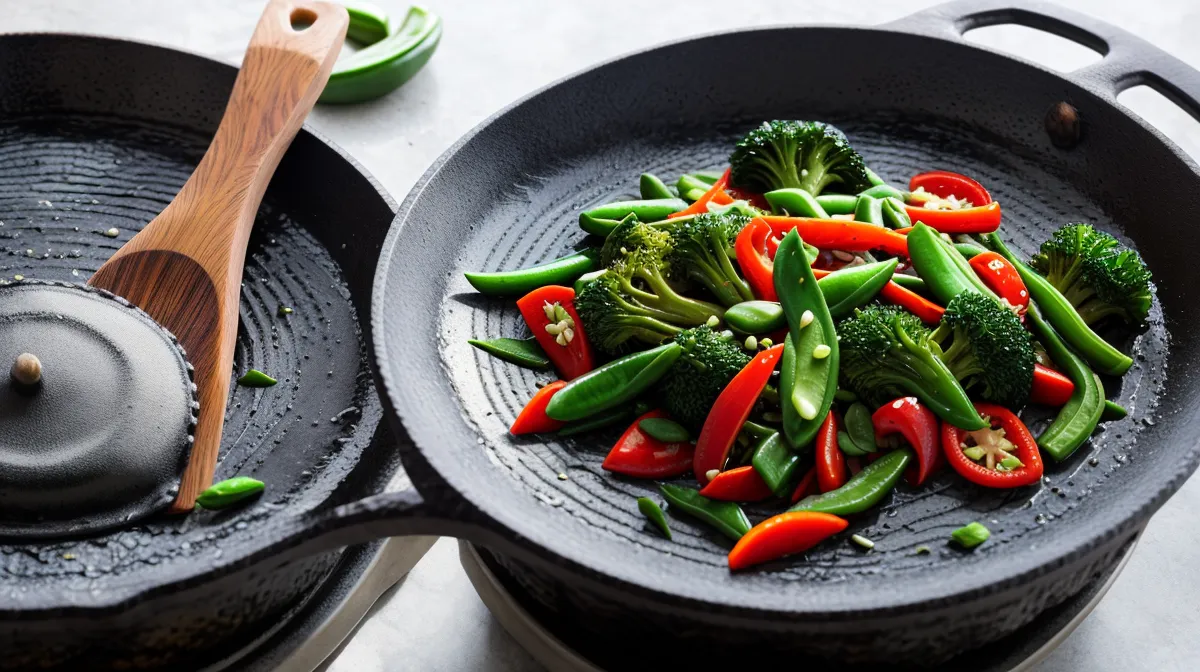
Most of us reach for a splash of olive oil and let vegetables sweat out their moisture over gentle heat, which is basically steaming them in their own juice — and it's exactly how I ended up with that limp, soggy texture for years without realizing what it was doing to my numbers. A real flash-sear needs an oil that can take serious heat without breaking down, which is why I switched to refined avocado oil instead of anything delicate. The vegetables hit a screaming-hot pan, sizzle hard, pick up a little color on the outside, and stay crisp underneath.
I still remember the night I finally nailed the timing — I bit into a snap pea and felt actual resistance against my teeth, that sharp, fresh pop that means the fiber is still doing its job. That pop is the sound of your digestive system having to work for the sugar instead of being handed it, which is the entire point of cooking low-GI in the first place.
Is Your Stir-Fry Sauce Undoing All That Work?
The vegetables were never the hard part — the sauce was. I stood in the condiment aisle once reading the label on a bottle of teriyaki, and high fructose corn syrup was listed before soy sauce. Felt like a small betrayal after all that careful flash-searing.
That's when Noel — a college friend I reconnected with on LinkedIn, who lives about twenty minutes away in Bellevue and drags me along on farmers-market walks most weekends — told me I was thinking about this wrong. Glycemic Index alone doesn't tell you much, she said; what actually matters for an entire meal is Glycemic Load, which factors in how much of that carb you're really eating in one sitting. Bottled sauces are usually thickened with cornstarch or straight sugar to get that glossy restaurant shine, so these days I lean on rice vinegar, ginger, and a little xanthan gum, and I've learned how to use low-glycemic alternatives instead of reaching for a bottle.
Sauce wasn't even the first thing I tried to fix. For about a month I drank a cinnamon-and-honey tonic every morning before work because some wellness blog swore it would blunt my glucose response. It didn't do anything I could measure, and mostly it just made me resent my own kitchen before seven in the morning.
I miss the thick, sweet glaze-style sauces more than I'll ever admit at an office wellness meeting, and I'm not going to pretend a splash of rice vinegar tastes the same. But watching my numbers hold steady made that trade a lot easier to swallow.
The Grain Underneath Can Undo Everything
You can nail every single part of this — flash-sear the vegetables, skip the pre-chop, keep the sauce honest — and then pour the whole thing over a mountain of white rice and undo it anyway. Plain white rice sits around 73 on the glycemic index, solidly in the high range, so you've essentially topped your crisp broccoli with a bowl of sugar.
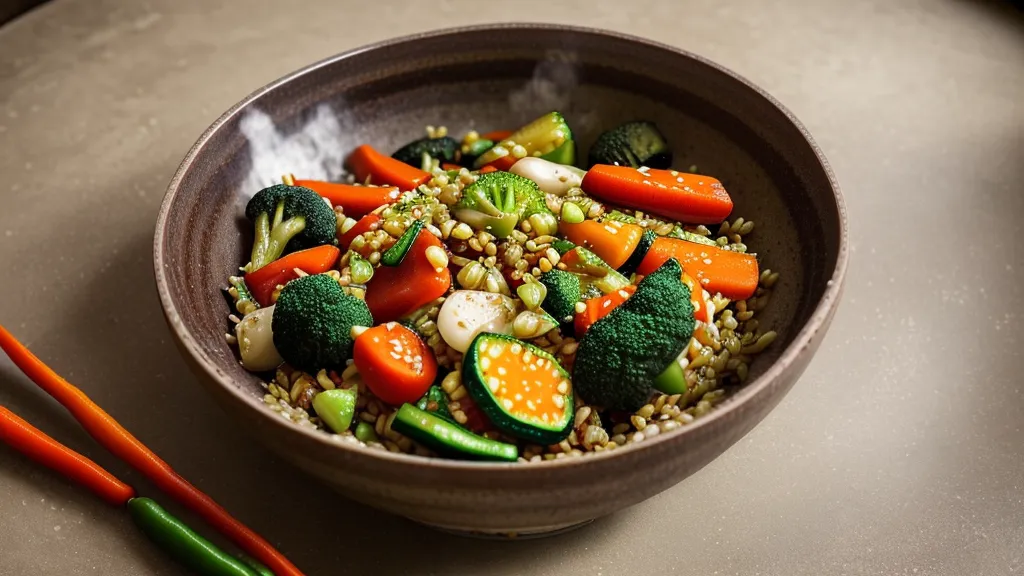
My kitchen lab has tested a few replacements over the months. Sometimes it's low-glycemic quinoa, sometimes pearled barley if I want something heartier and have taken the time to cook it right, but most nights I just double the vegetables and skip the grain altogether. Amara — a woman I met at a nutrition talk at the Kirkland library and still trade notes with — sent me her version of a peanut-and-greens stir fry adapted from a family recipe, no rice needed at all, and it's turned into one of my go-to dinners on a rough week.
Five Weeks In: What Actually Changed
Five weeks into eating this way, I walked past the candy dish by the break room without even registering it was sitting there, which is the kind of thing that would have been unthinkable for the old version of me. Nobody circled that date on a calendar. It just quietly stopped being a pull.
None of this makes me an expert on anyone else's metabolism. It makes me someone who burned a vegetable or two, wasted a month on a tonic that did nothing measurable, and eventually figured out that a stir-fry is basically a chemistry experiment wearing a dinner costume. The crunch isn't just texture — it's information about how hard your body is going to have to work for that plate of food.
Everyone's body runs this experiment a little differently, so treat my numbers as one data point and not a prescription. If you're working through your own prediabetes diet changes, loop in your doctor before making big swings, especially if you're already managing something else. Mine just happens to involve a lot of avocado oil and an unreasonable amount of label-reading.