Sixteen grams. That's how much sugar can hide in two tablespoons of the barbecue sauce sitting on a folding table at a neighbor's driveway party — more than what's packed into a glazed donut — and it's the number that turned me into the woman who shows up to every summer cookout with her own container of vinegar slaw. Prediabetes management doesn't take a season off, and neither does blood sugar control, no matter how good a backyard looks on the first warm Saturday of the year here in Seattle.
A reader named Lynda Ostrowski emailed me a few weeks ago, not long after finding my glycemic-index cheat sheet, and her question has been rattling around in my head since: what do you actually eat at a backyard cookout when every side dish is basically a science experiment in sugar? I owe her a better answer than the one I gave in that first reply, so here it is.
My own diagnosis came out of a routine screening at the company where I run HR — the kind of screening I'd helped design, which made a 5.9 A1C result feel like a personal insult. I spent the first month convinced the lab made a mistake, eating my usual sourdough and granola like nothing had changed. Then a follow-up test came back worse, and denial stopped being an option.
Before any of this, I tried the easy fix, a bottle of chromium picolinate a wellness blog swore would handle my numbers on its own. It didn't. My stomach hated it, I felt jittery for no reason, and my next glucose readings looked exactly the same as before. Food, it turned out, was going to matter more than anything sold in a capsule.
Building a Low-GI Plate Before I Even Leave the House
My prep for a BBQ actually starts at my own kitchen counter, in the Bothell–Kenmore corridor northeast of Seattle where I live, hours before I ever get in the car. There's a bulletin board over the counter these days, cluttered with printed glycemic-index charts and notes-to-self only I could decode, plus a shelf of labeled jars — dried lentils, steel-cut oats — that make the room look more like a lab than a kitchen. By the third time I stir the oats some mornings, the steam off the pot smells warm and a little earthy, nothing like the sugary cereal-box smell I grew up on.
A standard white burger bun runs a glycemic index of roughly 75 — practically rocket fuel for a spike — so I make my own almond flour buns instead, which land closer to a GI of 15. That's a 60-point swing just from changing the bread, and it's the difference between coasting through the afternoon and needing a nap by three.
My desk neighbor Fatima leaned over the divider at work and asked the question I hadn't actually answered for myself yet — do I heat the buns there, or bring them already toasted? It's such a small logistical thing, but she's always the one who catches the gap in my plan before I do.
The Vinegar Shot Nobody at the Party Sees
Before I get out of the car in whatever driveway I've parked in, I take a straight shot of apple cider vinegar — no chaser, exactly as unpleasant as it sounds. Some research tied to the Glycemic Index suggests vinegar can help with how your body responds to insulin, and whether that's the whole story or not, it feels like buckling a seatbelt before I walk into a table full of potato salad and honey-glazed everything.
I buy the vinegar and almond flour in bulk now, at the QFC on Aurora Avenue North in Seattle, enough that a cashier once asked if I was pickling something. Sort of, I told her — just not vegetables. The vinegar-based slaw I bring along matters just as much as the bun swap, because the sweet mayo dressings everyone loves around here will spike me exactly as fast as the ribs will. It's the same sneaky-sugar problem I ran into when I found out why your 'healthy' smoothie is spiking your glucose — sugar doesn't announce itself, it just shows up in the ingredient list of things marketed as good for you.
Why Grilled Corn Turned Out to Be a Trap
Here's the thing nobody warns you about: grilled corn and skewered potatoes aren't the safe choice they look like. I used to load up on them, feeling like the gold-star student of prediabetes management, until my glucose monitor told a different story. Charring starchy food changes it through something called starch gelatinization; the short version is that heat makes the starch easier for your body to convert into glucose, fast — and I didn't need to understand the science to feel the crash that followed.
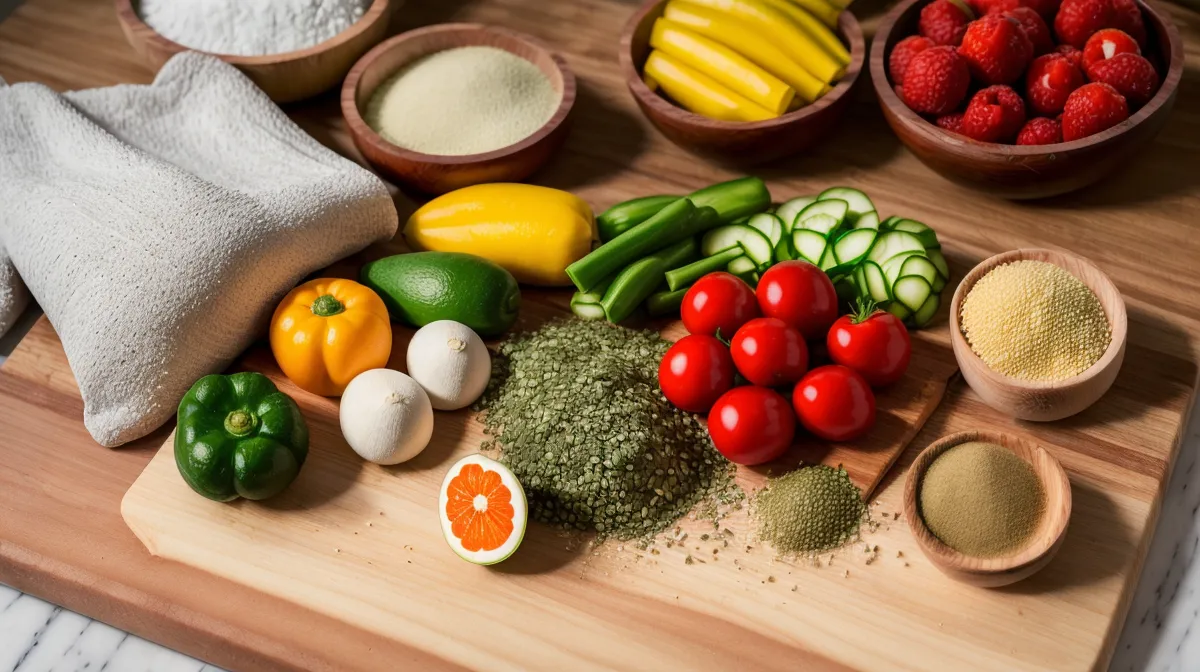
Now I stick to zucchini, bell peppers, and asparagus on the grill. No starch getting reshaped by the heat, so the char marks stay just char marks. It's a small distinction that sounds silly until you're the one reading labels at every single cookout, and it's exactly the kind of sugar trap most people never think twice about.
Turning Down the Famous Ribs Without a Speech
My neighbor showed up with his 'famous' ribs, a sticky honey glaze he's been perfecting for years, and the old version of me would have taken two just to be polite. I didn't want to be the HR lady lecturing anyone about insulin resistance at a cookout. But I've put real effort into figuring out how I beat the 3 PM slump without sugary snacks, and I wasn't about to trade an afternoon of feeling clear-headed for five minutes of ribs. I told him they looked incredible and that I was sticking with the dry-rubbed chicken.
Look, none of that anxiety mattered. He just shrugged and moved on to the next plate, and every bit of dread I'd been carrying about being 'that guest' evaporated right there in the driveway. Most people aren't tracking what you eat nearly as closely as you are.
What Six Weeks of Watching My Numbers Actually Taught Me
Six weeks after I started treating my kitchen like a lab instead of a source of guilt, my nurse practitioner stopped scrolling through my chart mid-sentence, went quiet a beat longer than felt normal, and turned the screen around to show me the number herself instead of just reading it out loud.
That's the six weeks I thought about walking home from the BBQ that evening. The sun was doing that pink-orange thing over the water, and instead of dragging my feet toward the couch the way I used to after a big meal, I felt steady, genuinely steady, not just relieved it was over. Walking after eating apparently helps your muscles pull glucose out of your bloodstream on their own, and a twenty-minute walk home did more for me that night than any amount of ribs-related willpower.
I'll say the obvious part anyway: none of this replaces an actual conversation with your own doctor about your own numbers. But for me, on that particular Saturday, it worked.
If there's one thing that BBQ actually taught me, it's that the food fight gets easier once you stop trying to out-willpower a party and start planning your plate the way you'd plan a budget: decide what you can't move on before you walk in, and let everything else be someone else's problem. That's the whole trick. Not the vinegar, not the almond flour buns — just deciding ahead of time what actually matters.
That's the answer I should have given Lynda the first time she asked. Better late than never.