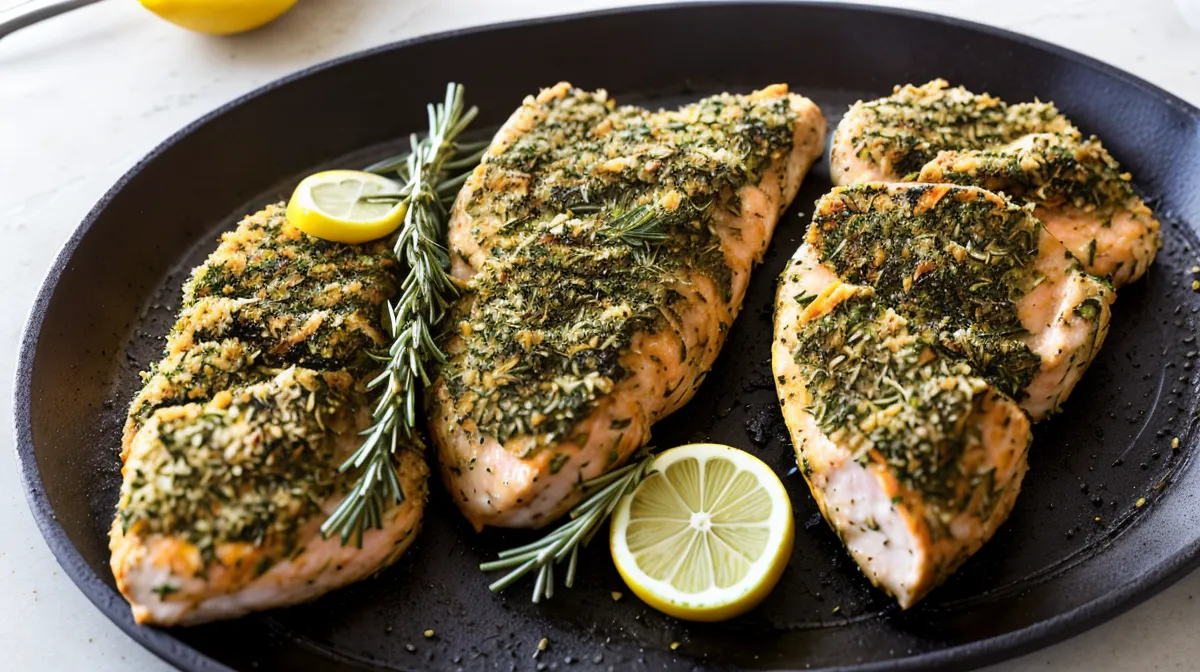
Tongs in one hand, instant-read thermometer in the other, I'm already turning the chicken on the grill when it hits me again: a prediabetes diet doesn't have to taste like punishment, no matter what the glossy low-GI recipes blogs make it look like. I used to think healthy grilling meant dry, sad meat and a side of resentment. These days blood sugar management and an actual appetite mostly get along at my house, and dinner stopped being the thing I dreaded every night around five.
Here's the thing nobody mentions when you first get diagnosed: there isn't one right way to grill a chicken breast, there are two completely different philosophies, and most of us default to the wrong one without noticing. Running wellness programs for other people and then failing my own screening test was its own special kind of irony. Once the panic wore off into something more useful, I started treating my kitchen like a side-by-side experiment — the fast way I'd always cooked chicken, set directly against the slower way I was being forced to learn.
Two Marinades, One Chicken Breast
The fast way starts in the condiment aisle. For years my go-to move was grabbing whatever bottled teriyaki or sweet barbecue sauce was already open in the fridge door, pouring it heavy, and calling it marinade. It was fast, it masked the dryness of overcooked chicken, and I never once turned the bottle around to check.
Then, standing in the sauce aisle at PCC Community Markets in Edmonds comparing two nearly identical glazes, I actually read the ingredient list on my favorite one. High-fructose corn syrup, first ingredient. Not third, not fifth — first. A standard two-tablespoon pour of a sweet glaze like that can carry 12 to 16 grams of added sugar, and nobody in my kitchen was ever measuring out two tablespoons. I was closer to a quarter-cup, which turns a zero-carb protein into something closer to dessert before it even touches the grill. I got into the math of this more in Beyond the 'Healthy' Label: What My Suburban Seattle Kitchen Taught Me About Glycemic Load, but watching it happen on my own grill grates made it land differently.
The slower way skips the bottle entirely. Fresh lemon juice or apple cider vinegar, crushed garlic, olive oil, whatever herbs haven't given up on my windowsill yet — acid and fat instead of sugar and starch. It takes a little longer to whisk together than opening a bottle, and it doesn't caramelize into the same sticky, pretty crust. But plain chicken breast carries a glycemic index of zero on its own, and the acid marinade keeps it that way instead of quietly erasing it. The sweet glaze wins the first bite, every time. The acid marinade is the only one that doesn't leave me checking a glucometer an hour later wondering what went wrong.
Why Healthy Grilling Doesn't Mean Trimming Away Every Trace of Fat
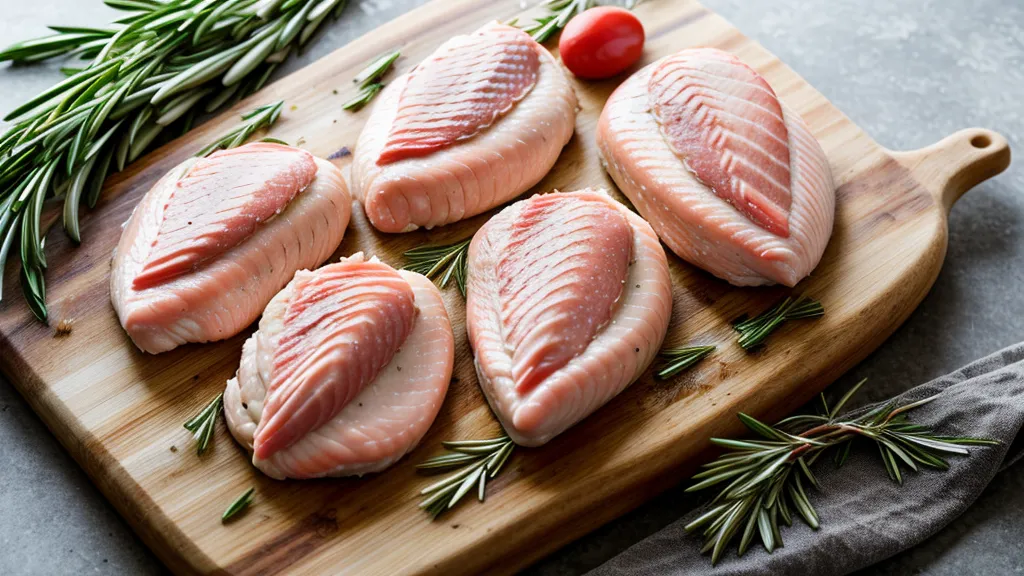
Once I ditched the sugary glaze, I overcorrected hard. I bought the leanest boneless breasts I could find, trimmed away every visible fleck of fat with kitchen shears, and grilled them bone-dry with nothing but garlic salt. The result chewed like an old sneaker — genuinely one of the worst things I've put in my own mouth on purpose.
Here's where the two philosophies split again. Nineties diet culture — the version still rattling around in the back of most of our heads — treats fat as the enemy on a chicken breast. My own kitchen taught me the opposite is closer to true when you're managing blood sugar: it's sugar and refined starch doing the real damage, not the small amount of natural fat already sitting under the skin. Fat slows digestion down, and slower digestion means whatever carbs are already on the plate hit your bloodstream more gently instead of all at once. Strip every trace of fat off the breast and you lose that cushion, and you also lose the moisture that keeps the muscle fibers from turning to rope over high heat. Leaving a thin trim of natural fat, plus working extra virgin olive oil or avocado oil into the marinade, does more for blood sugar management than the all-lean version ever did, and it's nowhere near as sad on a fork.
Blasting It vs. Easing It Across Two Heat Zones
The fast way throws the chicken straight onto blasting heat and prays. The thick end stays nearly raw while the thin tail chars, and by the time the center is finally safe, the edges have turned to sawdust. That unevenness alone used to send me straight back to a plate of pasta, because at least carbs cook predictably.
Instead, the slower way treats prep like an actual plan rather than an afterthought. Pound the thick end of the breast — inside a zip-top bag or between two sheets of parchment — until the whole piece sits at roughly an even three-quarters of an inch thick, so every part of it cooks at the same rate. If there's twenty minutes to spare, a quick brine, a tablespoon of kosher salt dissolved into two cups of cool water, changes the protein structure enough that the meat holds onto its own moisture under high heat. Then comes the marinade itself: lemon juice or vinegar, crushed garlic, a glug of olive oil, rosemary or whatever's still alive out back — no honey, no maple syrup anywhere near it.
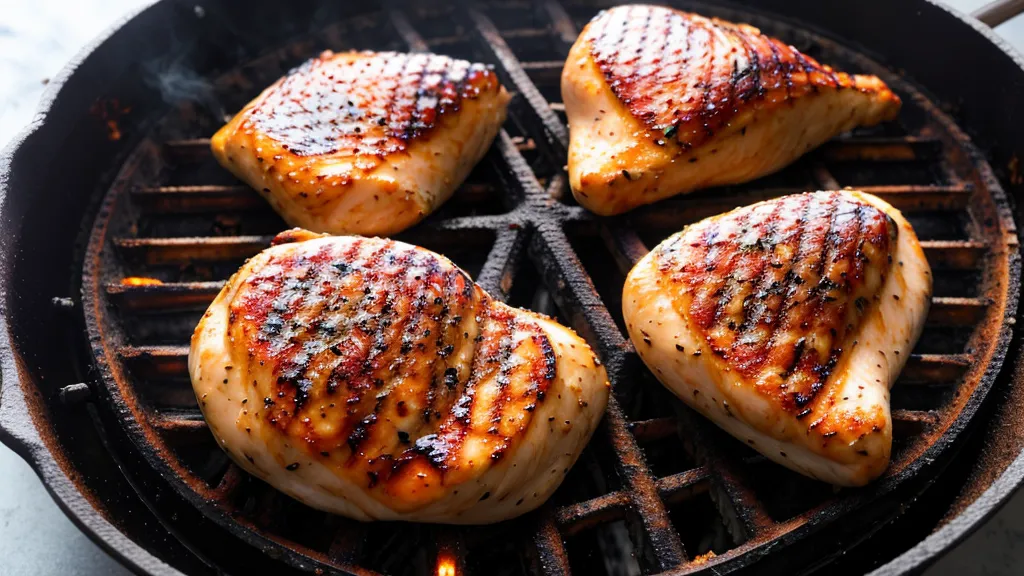
On the grill, the split between methods matters just as much as what happens before it. One side stays hot for a real sear, the other side stays low or off entirely so the chicken can finish gently. Sear the marinated breast over direct medium-high heat for three to four minutes a side, until it actually has grill marks and the herbs have started to char, then slide it to the cooler side and close the lid.
The number that actually matters is 165°F in the thickest part, the USDA's safe minimum for poultry, not the 175°F or 180°F a lot of us drift toward out of nerves. Past 165°F, you're not making the chicken any safer. You're just making it chewier. Pull it right at that number, tent it loosely with foil, and leave it alone for five full minutes so the juices redistribute instead of pooling on the cutting board the second you slice in. For what it's worth: I run an unruly spice rack, not a medical degree, so any sweeping change to how you manage your own numbers is a conversation for your own doctor, not a grilling article.
What Actually Shows Up on the Plate Two Hours Later
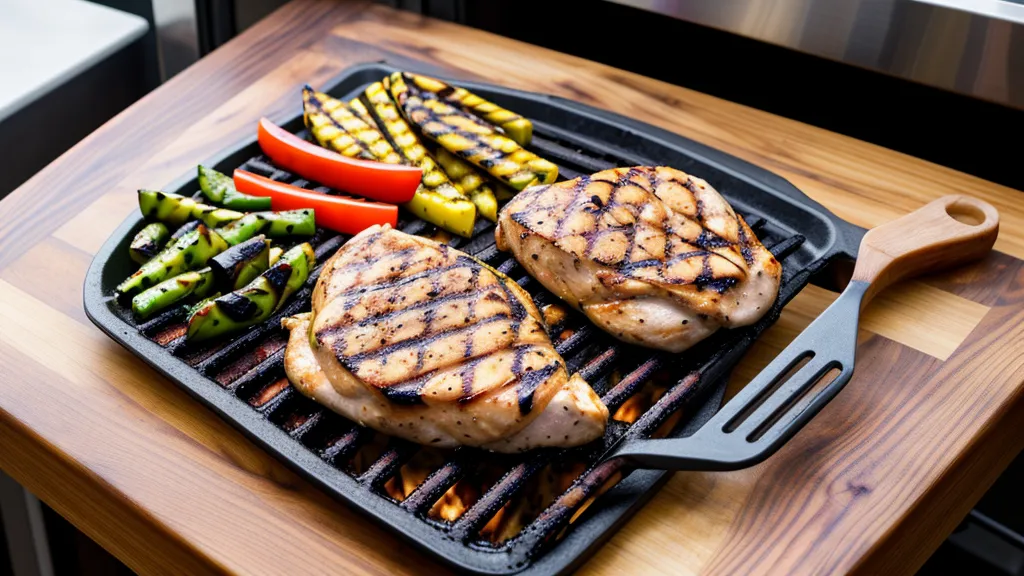
A good marinade and the right heat only get you halfway there. What ends up next to the chicken decides whether the whole plate behaves itself for the next couple of hours. Non-starchy vegetables, zucchini, summer squash, whole asparagus, tossed on the grill with avocado oil and sea salt add real fiber without the fast carbs, and that fiber quietly slows down how fast the entire meal digests. The order food hits your stomach seems to matter too: protein and vegetables first, anything starchy saved for last, instead of filling up on bread before the chicken even lands on the table. Shortcuts around any of this tend to backfire. I once tried fixing my mornings instead of my dinners, swapping breakfast for a green juice, and spent every one of those mornings white-knuckling a growling stomach by mid-morning, wondering why a vegetable drink wasn't holding me over the way real food does.
For side dishes that don't rely on the same tired steamed broccoli, I've written separately about How to Roast Cauliflower for Stable Blood Sugar and Better Texture and How to Stir Fry Vegetables for the Best Glycemic Results, both of which came out of the same kind of trial and error as this chicken did.
The difference between the fast dinner and the slow one shows up hours after the plates are cleared, not during the meal itself. After the deliberate version, acid marinade, two-zone heat, non-starchy sides, I've tested my own blood sugar afterward and watched it stay flat. No spike, no crash. One particular afternoon sticks with me: two o'clock came and went without the headache that almost always shows up behind my eyes right around then. After the fast version, sweet glaze, blasted heat, nothing but the chicken itself, that same afternoon slot usually still arrives with a fog I used to blame on being tired, long before I understood what the night before's dinner had to do with it.
Which Method Actually Belongs in Your Weeknight Rotation?
My friend who makes it to Pilates reformer classes twice a week is convinced that enough movement cancels out whatever lands on the dinner plate. It doesn't, not for blood sugar management anyway — exercise and food are doing two completely different jobs, and no amount of reformer work undoes a quarter-cup of sweet glaze the way a vinegar-and-garlic marinade does.
So here's the honest trade-off, side by side. The fast method, bottled sauce, trimmed-dry chicken, heat blasted straight through, genuinely saves real time on a rushed night, and there are nights with kids underfoot, a late meeting, and zero bandwidth where saved time is the whole ballgame. On those nights, at least skip the glaze with corn syrup listed first and reach for mustard or vinegar instead, and call that a partial win. The slower method, acid marinade, a little retained fat, two-zone heat, a thermometer you trust more than your gut, is the one worth reaching for whenever there's room to spare, because it's the only version that doesn't send me hunting for a glucometer with my fingers crossed afterward. Choose the fast method when time is the one thing you can't buy back. Choose the slow method every other night, which is most nights, because it's the version where dinner tastes like something I chose instead of something I survived.
I still miss thick-cut white bakery bread more than I'll ever admit at a work lunch. But a dinner that tastes genuinely good while keeping my numbers flat beats anything that used to come out of a drive-thru bag, glaze included.