A baked russet potato sits in the high 80s or low 90s on the glycemic index, and a head of cauliflower sits closer to 15 — numbers that made swapping one for the other look like the easiest fix in my low-glycemic-cooking, prediabetes-diet overhaul, right up until my cauliflower came out of the oven grey, waterlogged, and tasting like a punishment instead of a win. Three weeks of sheet pans like that will make anyone question the whole project.
Lynda Ostrowski — a reader who's emailed me regularly since my glycemic-index cheat-sheet post — asked a question I'd never actually answered anywhere on this site: why does a vegetable with almost no measurable effect on blood sugar turn into sweet, soggy mush for so many people trying to eat lower-glycemic at home? That email is the reason this post exists. Nobody fails at cauliflower because of the vegetable. They fail at the pan.
Why Does a Low-Glycemic Vegetable Still Taste Like a Punishment?
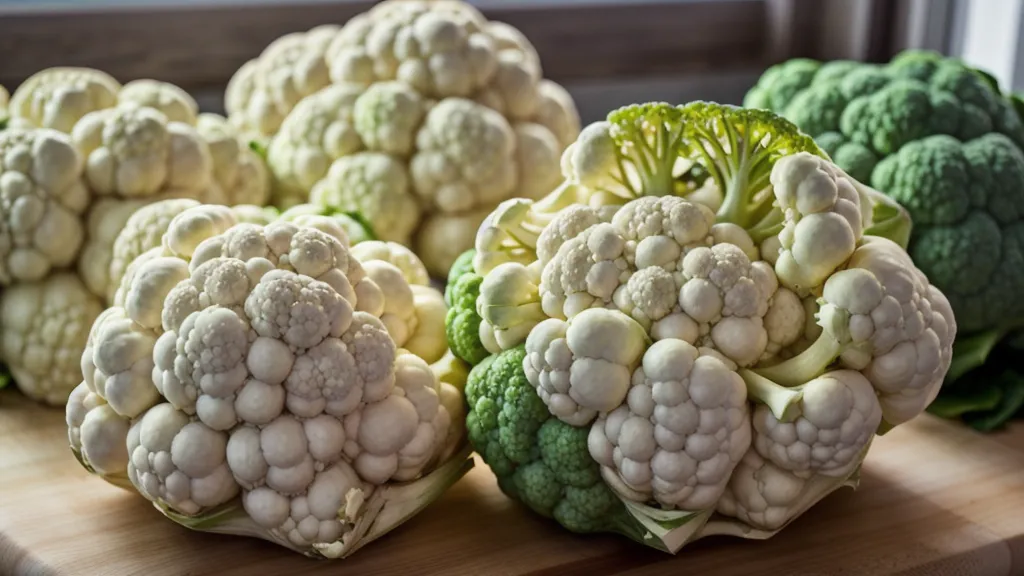
Here is the thing about the raw numbers: cauliflower delivers about 5 grams of total carbohydrate per 100 grams, with roughly 2 of those grams coming from fiber, leaving a net carbohydrate impact of around 3 grams. That glycemic-index number near 15 is genuinely tiny next to a baked potato's 80s or 90s.
None of that math matters if the texture makes you want to quit. For my first weeks of eating this way, my cauliflower came out soggy, bland, and strangely sweet in that boiled-cabbage way nobody enjoys. I'd followed the standard oven instructions, tossed florets haphazardly with a little oil, and ended up with a mush that made the whole low-glycemic-cooking project feel like a punishment rather than a plan.
Before I'd even gotten the pan right, I'd tried chromium picolinate supplements after a wellness blog promised they'd smooth out my fasting numbers; they didn't move anything I could measure, and I wasn't about to let a sad vegetable talk me out of real food either. Cooking vegetables for blood-sugar stability isn't about what you buy — Costco, a produce stall at Pike Place Market, it doesn't matter — it's about how heat and moisture transform what's already on the sheet pan.
Just like learning how to stir fry vegetables for the best glycemic results, roasting rewards anyone willing to respect the vegetable's own moisture instead of fighting it.
Steam Is the Real Reason Your Roasted Vegetables Turn to Mush
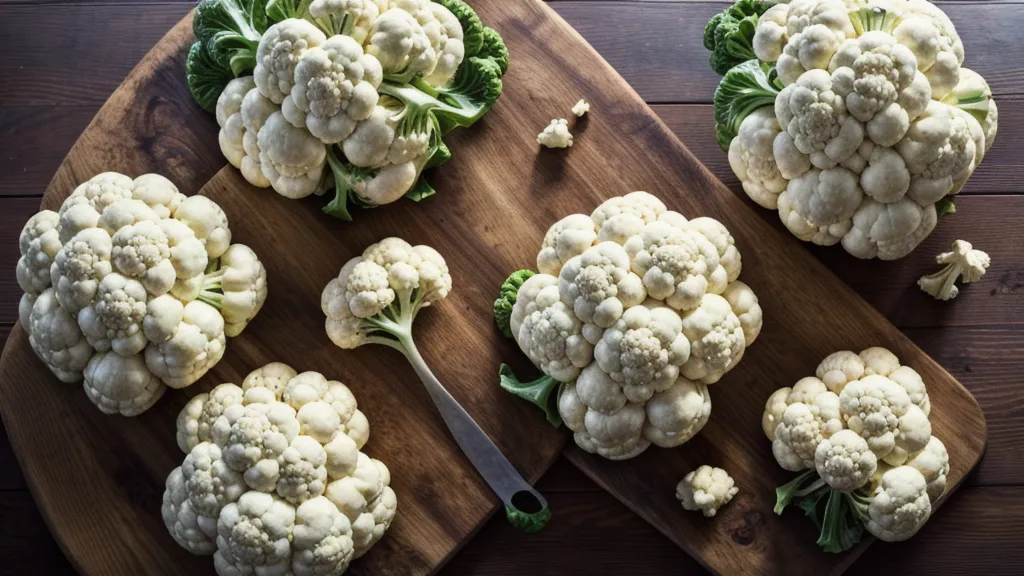
Stop crowding the baking sheet. That's the single biggest fix, and it's also the one nobody wants to hear, because it means more pans and more dishes.
Crowding traps steam. When two full heads of chopped florets land on one standard rimmed sheet, the water escaping each vegetable cell has nowhere to go, so it pools on the metal and hangs in a thick vapor cloud just above the food. The surface temperature gets stuck right around water's boiling point of 212 degrees Fahrenheit, and at that point you're not roasting anymore — you're braising in a thin layer of your own vegetable's moisture.
Getting a savory, almost potato-like crust depends on the Maillard reaction, the browning that happens between amino acids and sugars on a food's surface. That reaction barely starts below 300 degrees and really gets going around 400 degrees Fahrenheit. Trapped moisture keeps the surface from ever climbing that high, so the florets stay pale, waterlogged, and soft instead of blistered and nutty.
Texture even plays into the glucose-spike side of things, though the full mechanism is its own topic for another post. Mushy florets seem to hit my system faster than crisp ones do, and keeping some bite in the vegetable, rather than cooking it down to baby food, is part of why the crispy version treats my numbers better than the soggy one ever did.
The Kitchen-Lab Method for Crisp, Blood-Sugar-Friendly Cauliflower
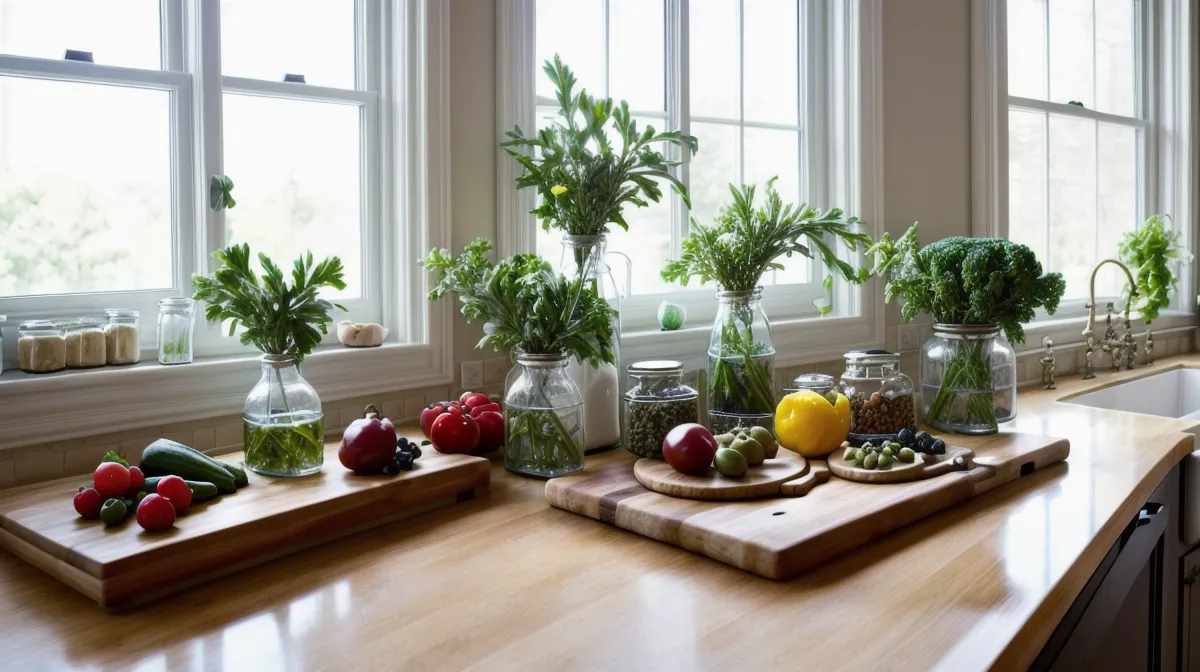
My desk neighbor Fatima Idrissi asked the question that actually mattered when I described this method at work: why two sheet pans instead of one bigger one? It's a fair thing to ask, and it's the first rule below — worked out at my own counter here in the Bothell-Kenmore corridor, under a corkboard that's gone from decorative to functional, mostly glycemic charts and reminder notes these days, next to an open shelf of Mason jars holding more lentils and steel-cut oats than my pantry ever held potatoes.
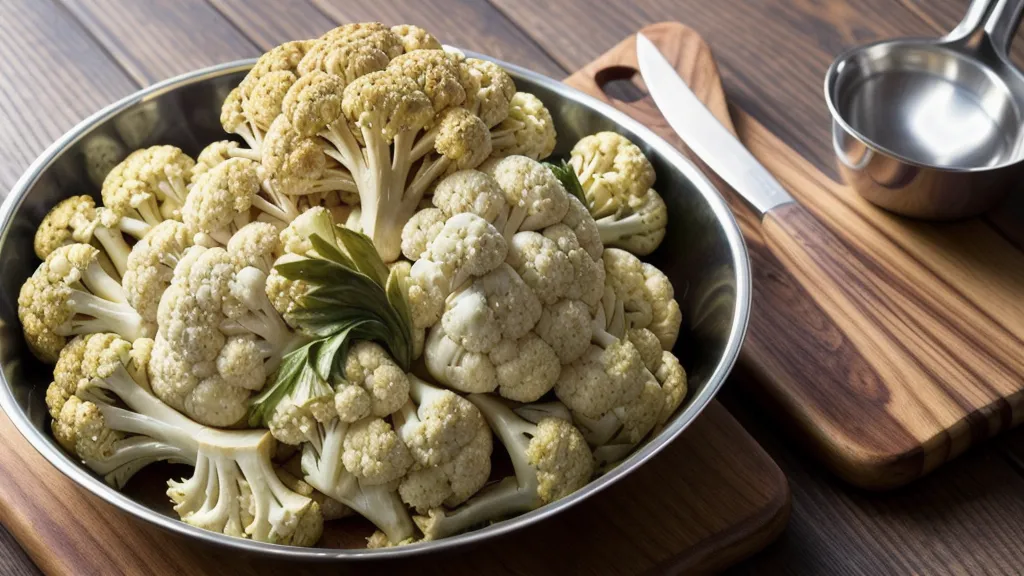
Start by slicing the head into thick slabs or florets with at least one wide, flat side, using a heavy knife rather than snapping it into small irregular balls — that flat surface against hot steel is where browning actually happens. Dry every piece aggressively; if you rinsed the head before cutting, a clean towel needs to pull off every visible droplet, because any surface water turns straight to steam the second it hits the oven. Preheat the sheet pan itself at 425 degrees Fahrenheit, sliding the bare rimmed pan into the oven while it heats, so the metal is already working for you the instant the florets touch down instead of starting cold. If you're roasting a whole head — the kind of thing you'd pick up at Costco — split it across two separate pans instead of one, because every floret needs roughly an inch of open air around it. Toss everything with oil and salt in a mixing bowl before it goes anywhere near the pan, using about two tablespoons of a high-heat oil like avocado or extra virgin olive oil along with kosher salt, since drizzling oil over an already-crowded sheet just coats half the vegetable and misses the rest.
You'll hear it the second the florets hit a properly preheated pan — a sharp, immediate sizzle, not a quiet hiss. Roast undisturbed for about 20 minutes, flip everything once with a sturdy metal spatula, and give the other side another 10 to 12 minutes until the edges are blistered and deeply browned.
Pairing Fat and Acid Flattens the Curve Even Further
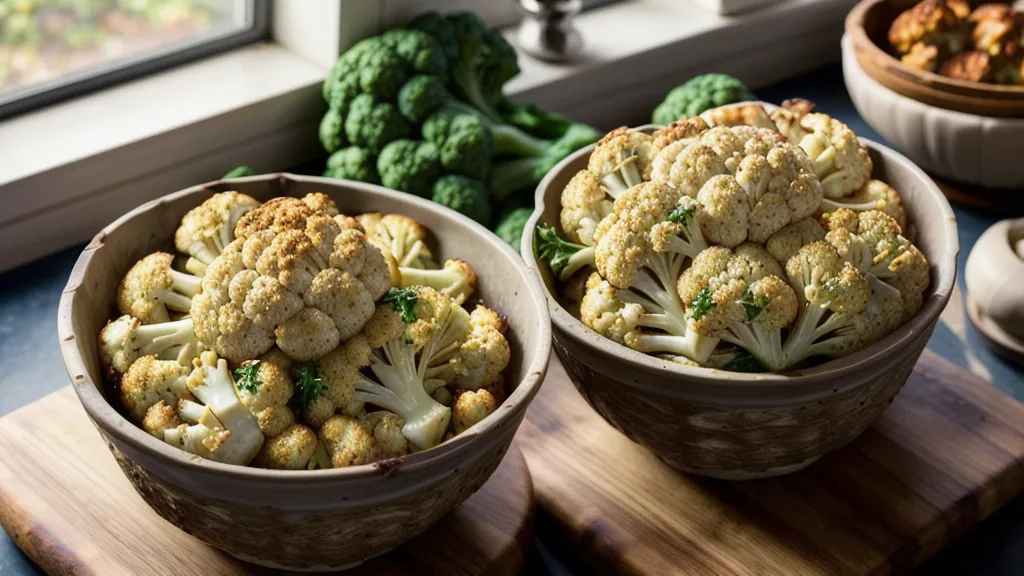
Cauliflower on its own barely registers on the glycemic index at around 15, but pairing roasted vegetables with a healthy fat flattens the curve even more by slowing how fast the stomach empties — a food-sequencing trick that deserves its own deep dive sometime, but the short version works fine here.
Straight out of the oven, I toss the blistering florets with a tablespoon of fresh lemon juice, a pinch of ground cumin, and a drizzle of sesame tahini. The fat clings to the caramelized edges, and the acid cuts through the vegetable's natural sulfur smell enough that it stops reading as diet food entirely.
The difference shows up on the glucometer, not just on the plate. These days the cap comes off before the coffee maker even finishes gurgling, more from habit than worry — and one night a bowl of this roasted cauliflower rice put me at 112 after dinner, where a similar-sized bowl of plain white rice had put me at 156 another night. Testing after a meal like that is what actually tells you something about one specific food, rather than blurring together everything you ate that day.
I pair a tray of this with shredded rotisserie chicken, or serve it alongside a grain dish the way I do when exploring how to cook pearled barley for the lowest possible glycemic impact. Combining a complex carbohydrate, crisp fiber, and a monounsaturated fat keeps my numbers smoother after dinner, without the sharp dip that used to send me hunting through the pantry at midnight.
None of this makes me a doctor or a dietitian — I'm an HR manager who ended up running her own kitchen like a slow-motion audit. Every body answers differently to the same plate, so treat any number here as one data point, not a prescription, and loop in your own doctor about what your targets should actually be.
What a Properly Roasted Vegetable Actually Buys You
Glycemic load — the fuller number that factors in actual portion size, not just the index — is the bigger lesson sitting underneath all of this, and it deserves its own explanation somewhere else on this site. For a single roasted vegetable, the takeaway is smaller: an inch of space, a preheated pan, and a dry floret get you a texture worth eating.
Fiber is doing real work here too, even if two grams per 100 grams sounds unimpressive on a label. Swapping a starchy side for a lower-glycemic vegetable is one of the simplest changes available to anyone newly staring at a prediabetes diagnosis, and getting the vegetable itself right, crisp instead of mush, is what decides whether that swap sticks past the first disappointing batch.
Give the florets room to breathe, trust the preheated pan over your instinct to crowd it, and let the heat do the part that steam never could. That's the whole method — the rest is just deciding what to toss it with once it comes out blistered and ready.