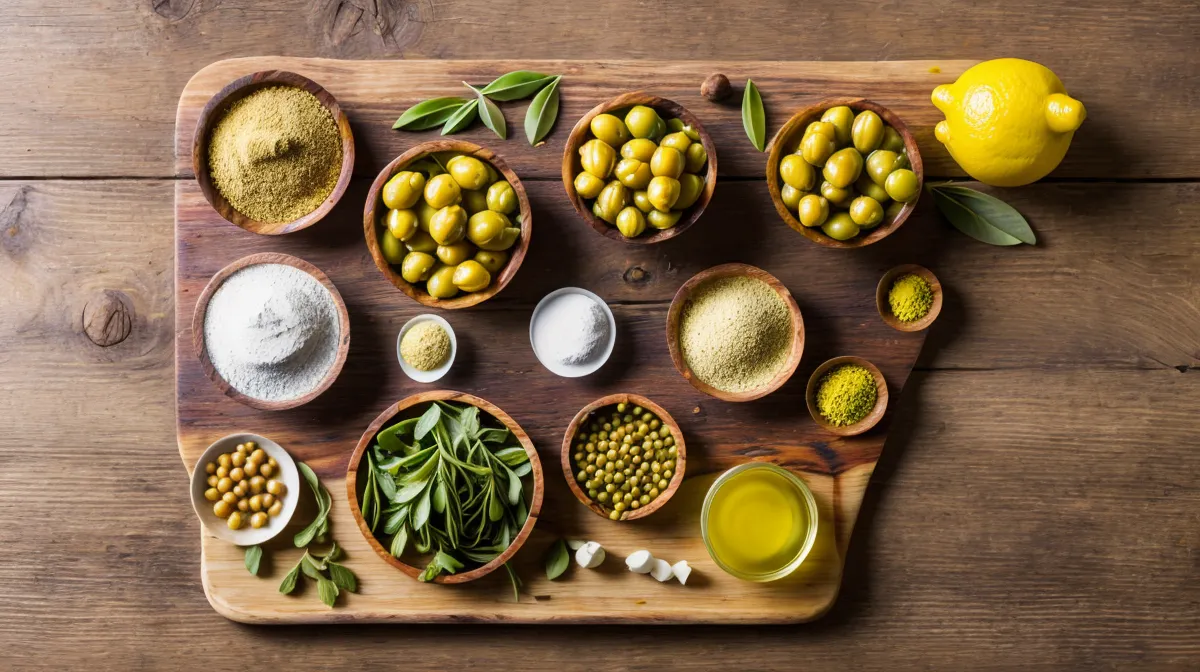
Two of my favorite so-called "healthy" habits were quietly wrecking my blood sugar for the better part of a year — a bowl of hummus with pita bread most lunches, and an orange first thing in the morning because fruit felt like the safe choice. Both are textbook Mediterranean diet staples. Both, eaten the way I was eating them, were working against the low-glycemic lifestyle I thought I'd already built after my prediabetes diagnosis.
Is the Mediterranean Diet Actually Safe for Blood Sugar?
Here's the misconception I want to take apart, because I fell for it myself: switching to a Mediterranean diet does not automatically mean you're eating low-glycemic. Doctors and wellness programs point people with prediabetes toward "eat like they do in Greece" as if that settles the whole question. It's genuinely one of the better long-term patterns for heart and metabolic health — I'm not arguing against it. But it's not a shortcut around paying attention to what individual foods do to your blood sugar. Chickpeas, farro, sweet potatoes, dried fruit, a glass of juice — every one of them is a Mediterranean staple, and every one of them can spike a prediabetic's glucose if you eat it the way a cookbook photo suggests.
It's been three years since my own screening came back in the prediabetes range, and this misconception is still the one I run into most, from readers, from coworkers, from the wellness newsletters that land in my own inbox at work.
The Staples That Still Spike You
Look at the Trader Joe's on Roosevelt Way NE, I can stand in the pasta aisle for ten minutes turning boxes over, and it still surprises people that whole wheat and white pasta land closer together on a glycemic index chart than the packaging wants you to believe. Cooking time changes the number too — pasta and rice cooked al dente, or cooled and reheated, behave differently in your body than the same food boiled soft and eaten hot, because of how the starch structure holds up. It's a genuinely useful trick, and I lean on it more than people realize, though the how-to of it belongs in its own post rather than this one.
Fruit is the other trap. A whole orange and a glass of orange juice are not the same food once they hit your bloodstream, even though the nutrition label math looks close, because juice strips out the fiber that would have slowed all of it down. I didn't want to hear that when I first read it. I definitely didn't want to hear it about the pita.
Order Matters More Than the Ingredient List
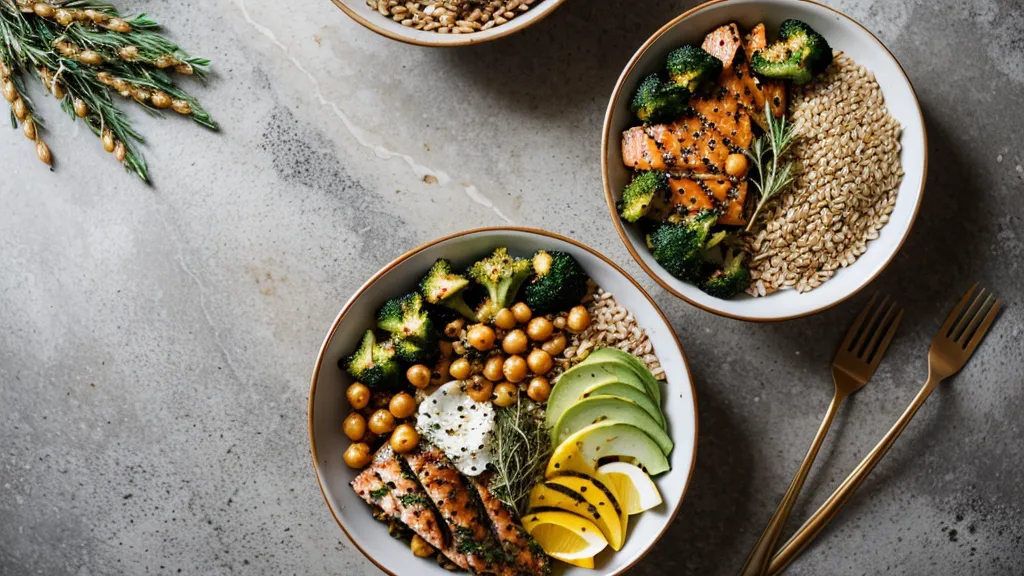
The other thing nobody tells you is that eating the exact same foods in a different order changes the outcome. Vegetables and protein first, starch last — that single habit changed more for me than almost anything else I've tried, something I got into in more depth when I wrote about why my kitchen lab beat the official nutrition guide. A splash of vinegar before a carb-heavy plate seems to help too, in my experience; I keep a small bottle in my bag more often than I'd like to admit. Even a short walk after eating, just to the mailbox and back, seems to matter more than people expect. None of these are complicated. They're just not the advice anyone leads with.
What Didn't Work Before I Figured This Out
My first real attempt at fixing this was cutting all the obvious sugar — no more soda, no more grabbing anything from the breakroom bowl, no more muffins before a meeting — while still eating the same white bread, pasta, and rice I'd always eaten. My numbers didn't move. If anything, they got worse, because none of the actual carbohydrate load had changed, just the sugar sitting on top of it. It took me embarrassingly long to connect the two.
Fatima, who sits two desks over in HR and has watched most of this unfold in real time, never once told me what to eat. She'd just quietly close her office door when someone made a comment about my lunch, which is its own kind of support.
There's a specific memory I keep coming back to from around that time, pulling a pair of jeans out of the back of my closet, ones I hadn't worn in over a year, and stepping into them standing up instead of lying flat on the bed the way I used to have to. Nobody warns you that progress shows up in moments like that instead of in a lab report.
Build Your Plate Like a Buffer, Not a Bowl
If you take one thing from this, take the plate order, not a shopping list. Build your plate so vegetables and protein show up first and the starch shows up last, in a smaller portion than you think you need. You'll see botanicals like Gymnema sylvestre come up constantly in prediabetes forums and supplement ads; I'm leaving the ingredient analysis to other people, because plate order and label-reading did more for my numbers than any capsule ever did. The same logic about slowing things down applies to legumes, and I've written before about preparing dried beans specifically to keep that response lower. Read labels for sugar that shows up under names that don't sound like sugar at all — that one took me the longest to catch, because a jar can say "no added sugar" and still act exactly the same way in your body.

A reader named Lynda emailed me a while back after one of my glycemic-index posts, and the way she described her own setbacks — plainly, without any of the polish people usually put on these stories — made me feel a lot less alone in mine. That's really the whole point of writing this down: not to sell anyone on a diet, but to say the Mediterranean pattern is a good map, not a guarantee.
So if someone hands you the Mediterranean diet as the whole answer to a prediabetes diagnosis, take it — it's a solid foundation. Just don't stop there. Check what you're pairing, check the order, check the prep. That's the part nobody puts on the pamphlet.