
Three times. That's how many times I opened the lab portal on my phone, read the first line, and closed it again before I could stand to read the rest. The irony stung — I run employee wellness screenings at my company for a living, and there I was, failing my own. The word on the screen was prediabetes, and it was about to rewrite my entire lifestyle, right down to how closely I'd need to watch my blood sugar and insulin sensitivity for the rest of my life. I did not know yet that a low-glycemic way of eating would be the thing that eventually pulled my numbers back from the edge.
Quick housekeeping before the kitchen-table version of this story: a couple of the links further down are affiliate links, including two supplements I have actually used. Click through and buy something, and I earn a small commission at no extra cost to you. I only talk about products I have folded into my own routine — what works for my body is not a promise about yours.
The Denial Month
Denial came first, and it came easily. For about a month I told myself the result was a fluke — bad lab reagents, dehydration, anything but the truth. Bakery pastry bags kept disappearing into the bottom of my recycling bin before my husband could spot them, which tells you something about how much I actually believed my own story. Look, nobody wants to admit that years of rushed desk lunches and commuter stress are catching up with them.
My first attempt at fixing things wasn't a diet overhaul at all. It was a cinnamon-and-honey tonic I mixed every morning for about a month, something I had read online would reset my blood sugar while I figured out the rest. It did nothing useful that I could measure. When the follow-up test came back, my numbers had moved in the wrong direction, and the panic that followed was not subtle. I spend my working days organizing benefits webinars about preventative care, and failing to practice any of it myself felt humiliating.
That wake-up call is what pushed me into rebuilding my morning routine from scratch, starting with what was actually sitting on my plate before 9am.
Glycemic Load Matters More Than the Index Number
Somewhere in that first month, I learned that the glycemic index and glycemic load are not interchangeable, and untangling the real difference between them is a deeper topic than I can do justice to in a single post. Once I stopped obsessing over a single number per food and started paying attention to the bigger picture of what and how much I was actually eating, grocery trips at Trader Joe's and Costco got noticeably less stressful.
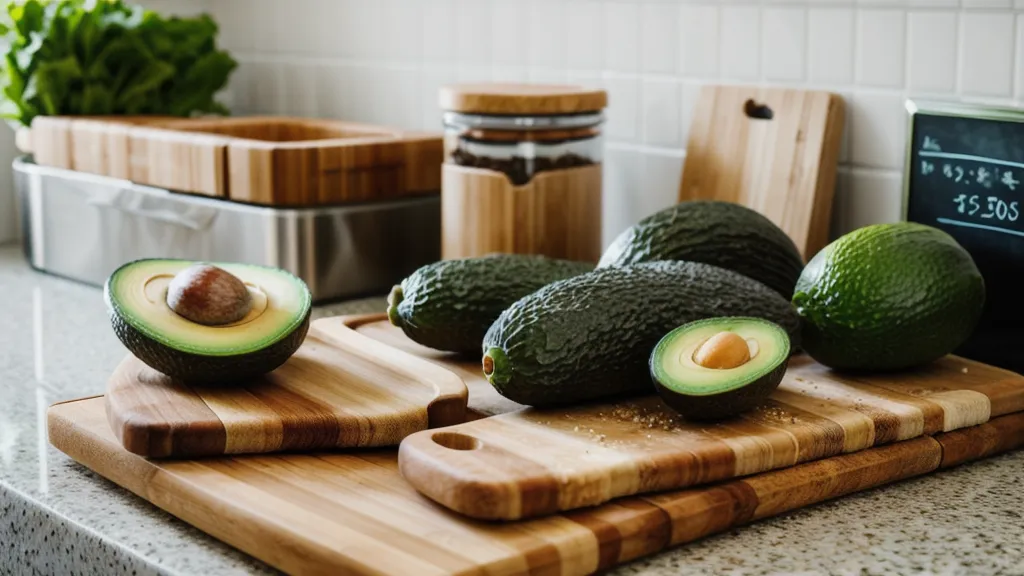
Instant grains got replaced with pearled barley, steel-cut oats, and whatever leafy green was cheapest that week. Giving up my old habits still hurt, and I'm not going to pretend otherwise — I handed an entire warm bakery sourdough loaf across the counter to my husband one Sunday morning rather than trust myself with it, and I wrote about missing fluffy white bread more than I will ever say out loud in my white bread mourning period. Prioritizing fiber and healthy fat over whatever was fastest eventually built a real cushion against the afternoon fog, though it took longer than I wanted.
Noel Takemoto, a college friend I reconnected with years later, lives about twenty minutes away in Bellevue and started meeting me most weekends for a walk through Lincoln Park in West Seattle. Noel is relentlessly methodical, the kind of person who wants to see the actual glucometer numbers on your phone before he'll believe a food swap did anything, not just hear you say you feel better. Those walks ended up mattering almost as much as anything I was eating.
Cutting Carbs Too Hard Backfired on My Insulin Sensitivity
By mid-summer I hit a wall and made the classic rookie mistake: trying to force my morning numbers down faster by cutting carbohydrates almost entirely. No barley, no berries, barely any squash. Just eggs, greens, chicken breast, and black coffee, day after day.
What actually surprised me was this: going that extreme didn't help. My morning readings drifted higher, not lower, while I was eating less carbohydrate than I had in years. My doctor — and I want to be clear that I am not a doctor, so please talk to your own about your own results — explained that swings like that have something to do with insulin resistance and how the body protects itself during prolonged scarcity. I won't pretend to understand the full mechanism well enough to teach it here, and I'd rather point you toward someone who actually studies this than guess at the biology myself. What I took from it instead: my body didn't need extreme restriction. It needed steady, reliable fuel.
Adding Gluco6 to the Morning Lineup
Smart carbohydrates came back into the picture after that, anchored around that same lower-GI range I'd been leaning on, and daytime energy leveled out noticeably. Stress hormones from back-to-back performance review cycles were still nudging my liver to dump glucose into my bloodstream on their own schedule, though, regardless of what I'd eaten that morning.

Food and lunchtime walks were clearly the foundation, but I started wondering whether my cells needed more direct support on top of that. That curiosity is what led me to Gluco6, a capsule formula built around receptor function and glucose uptake rather than stimulants. It slid easily into my existing pill organizer next to my morning multivitamin, which mattered more than I expected: anything that adds a step to an already busy morning tends to get skipped by the second week. Over several weeks of taking it alongside my low-GI meals, the heavy, leaden slump I used to get most afternoons showed up less often.
On days when I wanted something liquid in my tea instead of another capsule, I also tried Sugar Defender. The plant-based dropper format is genuinely convenient, though the flavor is earthy enough that I always mask it in spiced chai or rooibos. For plain grab-and-go mornings, Gluco6's capsule stayed my default. Formulas and pricing change over time, so checking the manufacturer's site directly before you buy either one is worth the extra minute.
What Week Seven Actually Felt Like
Around week seven, I realized a Wednesday had come and gone without that familiar dull weight behind my eyes by mid-morning, the kind of grogginess I'd stopped even noticing because it had become normal. Nothing about that day was supposed to be remarkable, which is exactly why I almost let it pass without registering what had actually changed.
Noel, predictably, wanted the glucometer log before he'd agree that anything had shifted, which is exactly the kind of friend he is. Numbers aside, that unremarkable Wednesday is the moment I actually started believing the whole low-GI, insulin-sensitivity project was working, rather than just hoping it was.
Building a Routine That Forgives Itself
Amara Sekibo, someone I met at a nutrition talk at the Kirkland library and traded notes with afterward, texts me sometimes about cooking low-GI for a household that has zero interest in changing how they eat. Her angle is different from mine: she's solving for a family dinner table, not a solo desk lunch. Talking it through with her is a good reminder that there's no single right way to do any of this.
Office celebrations stopped feeling like a minefield once I stopped treating the whole plan as all-or-nothing, something I broke down further in my corporate potluck survival guide. Managing a prediabetes diagnosis isn't about punishing yourself into submission or building a set of rigid food rules that leave you miserable within a week. It's about paying attention to how your own body handles fuel and backing that up with practical tools, including targeted support like Gluco6, when diet changes alone aren't quite enough.
If there's one thing worth carrying away from all of this, it's that the plan that works is the one that survives an ordinary week, not the one that only holds up on your most disciplined day. Build around that, and the dramatic cheat days stop mattering nearly as much as you think they will.