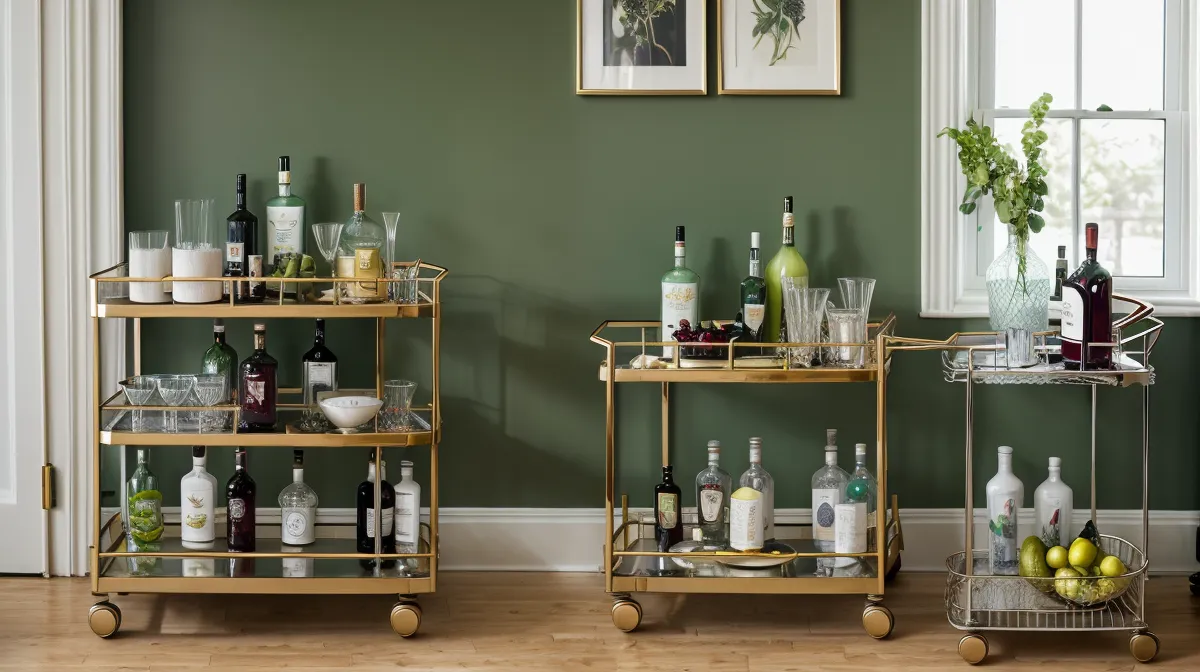
Tonic water carries thirty-two grams of carbohydrate in a twelve-ounce pour — nearly the load of a full can of regular soda, just dressed up in a highball glass. That single number reshaped how I think about happy hour after a routine screening turned my whole relationship with food upside down, and it's the reason I started hunting for low-GI cocktails instead of just skipping the bar altogether. Somewhere between white-knuckling a plain club soda and pretending my numbers don't exist, there's a workable middle ground, and most of it comes down to two questions: how much sugar is riding along with the alcohol, and what's already sitting in your stomach when you drink it.
Before I trusted a spreadsheet over folklore, I spent a full month drinking a cinnamon-and-honey tonic every morning, positive it would out-perform the small plastic squeak of my glucometer cap twisting open before I'd even had coffee. It didn't move a single one of my fasting numbers. That's roughly when I stopped chasing remedies I couldn't verify and started treating my own kitchen, and eventually my own bar order, like something worth actually testing.
The Ethanol Myth Everyone Gets Wrong
Pure ethanol has a glycemic index of zero, according to the University of Sydney's index database, and that number gets treated like a hall pass. It isn't. The spirit itself won't spike you, but almost everything poured around it will. A "fresh-pressed" juice mixer looks wholesome, but that doesn't mean the fructose disappears once you strip out the fiber, and your liver processes that fructose differently than the glucose sitting in a plain grain spirit. A standard pour of distilled spirits is 1.5 ounces, and at that volume the glycemic index of ethanol really does stay close to negligible. The trouble starts the second something sweet gets added to carry it.
Spirits and Sugar-Free Mixers Versus the Sweet Stuff
Soda water beats tonic water every time — same fizz, same ritual of a glass in your hand, none of that thirty-two-gram carbohydrate load.
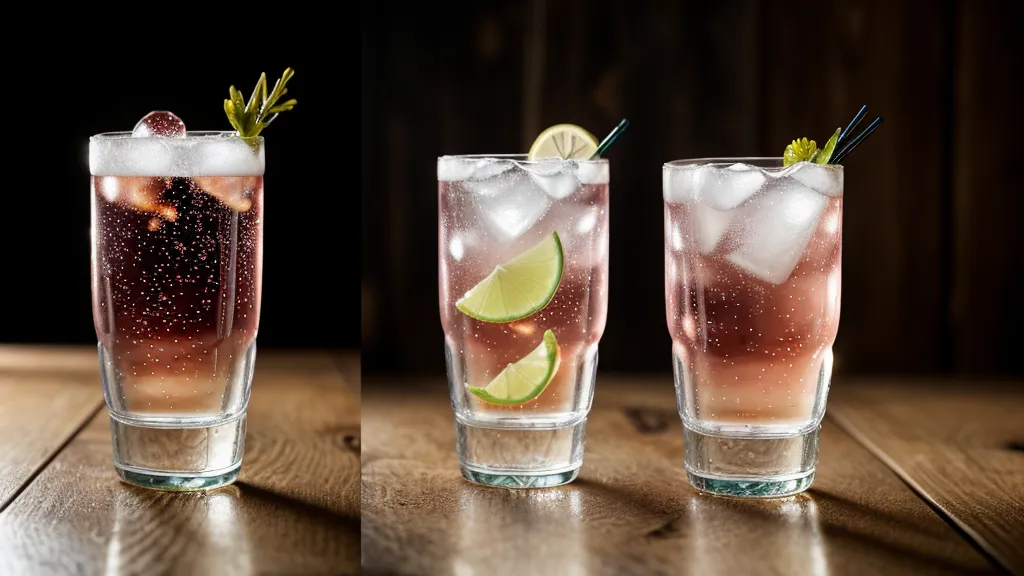
A gin and soda with extra lime looks almost identical to a gin and tonic across a crowded room, and only one of them leaves you doing math in your head before the second round. The same swap logic that works on a dinner plate, trading a starchy side for something lower-impact, works just as well behind a bar, and mixers built around bitters or a splash of citrus give you complexity without sugar doing the heavy lifting. What gets me isn't the sugar you can actually see in a syrup bottle behind the counter; it's the sugar folded quietly into a "skinny" mixer's ingredient list that nobody at the bar ever reads. Most bitters carry a trace of it too, but the pour is so small the glycemic load barely registers.
Noel Takemoto, a college friend of mine, is the one who first got me tracking glycemic load instead of just the index number, because two mixers can share an identical GI and still hit completely differently depending on how much of that carbohydrate actually lands in the glass. Agave nectar is the clearest example: it's marketed as the gentle, natural swap for white sugar, but its glycemic load runs high enough to tax insulin sensitivity in someone whose pancreas is already working overtime.
Why Does Drinking on an Empty Stomach Make Everything Riskier?
Look, an empty-stomach happy hour sounds like a clever way to "save up" carbs for later, and it's actually one of the worse ideas out there. Alcohol tends to hit your system faster with nothing to slow it down, and it can quietly interfere with how your liver handles blood sugar overnight, which isn't something I want to test on myself without food already in my stomach. Skip dinner before drinks and you're setting up what I've started calling a metabolic hangover: not the gin itself, but the eleven-o'clock craving for anything starchy because your body spent the evening asking for a stabilization you never gave it. That craving even has a name, reactive hypoglycemia, a dip that shows up after the initial rise, and it's a lot easier to prevent than to argue with.
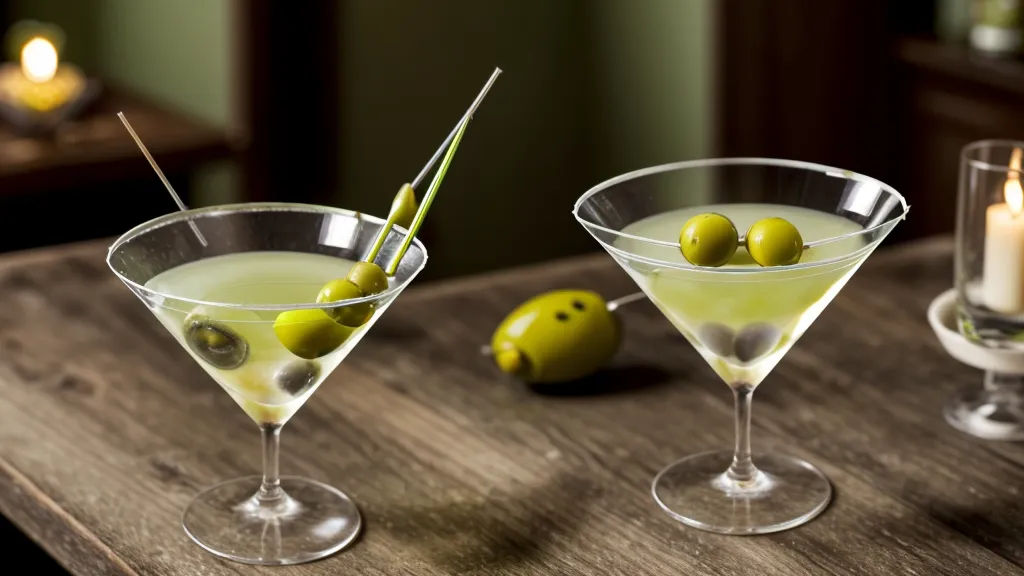
A dry martini with extra olives has become my go-to for exactly this reason. The olives bring salt and fat along for the ride, and because I'm not drinking a sugar bomb to begin with, I don't get the same desperate pull toward the bread basket an hour later. I've also started fitting in a short walk before I know I'm heading out — moving muscle pulls glucose out of the bloodstream on its own, regardless of what's about to go into the glass, which gives me a little more room before the first pour. Amara Sekibo, a woman I met at a nutrition talk at the library, sends me recipes adapted from dishes she grew up with, and one of her spiced bean dips has replaced the bread basket at my house entirely: protein and fiber first, then whatever I'm drinking lands on calmer ground.
If you want the fuller list of what I keep stocked for exactly this reason, I wrote up the low-GI snacks that finally stopped my mid-afternoon crashes, and the same logic about pairing protein with carbs holds true whether it's three in the afternoon at my desk or six at a bar.
It reminds me of something else I learned the hard way, which is that looking healthy on a menu means nothing. I wrote a whole piece about why your 'healthy' smoothie is spiking your glucose, and a "fresh pressed" juice cocktail is really just a glass of liquid sugar once the fiber's been stripped out of it.
Dry Wine Versus Sweet Wine: What Actually Changes in the Glass
Wine splits along a similar line to spirits, just with fermentation doing the sorting instead of a bartender. Yeast eats the sugar in grapes and turns it into alcohol, and in a genuinely dry wine, that process runs until almost none of the original sugar is left. A standard pour of table wine is 5 ounces, according to USDA guidelines, and a very dry Sauvignon Blanc or a brut Champagne usually lands under 2 grams of sugar per glass. A fruity Zinfandel or an off-dry Riesling can carry noticeably more, even though nothing on the label announces it.
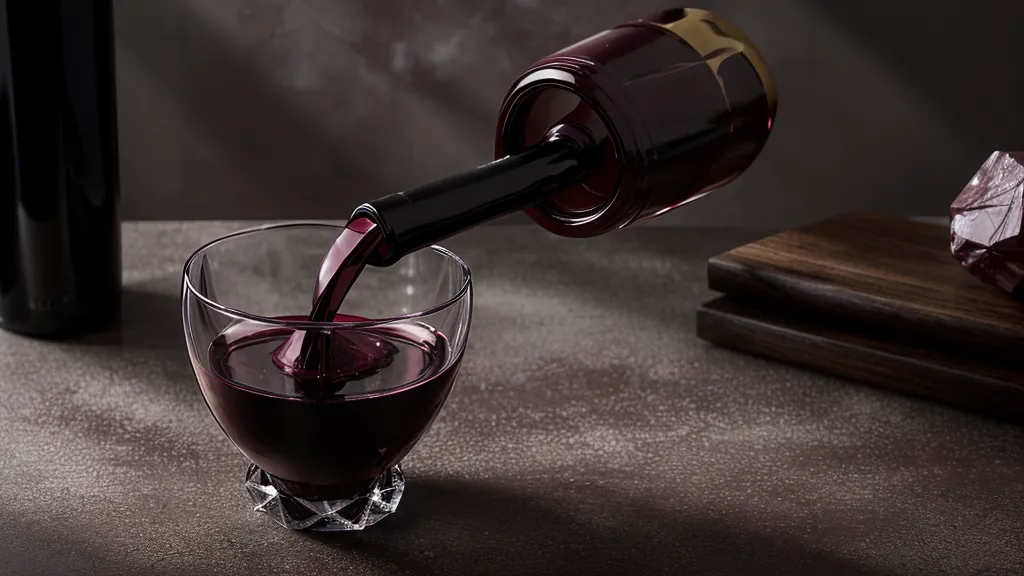
Asking a bartender "is this dry or sweet" feels awkward for about three seconds, and then it stops mattering, because a glucose spike that leaves me foggy for the rest of the night is a worse trade than looking slightly high-maintenance. Heavier reds, a Cabernet or a Malbec, have treated my numbers better than lighter, fruitier pours, for whatever that's worth as a rule of thumb rather than a guarantee. Vinegar-based shrub mixers have started showing up on more menus too, and the tartness comes from acetic acid, the same compound behind the vinegar trick people use before a carb-heavy meal, worth ordering if a bar actually has one on the list.
There's a difference worth knowing between a rough morning caused by what you drank and one caused by nothing you drank at all. I can tell within a day which kind I'm dealing with: order the martini-and-soda combination instead of something sweeter, and a plain Wednesday morning arrives without the low, foggy heaviness that used to sit behind my eyes after a sugary round. Dawn phenomenon is a separate thing entirely, blood sugar climbing on its own early in the morning regardless of the night before, and mixing the two up is an easy way to blame the wrong culprit.
Bar Snacks and Other Buffers
Measuring the pour matters more than people think. A standard drink is that same 1.5 ounces of spirits or 5 ounces of wine, and a heavy-handed bartender who doubles it without asking doubles the impact on your liver's glucose handling too, so I've gotten comfortable asking for a shorter pour when a glass looks generous.
What's sitting next to the glass matters just as much. Fries straight out of the fryer hit differently than the same potatoes cold in a salad the next day, and that gap comes down to how the starch itself changes with heat: cooking swells it and makes it easier to digest quickly, while cooling it back down lets some of it turn into a slower-digesting resistant starch instead. Warm bread behaves the same way a hot fry does. None of that means bread is banned from my life forever; it means I reach for the olives, the nuts, or Amara's bean dip first and let the bread be an afterthought instead of the main event.
It also seems to matter what breakfast looked like six hours earlier. A morning that starts with low glycemic oatmeal with steel cut oats instead of something sweet appears to leave more room in the tank by the time happy hour rolls around, though that's more pattern than proof at this point.
So Which One Should You Order?
Here's how I actually decide, and it usually comes down to what the rest of the evening looks like. Choose the spirits-and-soda route when you already know the food nearby is going to be starchy, passed appetizers, a bread basket, anything fried, because you'll want your pour to be the one predictable variable in the whole equation. Choose the dry wine route when you're planning to nurse a single glass over a long conversation and don't trust yourself to keep track of a second or third pour once the night gets going; one glass of something genuinely dry does less damage than three rounds of anything, no matter how virtuous the first choice looked on paper.
None of this shows up as a dramatic before-and-after. It shows up as a slightly better trend the next time labs get pulled, an A1C average nudged in the right direction instead of the wrong one, which is a quieter kind of reward than I expected but a real one all the same. I still miss ordering whatever sounded good without doing any of this math first, and that part hasn't changed and probably never will. But protecting my metabolic health hasn't meant giving up happy hour. It's meant getting specific about which round actually deserves the seat at the table.