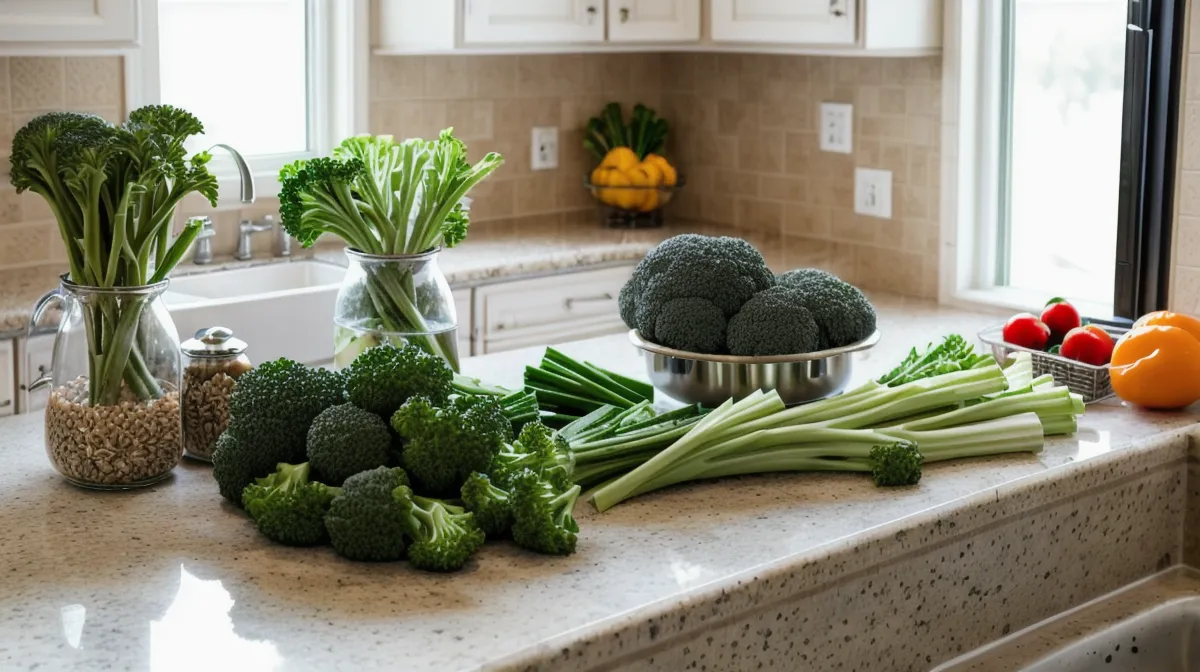
Overcooked broccoli turns the color of a bruised avocado, and it tastes like wet metal shavings. That's the tell I look for now before anything else: not a thermometer, not a clock, just color and give. Most of what gets repeated in low-glycemic cooking circles treats "cooked soft" as a virtue, as if turning a vegetable to mush is somehow gentler on a body that's already struggling with blood sugar. It isn't. It's closer to feeding yourself through a straw.
Here's the misconception I had to unlearn first, and the one I still hear from people newly diagnosed: soft equals safe. Soup-adjacent vegetables feel like penance, like you're doing the responsible thing by boiling every ounce of resistance out of your food. For prediabetes meal prep specifically, that instinct backfires; the fiber and structure you're boiling away are often exactly what's doing the work for your blood sugar.
The Mushy Vegetable Myth That Keeps Showing Up in Blood Sugar Advice
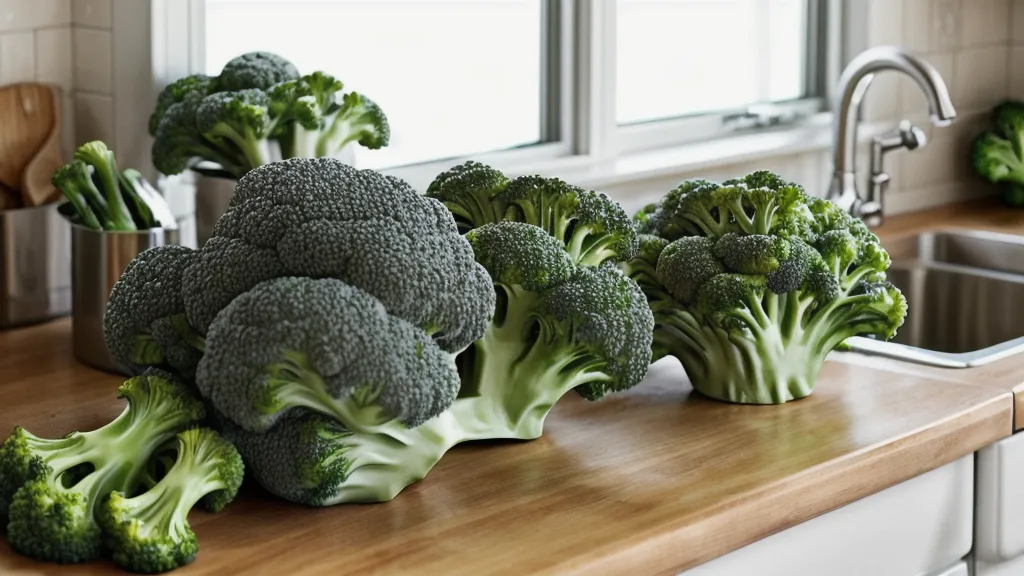
Three years into rebuilding how I eat, I keep running into the same bad advice recycled across wellness pamphlets and breakroom flyers: boil it until it's soft, and you've done your part. I believed that myself for a while. I bought twin-packs of broccoli crowns, chopped them small, and boiled them into submission, assuming smaller and softer meant easier on my system. It tasted like a boiled sock, and an hour later I was back in the pantry anyway, hunting for something with actual substance.
That habit of over-boiling came from somewhere, and it wasn't just squeamishness about raw vegetables. Right after my diagnosis I tried white-knuckling a rigid three-meals-a-day, no-snacks rule, the kind of plan that sounds disciplined on paper. All it did was send me straight to the vending machine most afternoons anyway, hungry and annoyed at myself for being hungry. Rules that ignore how your body actually behaves don't hold, whether we're talking about meal timing or vegetable texture.
The actual idea is simpler than people make it sound, and I'll keep it simple here on purpose: a vegetable that still has some resistance to it (some chew) takes your body longer to get through than one that's already falling apart. That slower process touches something called gastric emptying, which is really just the pace food leaves your stomach, and slower tends to mean less of a sharp glucose spike afterward. I learned a version of the same lesson testing grains, which I wrote about in How to Cook Low Glycemic Quinoa for Better Metabolic Health. Texture isn't cosmetic. It's information your digestive system reads.
Does the Blanching Method Actually Change Anything?
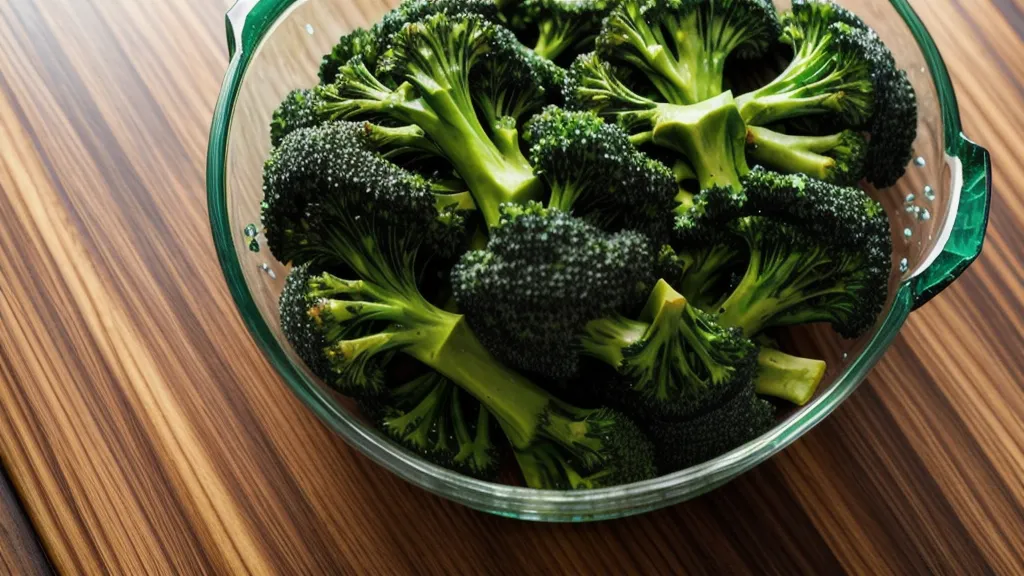
Yes, but only if you respect the two variables that matter: heat and time. Bring a wide pot of well-salted water to a full, rolling boil before the broccoli ever touches it. Drop in uniform floret pieces and start a timer the second they hit the water — two minutes, not three, if you want a true snap left at the stem end. Taste one at the two-minute mark. It should fight back slightly against your teeth before you decide it's done.
Have the ice bath ready before any of that happens, not after — a wide bowl, cold tap water, two trays of ice, parked right next to the burner. The moment those florets look tender-crisp, pull them out with a slotted spoon and dunk them straight in. My neighbor Greta, who treats anything that sounds remotely diet-adjacent with open suspicion, caught me doing this on the back step last weekend and asked if I was running a science fair project instead of making dinner. Fair question. The shock bath isn't drama for its own sake; it stops the cooking cold, which is the whole point when you're trying to land in that narrow window between raw and ruined.
There's a compound in broccoli called sulforaphane that gets some attention in nutrition circles, and it's sensitive to prolonged high heat, which is one more reason a fast blanch beats a slow boil. I won't pretend I fully understand the chemistry behind it. I just know that a shorter cook time keeps more of whatever the vegetable started with, and that's reason enough for me to set a timer instead of eyeballing it.
Keep the Stem: The Part Almost Everyone Throws Away
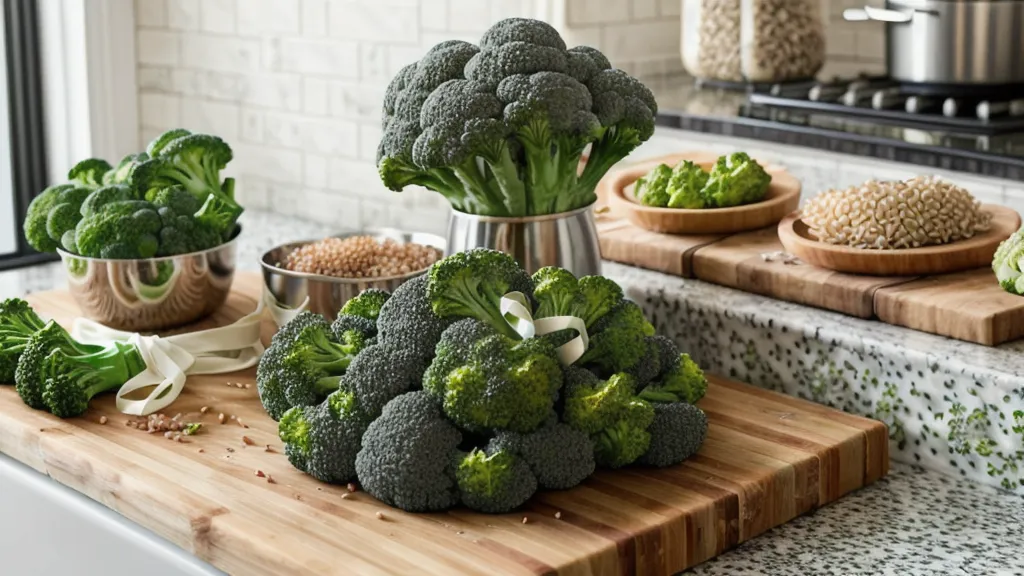
Most people slice the florets off and drop the thick stalk straight into the compost, or boil it until it goes soft and faintly translucent. I did both of those things for months before I noticed the stems behaved completely differently in my body than the florets did, no matter how carefully I'd blanched everything.
Peel the tough outer layer off the stem and shave the pale interior into thin coins or ribbons with a mandoline or a sharp knife, and you end up with something closer to raw celery than cooked vegetable. It holds its structure. It makes you chew. There's a concept called resistant starch that comes up a lot around stems and roots like this one, and the short version is that your body works harder and slower to get through it — I'll leave the deeper explanation to people who've made that their whole focus. What I can tell you firsthand is that a slaw of raw broccoli stems, tossed with vinegar, coarse mustard, and olive oil, keeps me satisfied in a way blanched florets alone never did, and it travels well tucked into the kind of lunchbox I rebuilt after my diagnosis, the one I wrote about in The Seattle Sandwich Pivot: Rebuilding My Lunchbox After a Prediabetes Reality Check.
I noticed the shift mostly in small, almost boring ways. I can walk past the candy dish in the break room now without my brain even flagging it as a decision, which says more about how my meals are holding me over than any single vegetable could. A reader named Corbin, who's emailed me nearly every month since he first argued with me in the comments about cauliflower rice, asked recently whether the stem thing was worth the extra knife work. He's stubborn about changing anything in his routine, but he's never once lied to me about whether something actually worked, so when he wrote back a few weeks later saying he'd quietly kept doing it, that told me more than any survey ever could.
A Weeknight Vegetable Prep Routine That Actually Sticks
Batching is what makes any of this sustainable on a Tuesday when you've spent the day buried in spreadsheets instead of thinking about food. I buy two heads of broccoli at a time, peel the stems into ribbons for raw salads, and give the crowns their two-minute blanch and ice shock before draining them completely dry on a clean towel. Wet broccoli turns sad in the fridge within a day. Dry, shocked broccoli holds its snap in a sealed container for most of a week.
Cold, they get tossed with olive oil, flaky salt, and a little lemon juice straight out of the fridge. Warm, they get thirty seconds in a hot skillet with garlic, just enough to take the chill off without cooking the texture back out of them. They sit well next to sturdier sides too, including the version I worked out in How to Roast Cauliflower for Stable Blood Sugar and Better Texture, and next to whatever protein is already on the plate.
None of this makes me miss white bread any less — a warm slice of sourdough on a Saturday morning still gets to me more than I'd like to admit, and that part probably never fully goes away. But a plate of broccoli that still has some bite left in it, stem ribbons included, does something mush never did: it keeps me satisfied long enough that I stop negotiating with myself by mid-afternoon.
I'll say the obvious part anyway: I'm not a doctor, a dietitian, or anyone with letters after her name that matter here. Everyone's gut responds to fiber and texture differently, so check with your own doctor before you overhaul how you eat based on a blog post about broccoli.