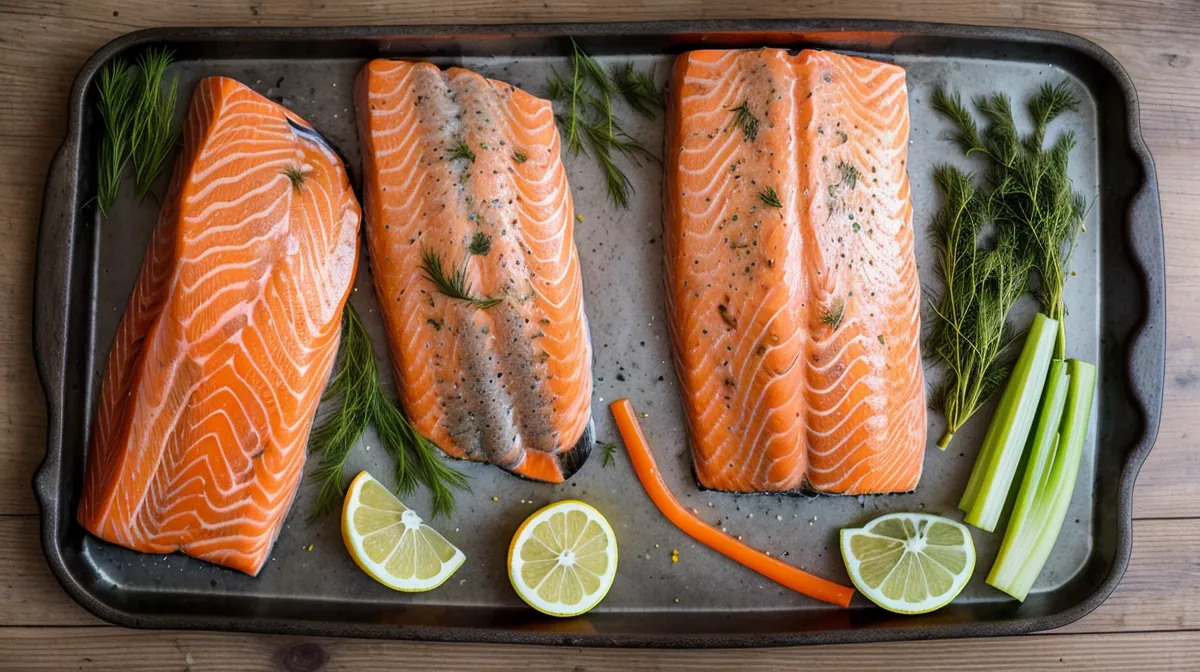
A fillet of salmon carries a glycemic index of zero. No carbs in the flesh means no load to calculate, no spike waiting on the other side of dinner — which is most of what makes it such a solid protein-first, low-glycemic dinner choice, once you actually know how to cook it without drying it into something closer to jerky.
Getting flagged as prediabetic during my own company's wellness screening still stings to think about. I run those programs for a living, and somehow I failed my own test. The first few weeks were denial, plain and simple. Then my follow-up labs came back worse, and panic set in. Somewhere in that panic I signed up for a meal-kit subscription built for people with diabetes, pre-portioned trays shipped straight to the door, very official-looking packaging. It tasted like cardboard, and I canceled before I could talk myself into finishing out the order. I decided I'd rather ruin my own dinners than pay someone else to ruin them for me. Ever since, I've been rebuilding my kitchen around the glycemic index, one failed experiment at a time.
I should say upfront: I have no medical training. Not a doctor, not an endocrinologist, not a dietitian, just a suburban Seattle HR manager trying to keep her blood sugar reasonable without losing her mind over dinner. Please talk to your own doctor about your numbers. What keeps my glucometer quiet might not translate to your body at all.
Why I Stopped Trusting Bottled Marinades
When I first started swapping carb-heavy dinners for lean protein, I bought wild salmon at Costco, dumped bottled teriyaki sauce over it, and baked it, feeling proud of myself. Then I flipped the bottle around and actually read the label: almost twenty grams of added sugar in a single serving. I'd ditched rice bowls and bakery bread, and I still miss real crusty white bread more than I'll ever admit in public, only to lacquer my healthy fish in dessert syrup instead.
Look, salmon itself doesn't need rescuing. It's the cooking that goes wrong. Broil it too long and it turns to chalk; glaze it in honey-dijon anything and you've undone the whole point of choosing fish in the first place. Around week eight of this kitchen experiment, I went back to the most basic technique in the book: poaching. It had a bad reputation in my head too (pale fish floating in sad, flavorless water), but treated right, it's the most forgiving method I've found for a weeknight.
Does the Poaching Liquid Actually Matter?
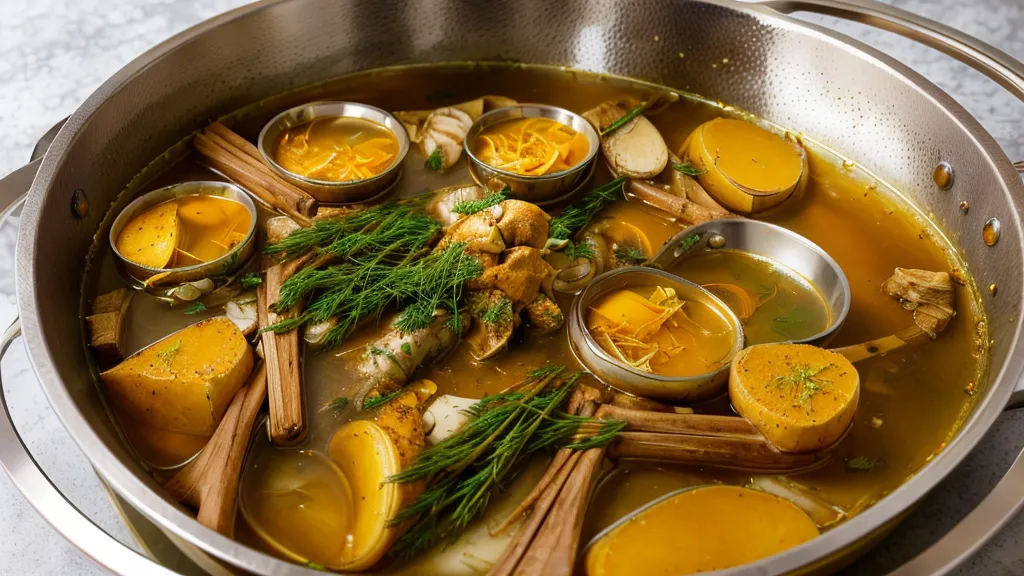
Here's where the standard advice let me down. Nearly every basic recipe says to poach fish in salted water with a squeeze of lemon, so that's what I did at first. It worked, technically (the fish came out tender), but plain water strips the surface fat and leaves the flesh tasting thin, almost rinsed. Swap that water for a mild bone broth or diluted coconut milk, and the fish turns silky instead of washed-out. Pairing a little fat with your protein like that also tends to make a meal digest more slowly and steadily, which is its own rabbit hole I won't get into here: just know it's part of why this version of poaching feels so much calmer on my system than plain water ever did.
A woman I met at a nutrition talk at the Kirkland library, Amara Sekibo, once sent me a West African fish stew recipe built around a deeply seasoned broth. I never made her dish exactly as written, but it's a big part of why I stopped reaching for plain water at all.
The Temperature Window That Saves the Fish
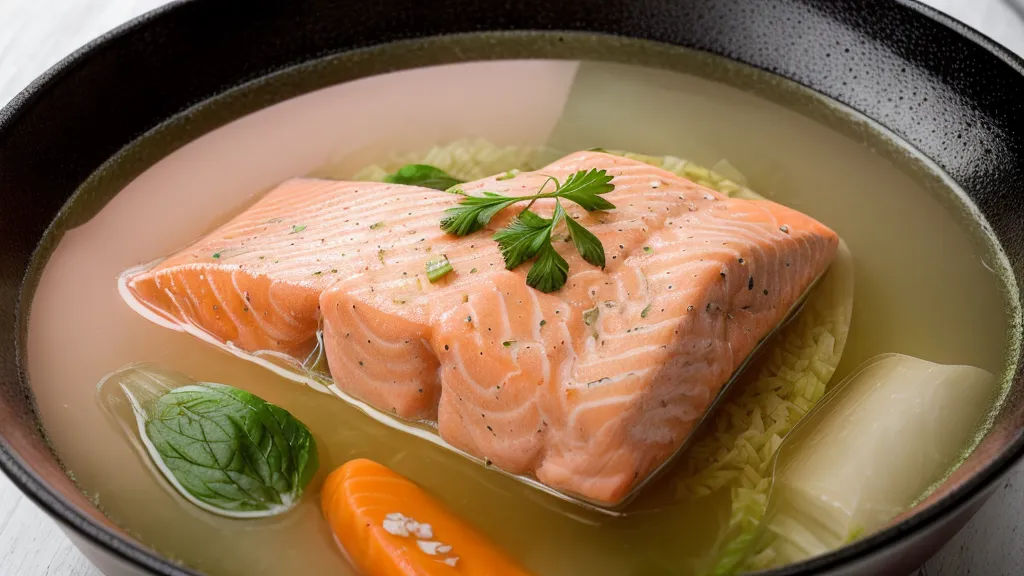
Salmon proteins are fragile. Drop a fillet into water at a full boil and the muscle fibers seize up instantly, squeezing out moisture along with that unappealing white curd called albumin. Staring at a dry, gray fillet on my plate, furious that eating for my blood sugar felt like chewing cardboard again, was a low point of that whole summer.
The fix is keeping the poaching liquid between 160°F and 180°F. At that range the liquid isn't boiling; it's barely shivering, with the occasional pinprick bubble rising while the surface stays calm. The USDA guideline for finfish is an internal temperature of 145°F, and a digital meat thermometer inserted horizontally into the thickest part of the fillet gets you there without guessing. What you get is velvety, moist flakes with zero rubbery chew.
Building the Broth, Step by Step
My version now takes about twenty minutes from fridge to plate. I pour roughly two inches of liquid into a wide, shallow skillet, a fifty-fifty mix of unsalted chicken bone broth and water most nights, or diluted unsweetened coconut milk when I want something richer. Thick lemon slices, a few smashed garlic cloves, whole black peppercorns, and several sprigs of fresh dill go in next. I still buy the lemons and dill at Trader Joe's, and there's a particular crackle to flattening those thin paper sacks against the counter the second I'm home; it's become my unofficial starting bell for cooking.
Once the liquid comes to a gentle bubble over medium heat, I dial the burner back until it settles into that 160°F to 180°F range, then lower the salmon in skin-side down. The liquid should reach about halfway to two-thirds up the sides of the fish, or just barely cover it. Cover the skillet, leave it undisturbed on low heat for roughly eight to twelve minutes depending on thickness, and check with the thermometer until it reads 145°F. Lifting the lid partway through, with tiny bubbles breaking around floating lemon slices and dill steam filling the kitchen, is about as close as cooking gets to calming instead of stressful. No smoke alarm, no splattering oil, no charred pan to scrub afterward.
Plating This for a Real Protein-First, Low-Glycemic Dinner
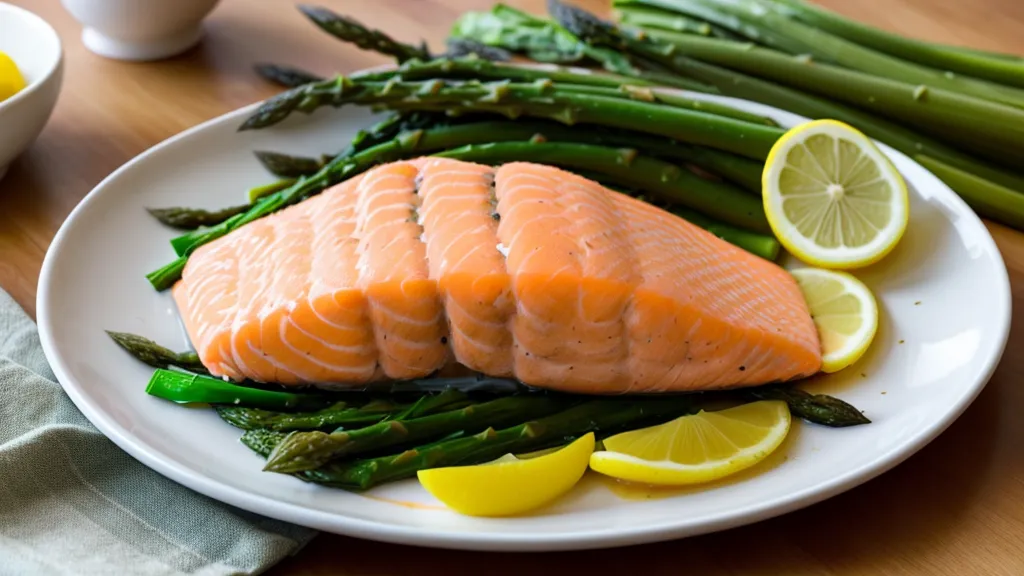
Since the fish itself sits at zero, whatever goes next to it on the plate decides the rest of the story. Most nights I serve the fillet straight over baby spinach (the heat wilts the leaves on contact), next to roasted asparagus or steamed green beans with olive oil and flaky salt. My friend Noel Takemoto, who got me tracking glycemic load instead of just the index number, likes to point out that salmon is almost a cheat code here: zero carbs means there's no load to weigh against anything else on the plate.
On nights when I want a little starch, I'll pair half a fillet with legumes instead of grains. If you like keeping a satisfying crunch in your week without touching processed chips, How to Season Roasted Chickpeas for a Crunchy Low Glycemic Snack is worth a look.
This wasn't the first time a swap like this paid off in a number. Months earlier, after trading white rice for cauliflower rice one random weeknight, I watched my glucometer settle at 112 where it usually sat up around 156. That reading is what turned this from a diet into something closer to a method. The night I checked my blood sugar two hours after a poached salmon dinner and it had barely moved off my baseline, it felt like the same thing happening all over again.
If there's one thing I'd tell someone newly diagnosed, it's this: the ingredient only gets you halfway there. How you cook it decides where the rest of your evening goes: whether you're white-knuckling through a bland, sad piece of fish or actually enjoying dinner while your pancreas catches a break.